Wholesale and private-label sunglasses made in Türkiye
We manufacture adult sunglasses in Istanbul. Lens options on quoted models can include tinted, gradient, mirror and polarized filters; the filter category is confirmed per model under EN ISO 12312-1 and marked on the product. Children's sunglasses are a separate range.
Sunglasses, key facts
- Frame materials
- Injection-molded plastic, TR90-type polyamide and metal
- Lens types
- Tinted, gradient, polarized and mirror-coated
- Lens materials
- TAC for polarized lenses, polycarbonate and nylon, chosen per model and market
- Filter categories offered
- Category 2 and category 3 under EN ISO 12312-1; other categories on request
- Size range in this collection
- Lens size 50 to 64 mm, distance between lenses 14 to 21 mm, temple length 125 to 145 mm
- EU status
- Category I personal protective equipment under Regulation (EU) 2016/425, with CE marking
- US status
- Impact-resistant lenses required under 21 CFR 801.410
- Customs code
- HS 9004.10, sunglasses
- Order terms
- Minimum quantities and lead times are listed on our services page
Sunglasses models
Wholesale adult sunglasses from Safira Eyewear include model 2002 and models 6500 through 6518 with filter lenses and temple marking. Children's sunglasses are manufactured in smaller boxing sizes and are listed under Children's Eyewear.
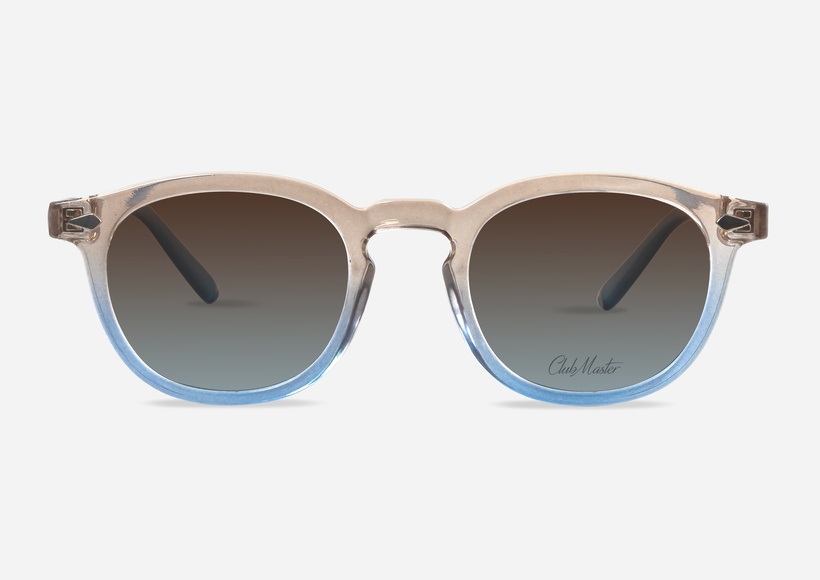
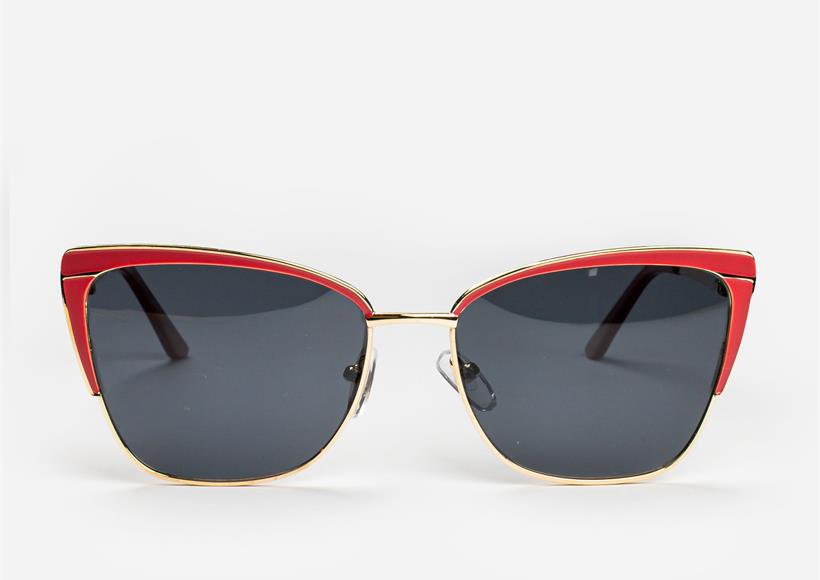
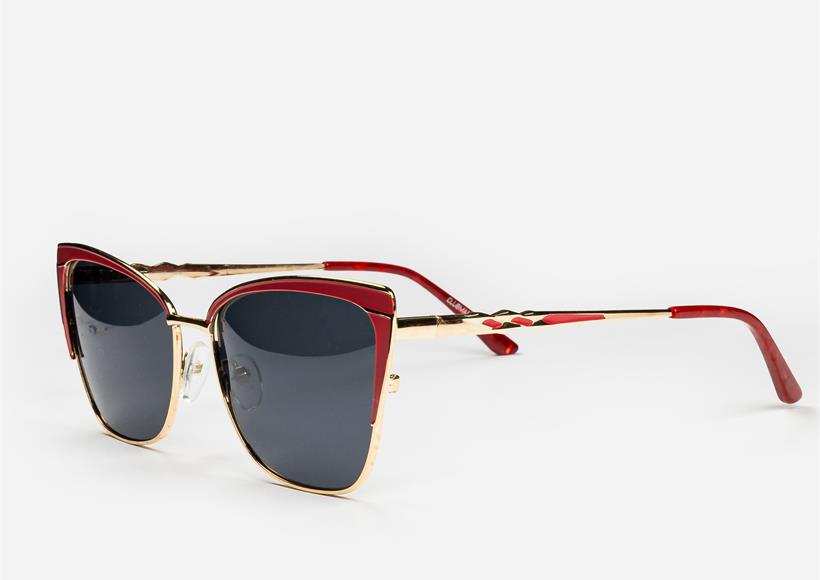
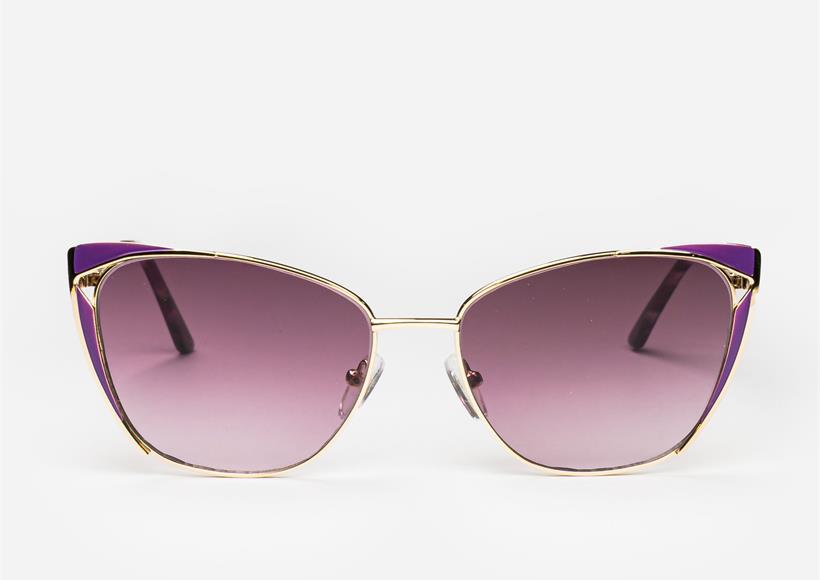
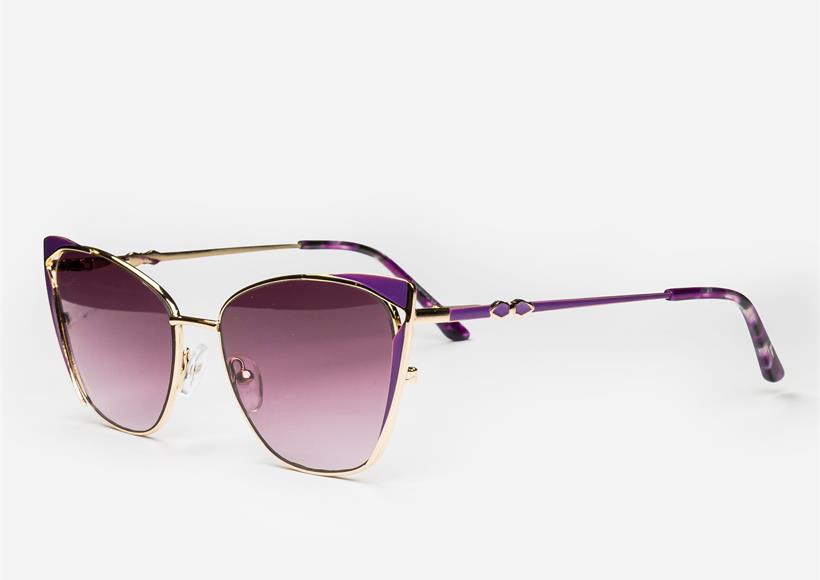
Each card is one model and color. Titles match the model and color codes on purchase orders and sample requests. Front and side views support review of shape, color and hinge type before bulk production.
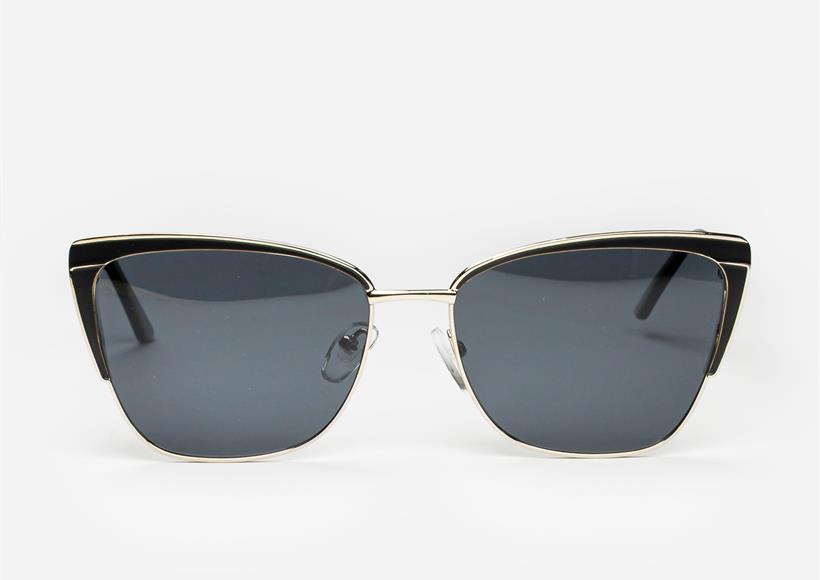
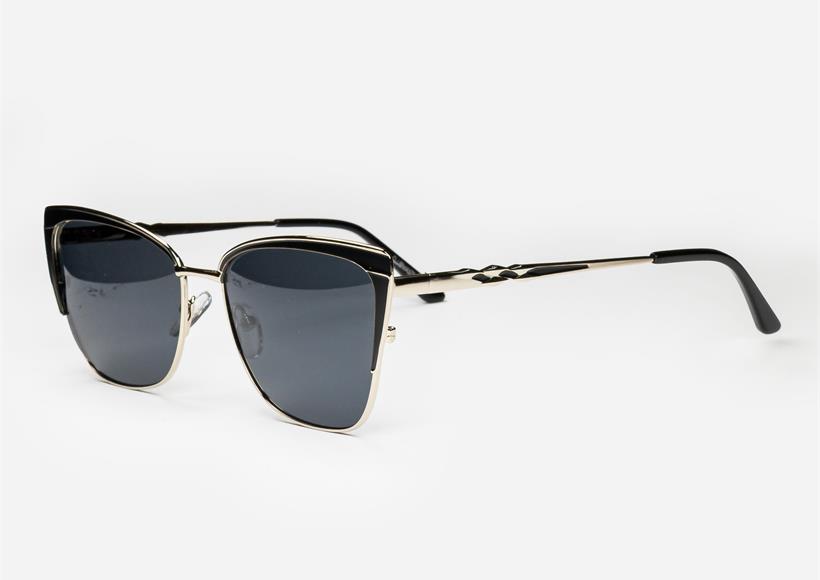
Sunglasses 6500, Color 01
Sunglasses 6500, Color 05
Sunglasses 6502, Color 03
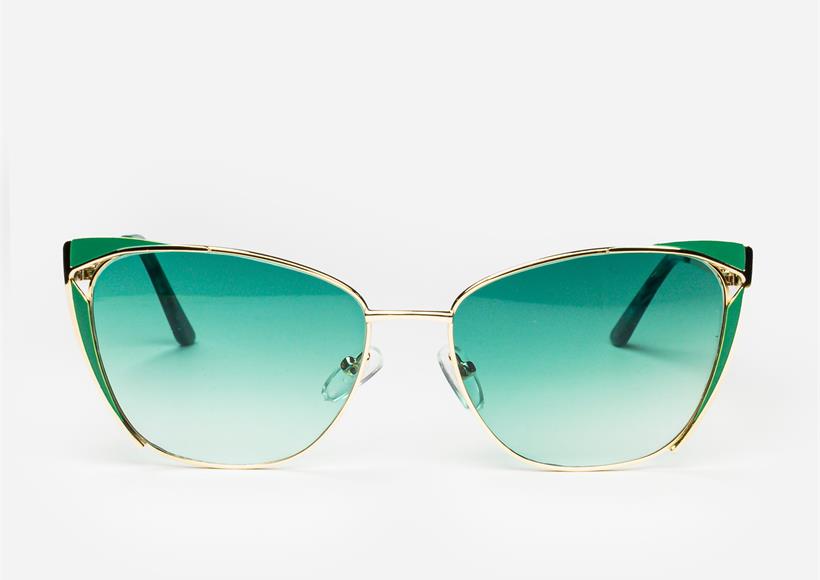
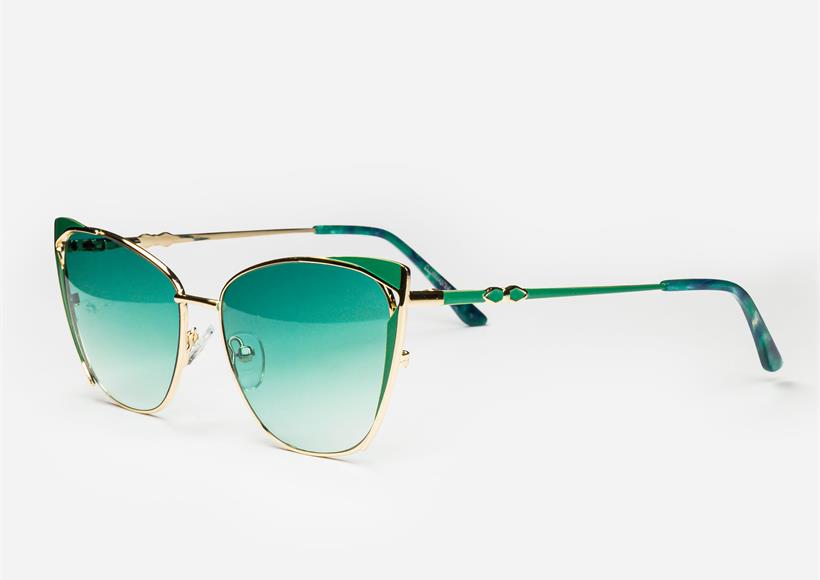
Sunglasses 6502, Color 05
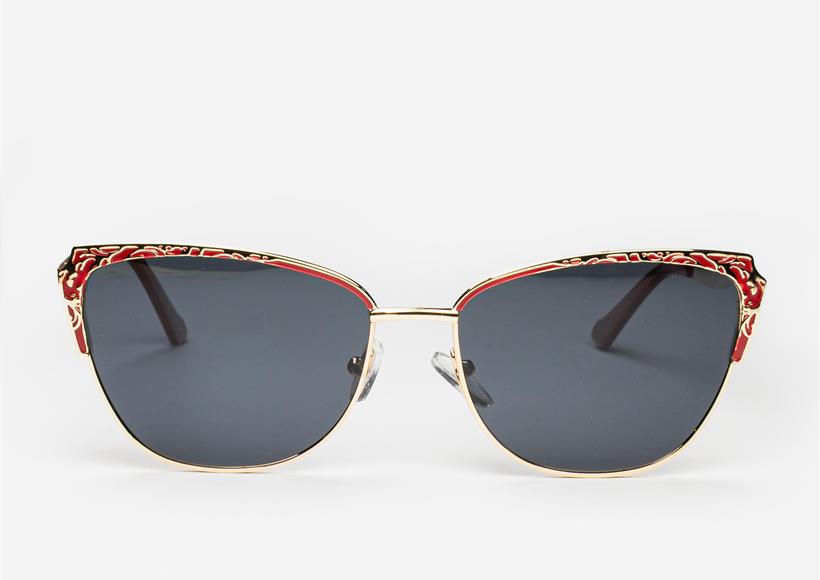
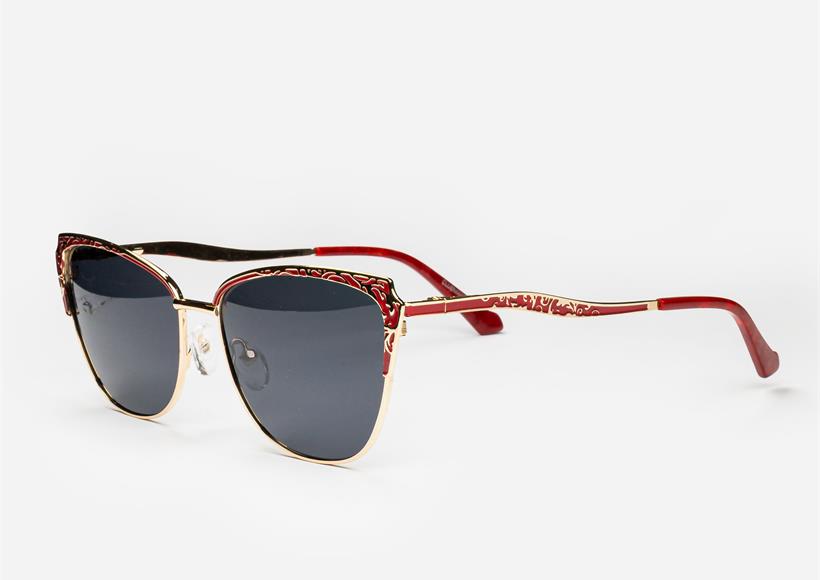
Sunglasses 6503, Color 04
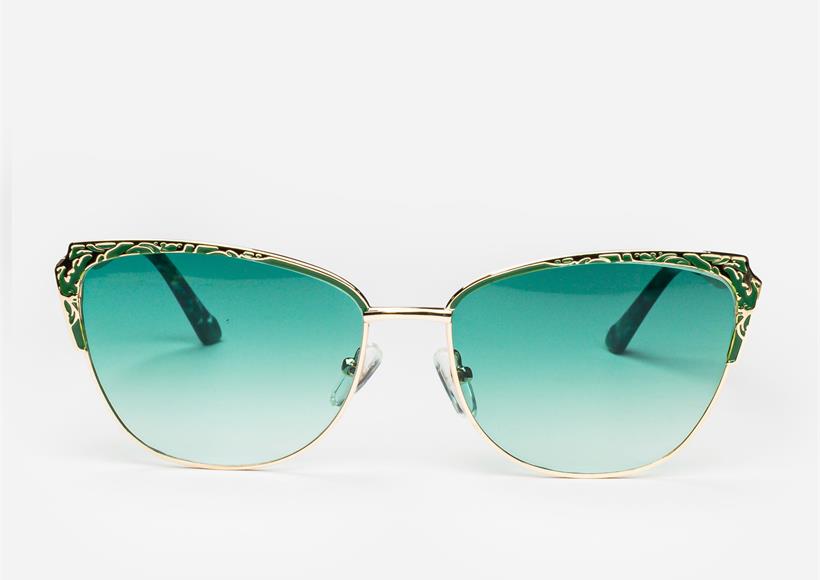
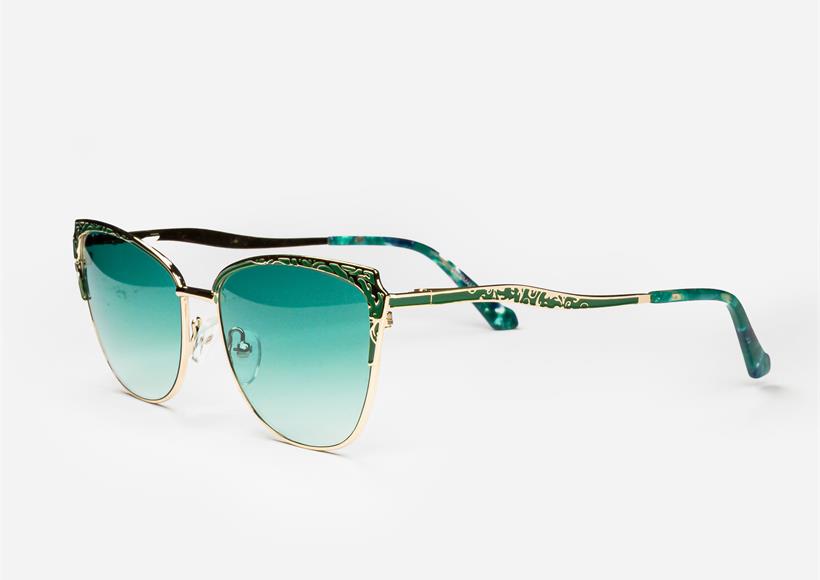
Sunglasses 6503, Color 05
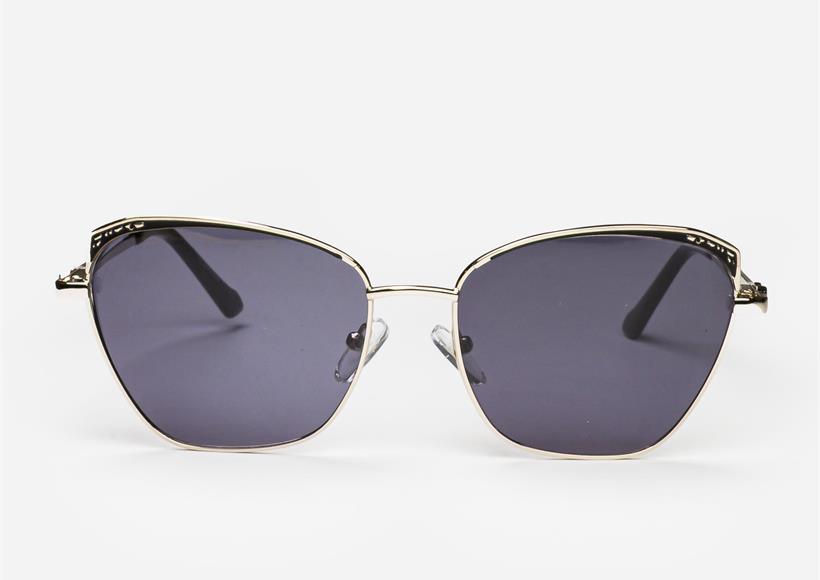
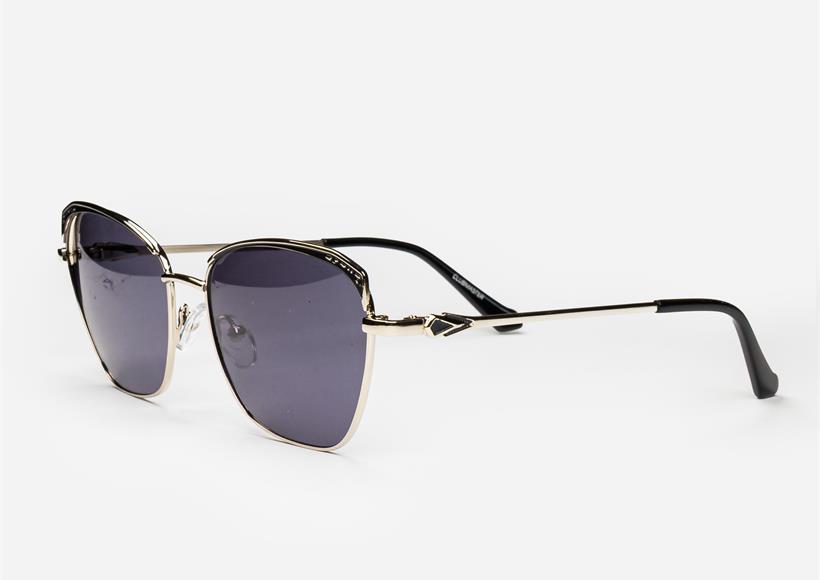
Sunglasses 6509, Color 01
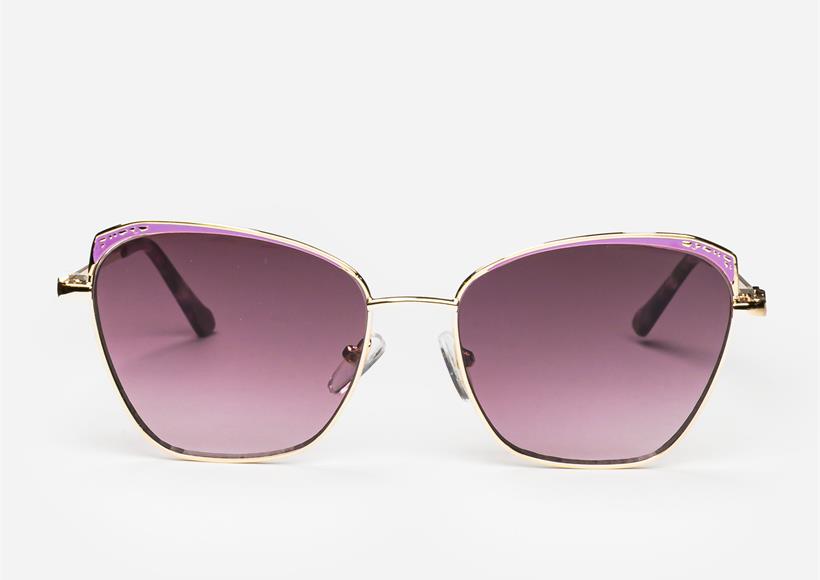
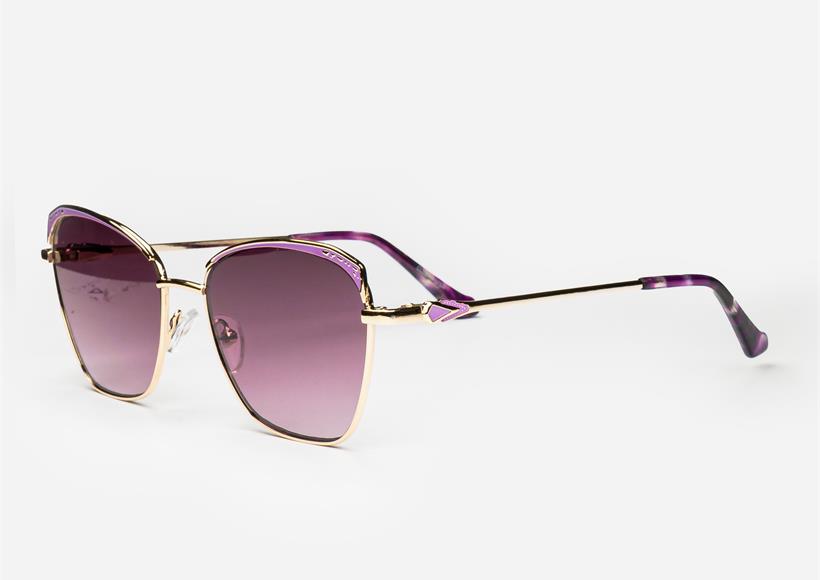
Sunglasses 6509, Color 03
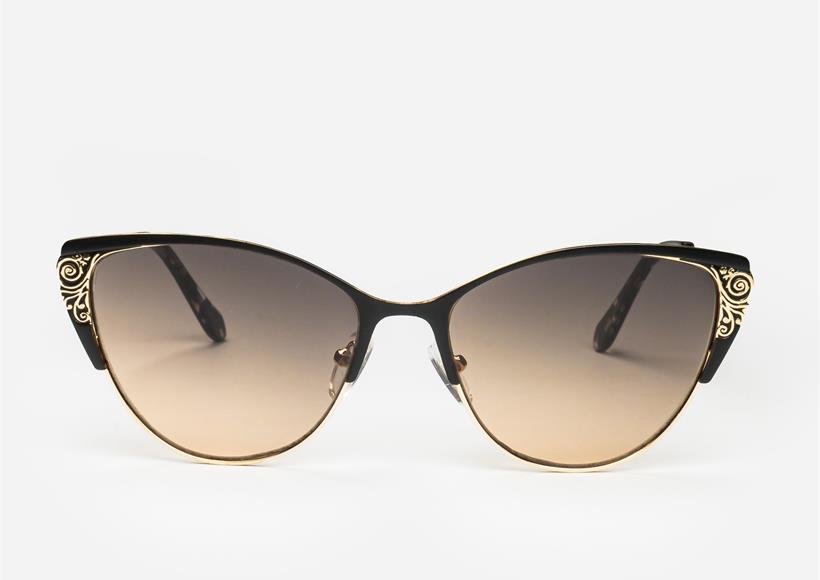
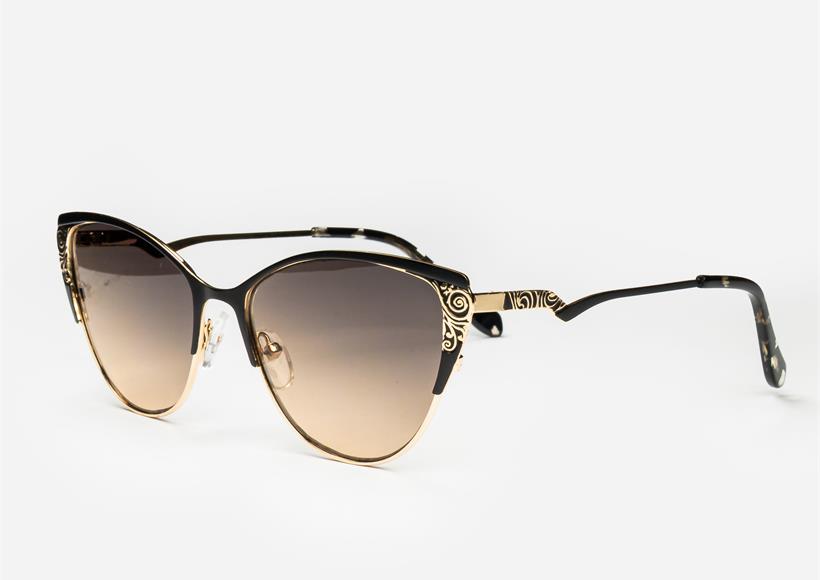
Sunglasses 6518, Color 01
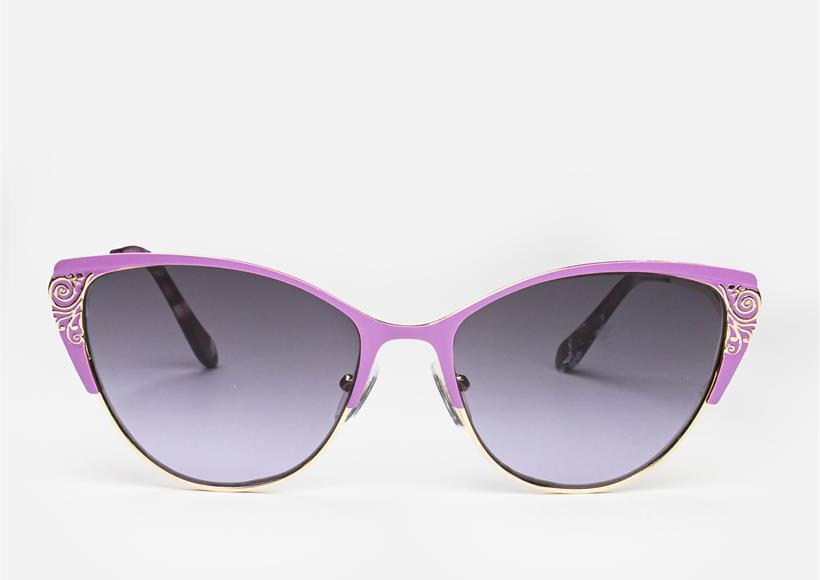
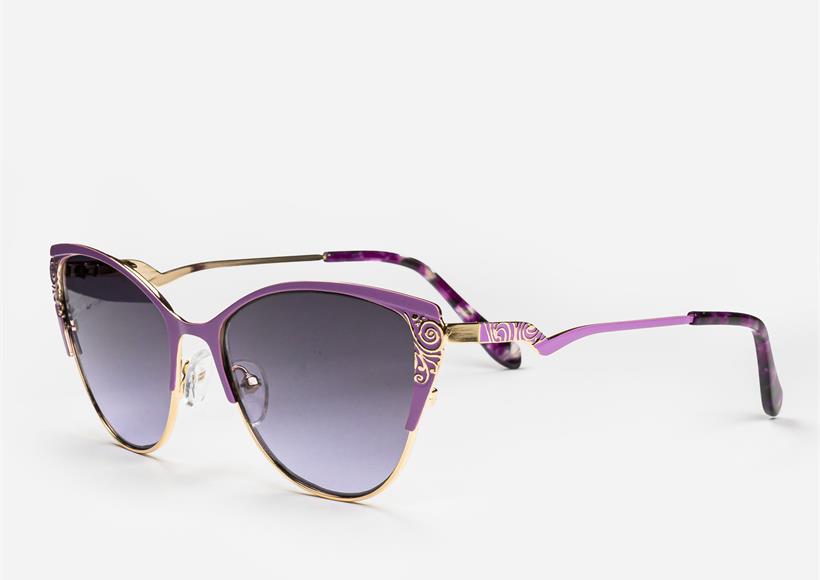
Sunglasses 6518, Color 03
Sunglasses catalog size
Most lens colors can be combined with most frame shapes in the catalog. Filter category, lens material and temple marking are confirmed on the order specification so every pair meets EN ISO 12312-1 for the destination market.
- 320 sunglasses models in our catalog
- 40 standard lens colors
Sunglass lens materials compared
The lens material affects weight, impact resistance, optical feel and cost. We select it per model and destination market.
| Material | Characteristics | Typical use |
|---|---|---|
| TAC (cellulose triacetate) | Thin and light; widely used as the base for polarized lenses; cost-effective | Fashion and everyday polarized sunglasses |
| Polycarbonate (PC) | Light and highly impact resistant; absorbs UV by itself; needs a hard coat for scratch resistance | Sport, outdoor and children's sunglasses |
| Nylon (polyamide) | Light, with good optical quality and flexibility | Mid-range fashion and sport sunglasses |
| CR-39 (allyl diglycol carbonate) | Good optical clarity and even tinting; less impact resistant than polycarbonate | Fashion sunglasses where optics are the priority |
Lens types and colors
Lens type and color shape both the look and the end use of a model. Grey, brown and green tints, polarized options and mirror coatings are combined with the filter category required for the destination market under EN ISO 12312-1.
Solid tint
Even darkness across the lens. The category is set by how much visible light passes through.
Gradient
Darker at the top and lighter at the bottom, shielding overhead sun while keeping lower vision brighter.
Polarized
Reduces glare reflected from water, wet roads and car hoods. Some LCD screens may look darker at certain angles.
Mirror-coated
A reflective outer coating over a tinted or polarized lens; the category is set by the lens underneath.
Grey and brown
Grey keeps colors neutral; brown increases contrast. Green sits between the two.
Fashion colors
Blue, rose and other colors, usually in lighter categories for fashion and city wear.
Sun filter categories
EN ISO 12312-1 groups sun filters into five categories by luminous transmittance, the share of visible light that passes through the lens.
| Category | Luminous transmittance | Glare reduction | Typical conditions |
|---|---|---|---|
| 0 | 80 to 100% | Very limited | Fashion and indoor use |
| 1 | 43 to 80% | Limited | Overcast or low sun |
| 2 | 18 to 43% | Good | Moderate sunlight |
| 3 | 8 to 18% | High | Bright sunlight |
| 4 | 3 to 8% | Maximum | Extreme glare at sea, on snow or at altitude; not suitable for driving or road use |
UV protection and lens darkness
The filter category describes how dark a lens is, not how much ultraviolet radiation it blocks. A light lens can block UV fully, and a dark lens without UV absorbers can let UV through. UV protection comes from the lens material and UV absorbers, and is tested separately.
"UV400" is a common market term for lenses that block ultraviolet radiation up to a wavelength of 400 nanometers, covering UVA and UVB. It is not a standard in itself, so the claim should be supported by a test report to the standard of the destination market.
Polarization is also separate from UV protection. A polarized lens reduces reflected glare, but its UV performance still has to be confirmed on the test report.
Market requirements for sunglasses
Requirements differ by destination market. This overview helps importers plan testing and labeling; confirm the current rules with your test laboratory before launch.
| Market | Legal framework | Key standard | Points to note |
|---|---|---|---|
| European Union | PPE Regulation (EU) 2016/425, Category I; CE marking | EN ISO 12312-1 | Filter category marking; information for users in local languages |
| United States | Non-prescription sunglasses are Class I medical devices regulated by the FDA; 21 CFR 801.410 impact resistance | ANSI Z80.3 | Drop-ball test: 5/8-inch steel ball dropped 50 inches onto the lens, sampled per production batch |
| United Kingdom | PPE legislation as applicable in Great Britain; UKCA or CE marking as currently accepted | BS EN ISO 12312-1 | Check current marking rules before shipment |
| Australia and New Zealand | Consumer product safety rules for sunglasses | AS/NZS 1067.1 | Lens category and labeling to the national standard |
Size overview of our sunglasses models
All sizes are in millimeters in the boxing system of ISO 8624: lens size, distance between lenses and temple length. Temple markings follow ISO 12870 so retailers and opticians can read the size without a separate specification sheet.
| Model | Lens size | Distance between lenses | Temple length | Lens |
|---|---|---|---|---|
| 2002 | 55 | 17 | 140 | Polycarbonate, category 3 |
Marking, labeling and user information
Points to plan for when preparing sunglasses packaging for the EU and other markets. CE marking, filter category, UV claim and user information must match the PPE documentation; we confirm the artwork before printing labels and pouches.
Filter category
The category number shown on the frame or packaging, as EN ISO 12312-1 requires.
Driving information
Category 4 must be labeled as not suitable for driving or road use.
Manufacturer identification
Name and address of the company placing the product on the market.
Conformity marking
CE marking for the EU, plus the marking required in each other destination market.
Model identification
Model and color code inside the temple for traceability and reorders.
Instructions for use
Care, cleaning and storage advice in the languages of the destination market.
Production
How we make sunglasses
Plastic and TR90-type sunglasses pass through the full production line in our Istanbul factory. All stages are shown on our manufacturing page.
Injection molding
Fronts and temples are molded in steel molds.
Finishing and decoration
Vibration and sanding, then painting, UV printing or flat color.
Assembly and varnishing
Hinges and temples are fitted, frames are checked, washed and varnished.
Sun lens fitting
Filter lenses of the specified type, color and category are fitted.
Pad printing
Logo, model, color code and category marking are printed.
Final inspection and packaging
Each pair is checked and packed with case, cloth and labels to the order.
Documents and checks for sunglasses orders
Sunglasses test reports depend on the destination market. We confirm the market before production starts so filter category, impact resistance and labeling follow EN ISO 12312-1, the EU PPE Regulation or 21 CFR 801.410 as required.
| Item | What it covers |
|---|---|
| Lens specification | Lens material, type, color, filter category and polarization, so repeat orders match |
| Test report for the destination market | EN ISO 12312-1 for the EU, ANSI Z80.3 for the US, AS/NZS 1067.1 for Australia and New Zealand |
| Impact test records (US) | Drop-ball results per production batch under 21 CFR 801.410 |
| UV claim evidence | Any "UV400" or "100% UV" claim backed by measured transmittance data |
| Approved reference sample | Becomes the standard for lens color, frame color, fit and print |
| Labeling plan | Category marking, conformity marking and user information for each market |
| Inspection plan | Sampling per ISO 2859-1 at an AQL level agreed with the buyer |
| Export documents | Commercial invoice, packing list, certificate of origin, and an A.TR movement certificate for EU shipments |
Private-label options for sunglasses
-
Lens choice
Lens type, color and category selected for your market and price position.
-
Frame colors and prints
Solid, transparent and two-tone frames, or UV-printed patterns.
-
Temple logo
Your brand name pad-printed on the temple, with category marking.
-
Branded packaging
Pouches, cases and cloths from our accessories range.
Sunglasses questions
How are sunglasses regulated in the EU?
Sunglasses for general use are Category I personal protective equipment under Regulation (EU) 2016/425. EN ISO 12312-1 is the harmonized standard for their transmittance, UV protection and filter category marking.
Which filter category is suitable for driving?
Categories 0 to 3 can be used for daytime driving if they meet the standard's driving requirements. Category 4 is not suitable for driving or road use.
What does UV400 mean?
UV400 is a common market term for lenses that block ultraviolet radiation up to a wavelength of 400 nanometers, covering UVA and UVB. It is not a standard in itself, so the claim should be supported by a test report to the standard of the destination market.
Does a darker lens give more UV protection?
No. The filter category describes how much visible light passes through. UV protection depends on the lens material and UV absorbers, and is tested separately.
Do sunglasses for the US need a drop-ball test?
Yes. Under 21 CFR 801.410, sunglass lenses must be impact resistant. The reference test drops a 5/8-inch steel ball weighing about 0.56 ounce from 50 inches onto the lens. For plastic non-prescription lenses, a statistically significant sample from each production batch is tested, and an importer may have the tests done in the country of origin.
Is polarization the same as UV protection?
No. A polarising filter reduces glare reflected from horizontal surfaces such as water and wet roads. UV protection is a separate property that must be confirmed on the test report.
Which lens material do you specify for each program?
We specify the lens material per model and market. TAC is a light, cost-effective base for polarized lenses. Polycarbonate is light, impact resistant and absorbs UV by itself for sport and children's programs. Nylon lenses sit in the mid range.
Which HS code applies to sunglasses?
Sunglasses are classified under HS subheading 9004.10. National tariff lines add further digits, so confirm the full code with your customs broker.
Related categories
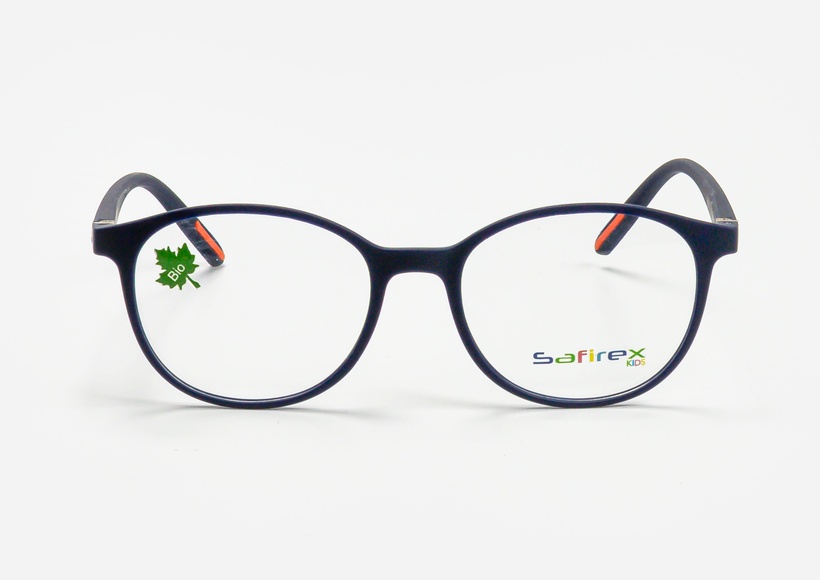
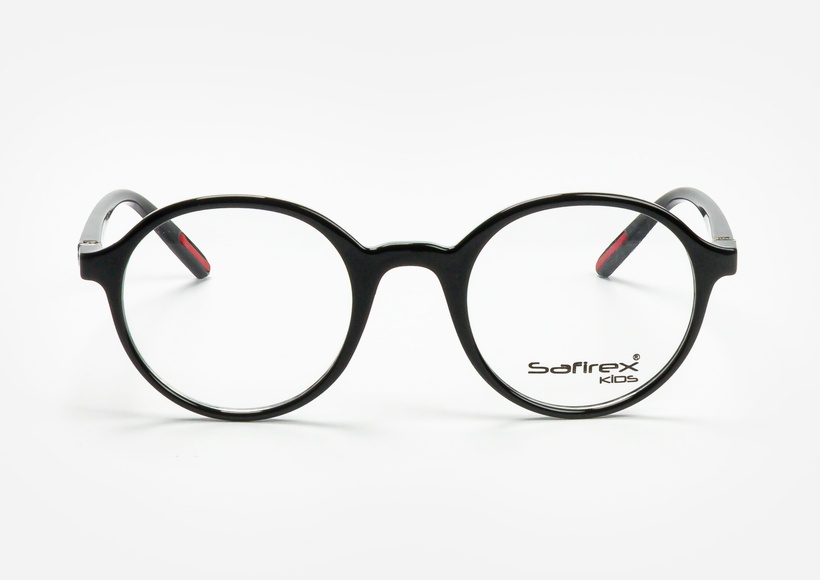
Request sunglasses samples or a quotation
Send the model codes, frame colors, lens options, quantities and destination market. We reply with a specification and quotation.