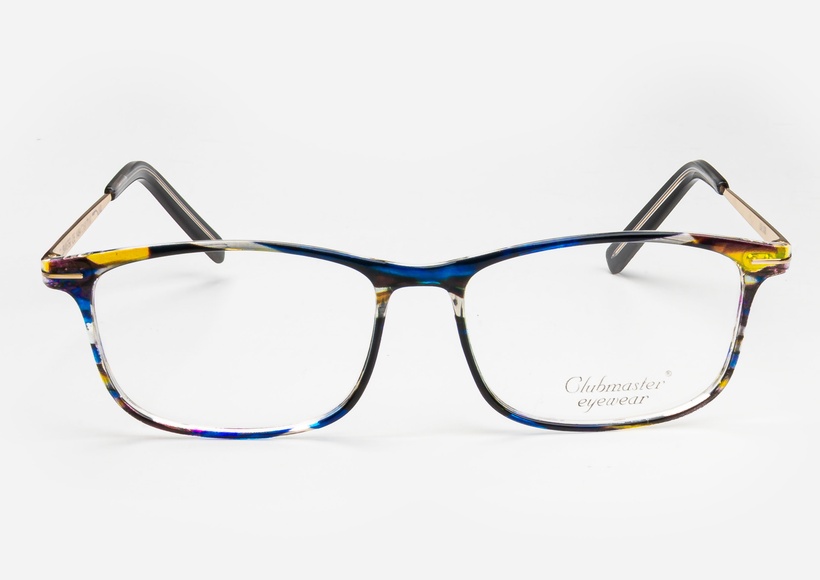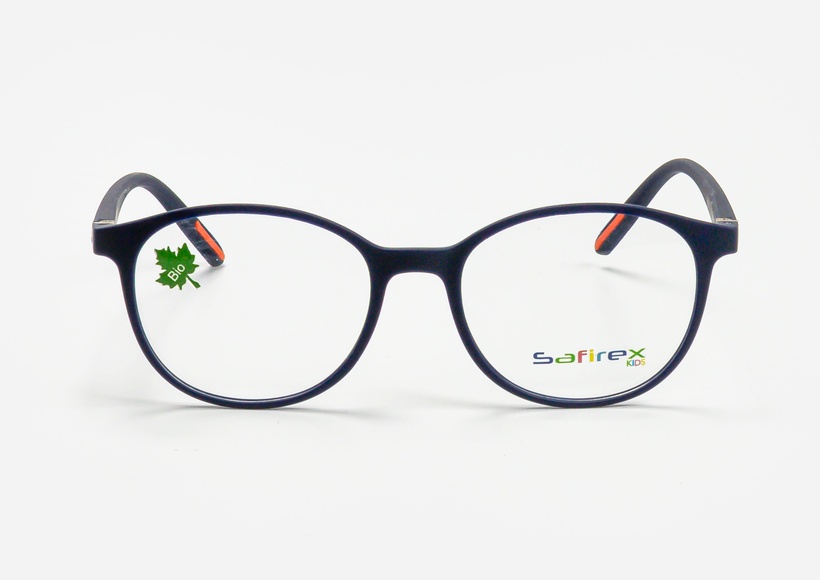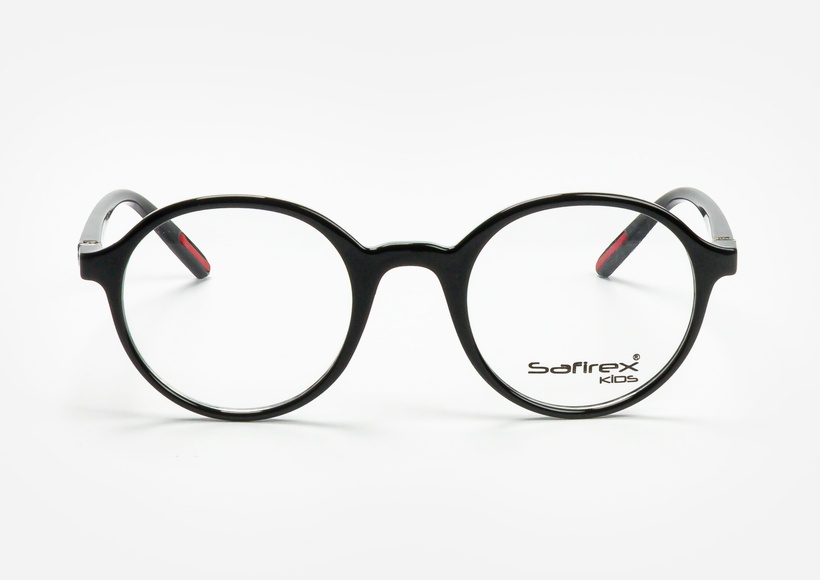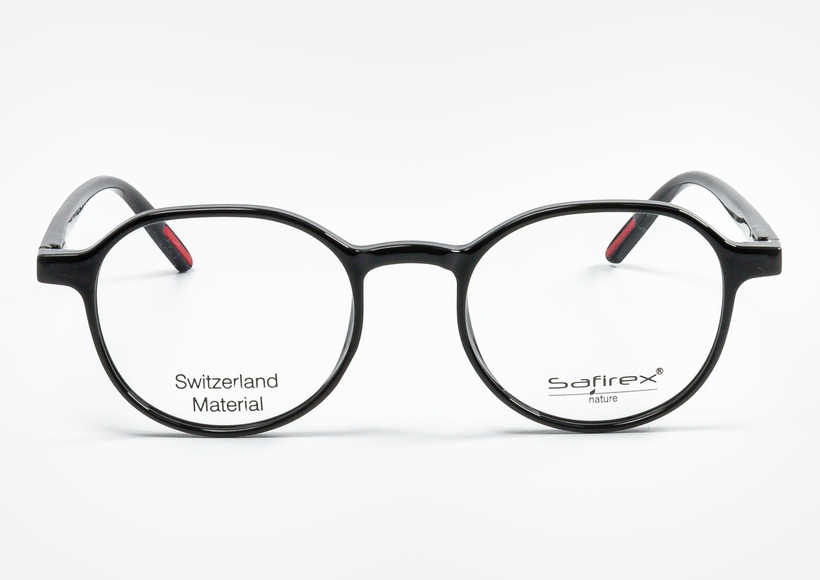
On this page, memory means the frame returns toward its shape after it is flexed. It does not mean a foam cushion. The catalog name includes "memory foam"; the polymer grade, and whether a temple is nickel-titanium, is confirmed per model. TR90-type polyamide, PEI and nickel-titanium are material families, not a claim that every model uses all three.
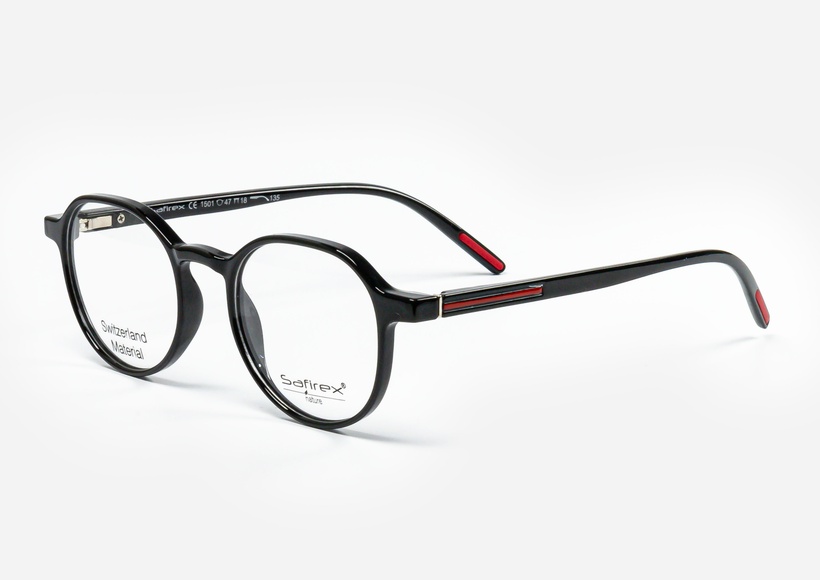
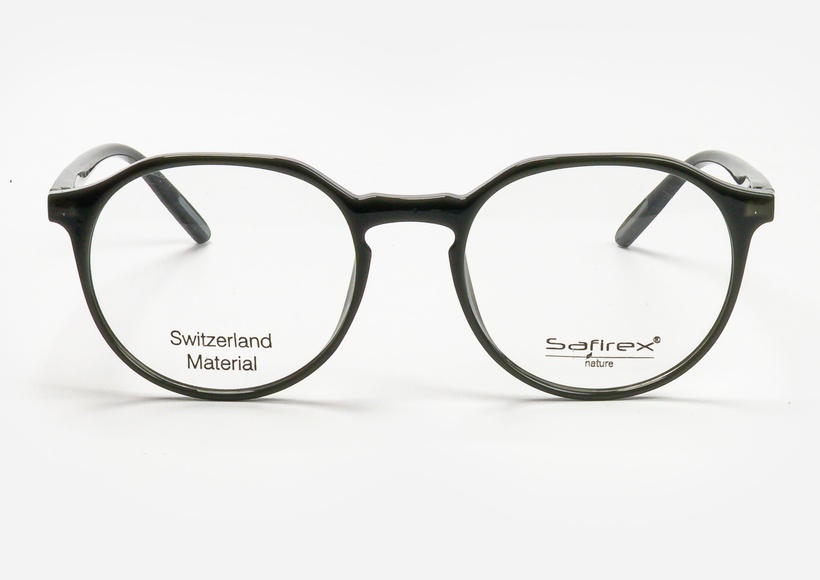
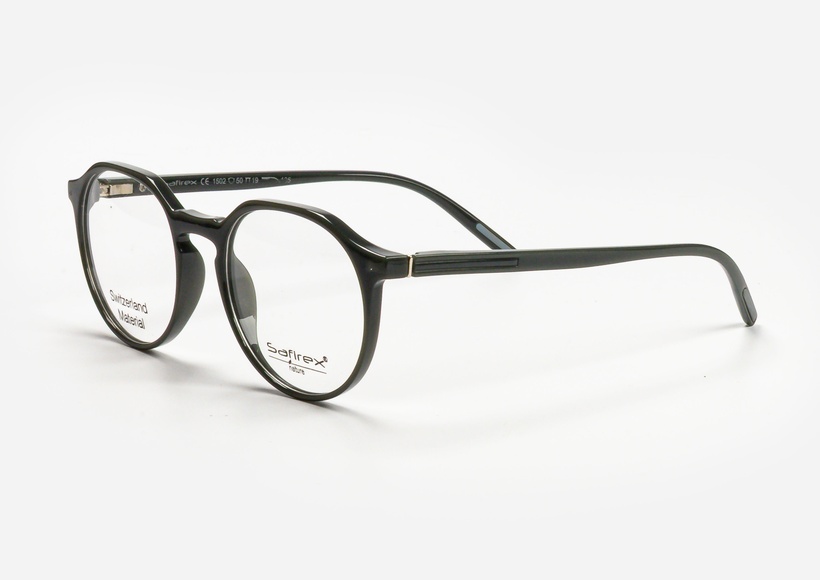
Each tile is one ultra-lightweight memory frame model and color. Titles list model and color codes for quotations. Fifteen sample colorways are shown. Polymer grade is confirmed on the order specification.
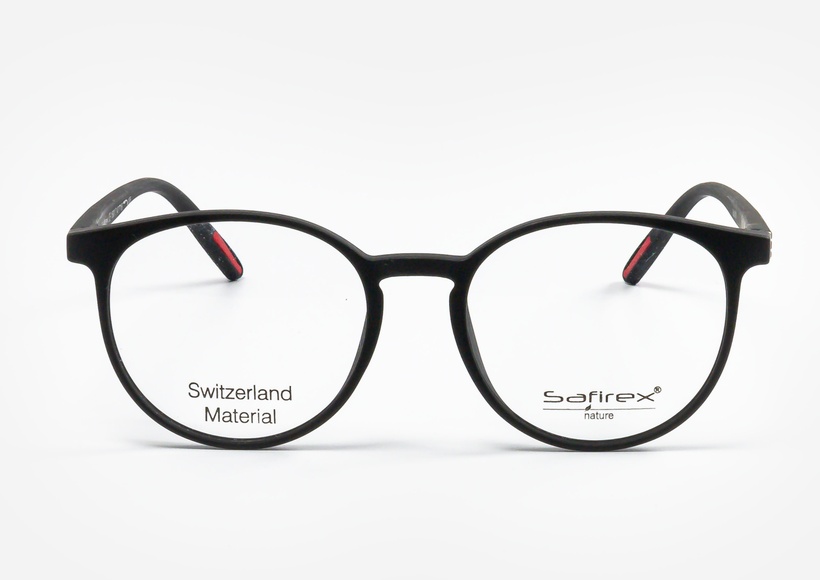
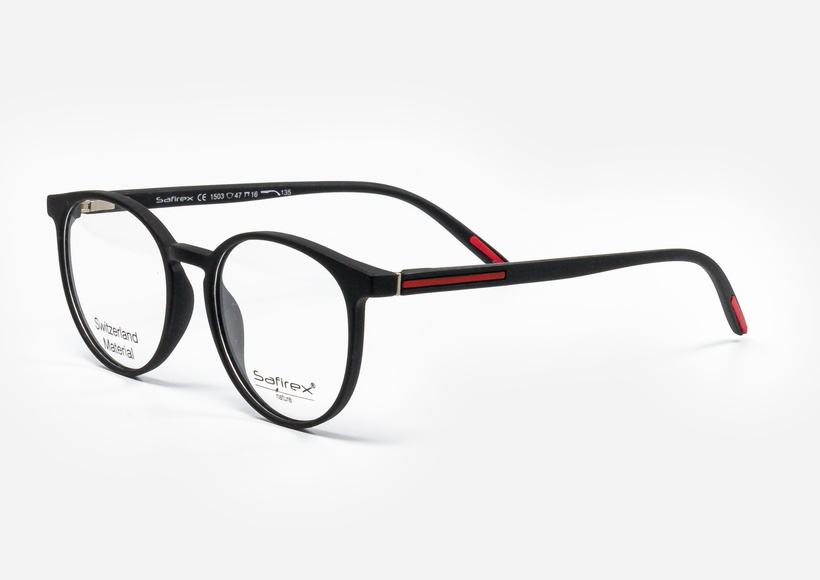
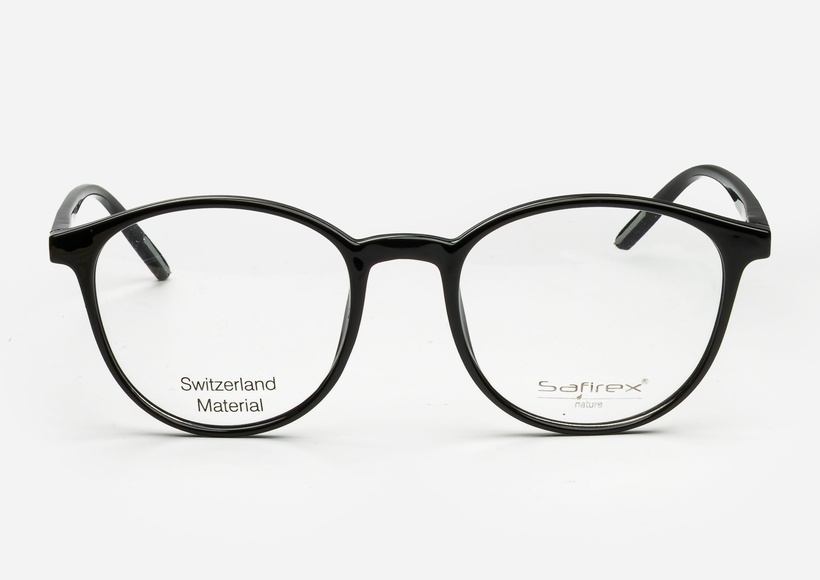
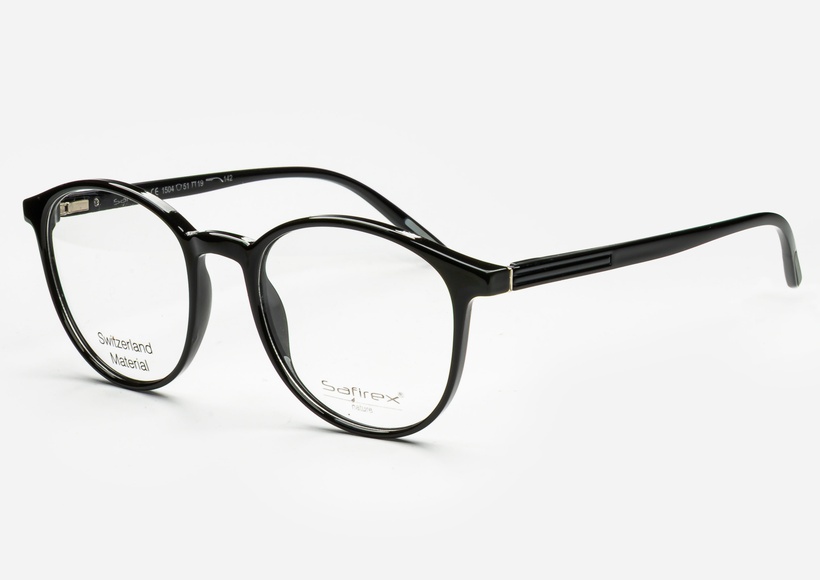
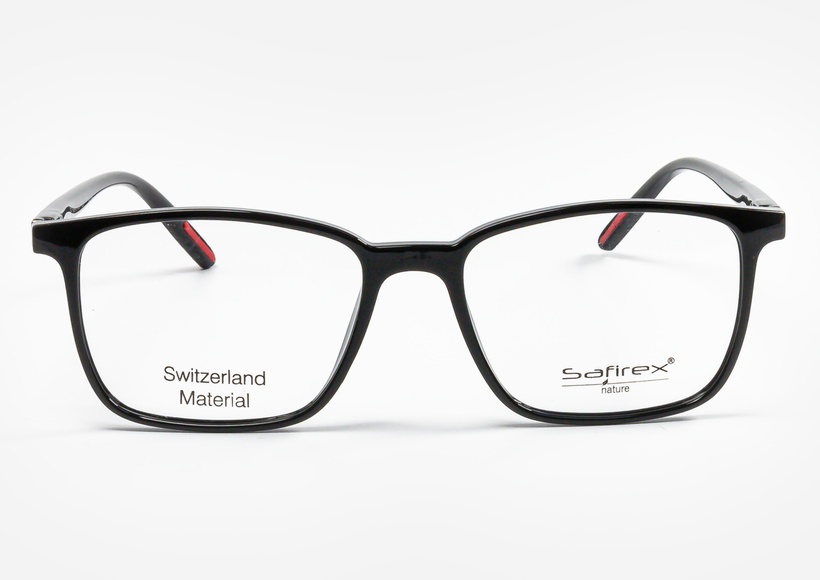
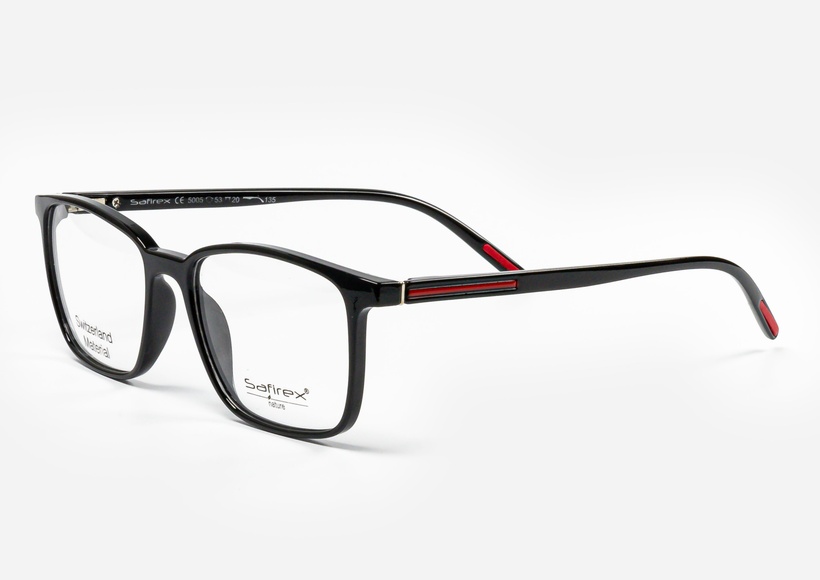
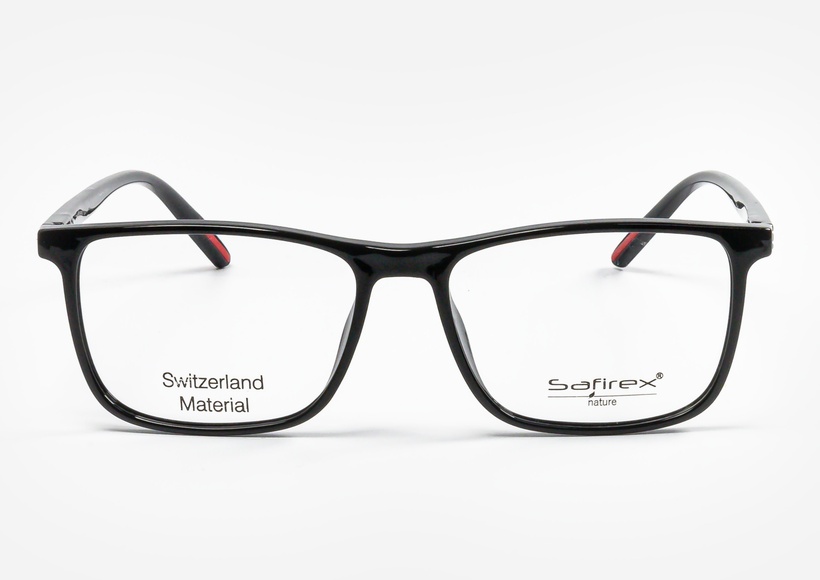
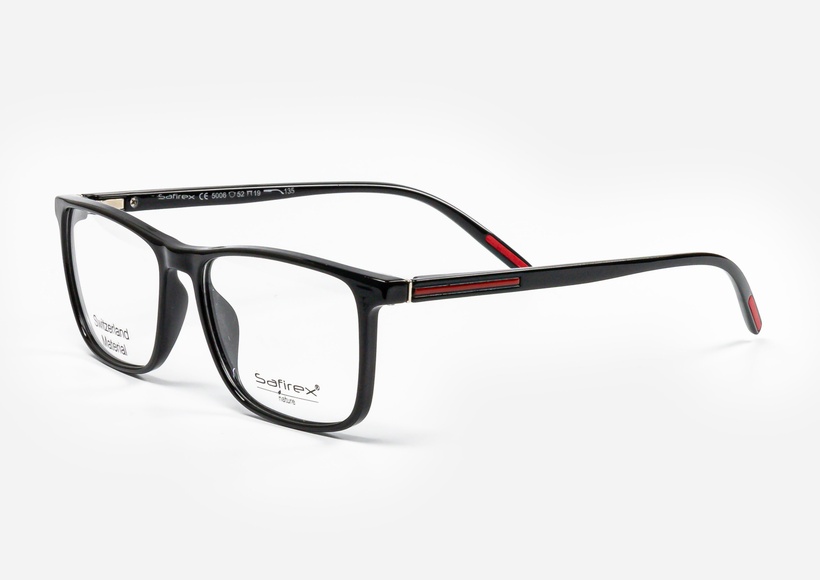
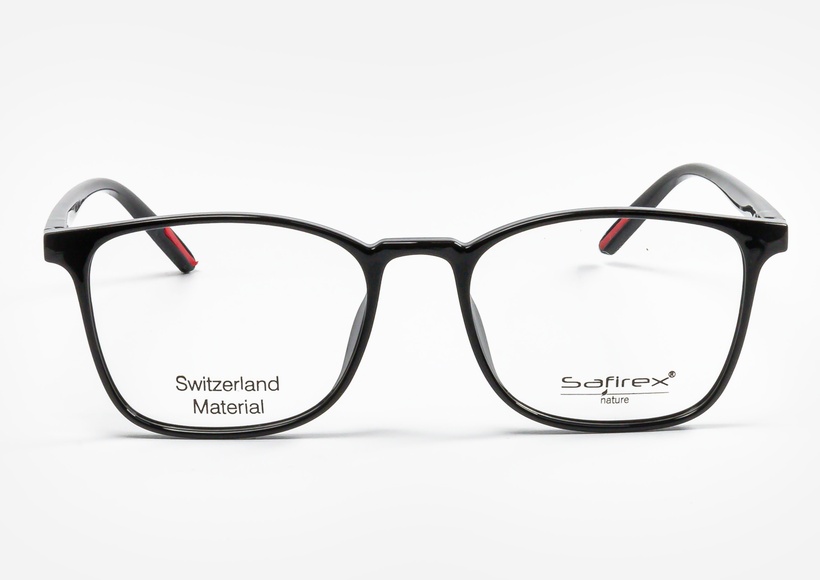
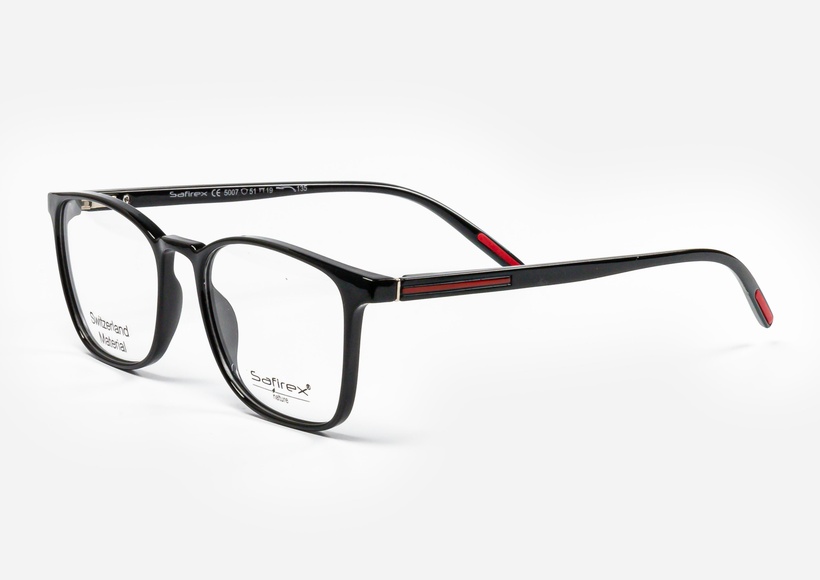
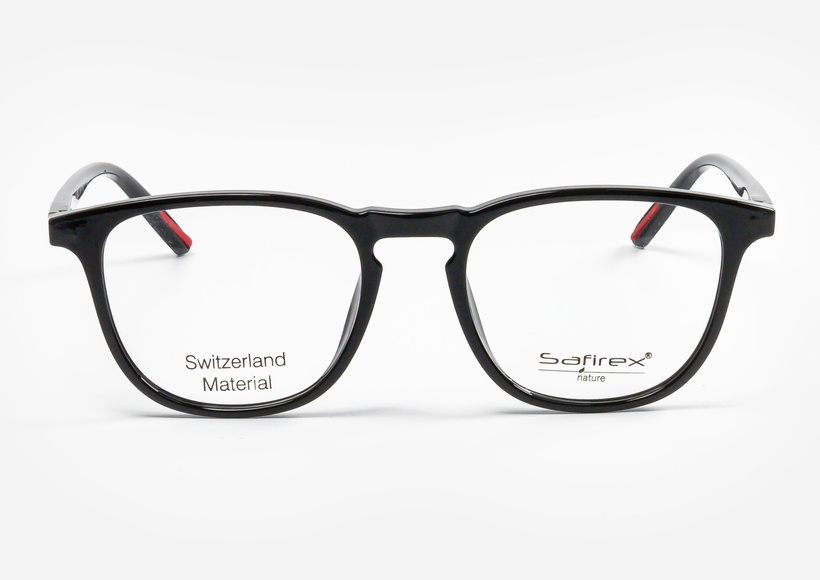
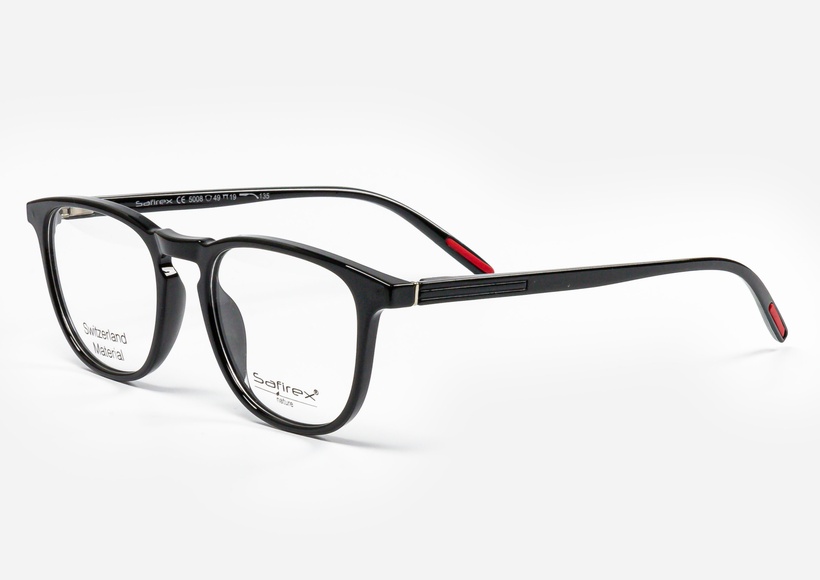
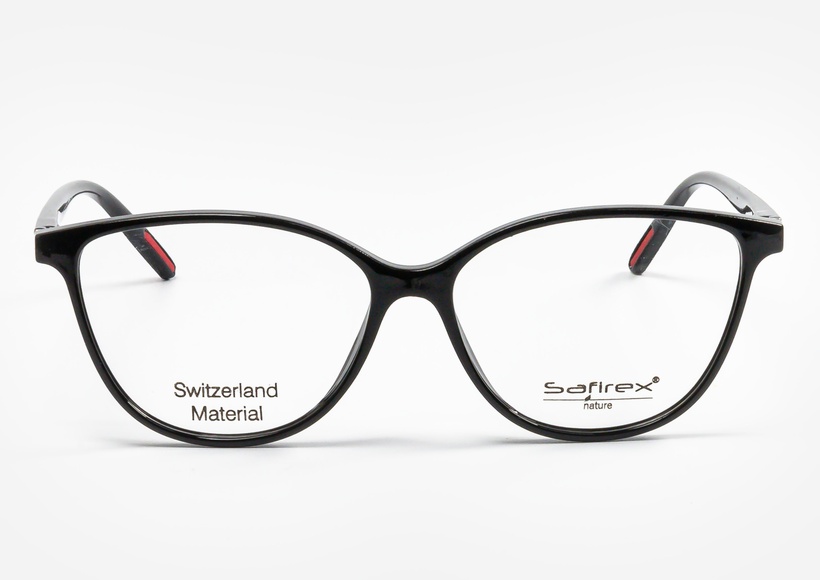
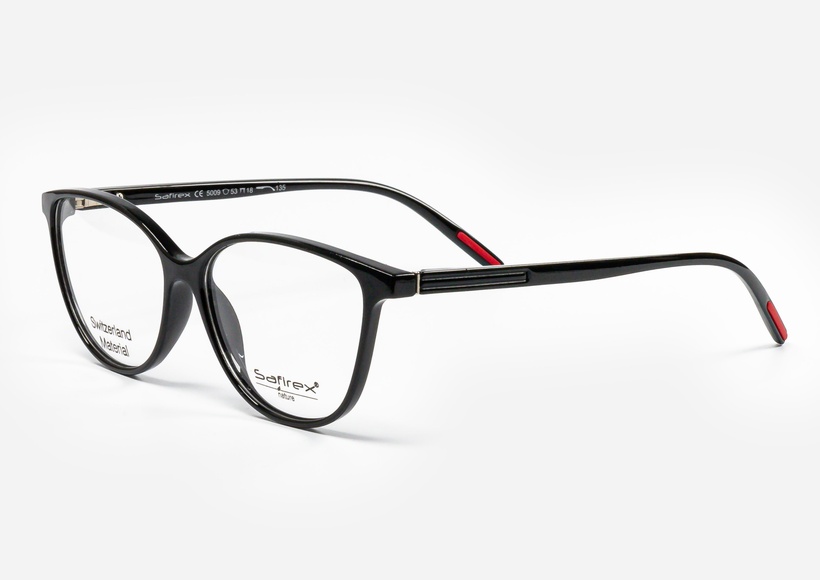
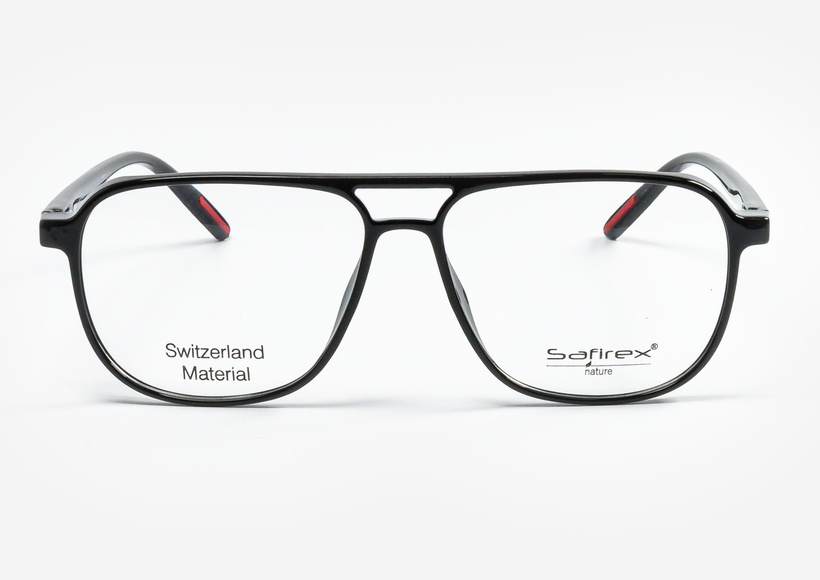
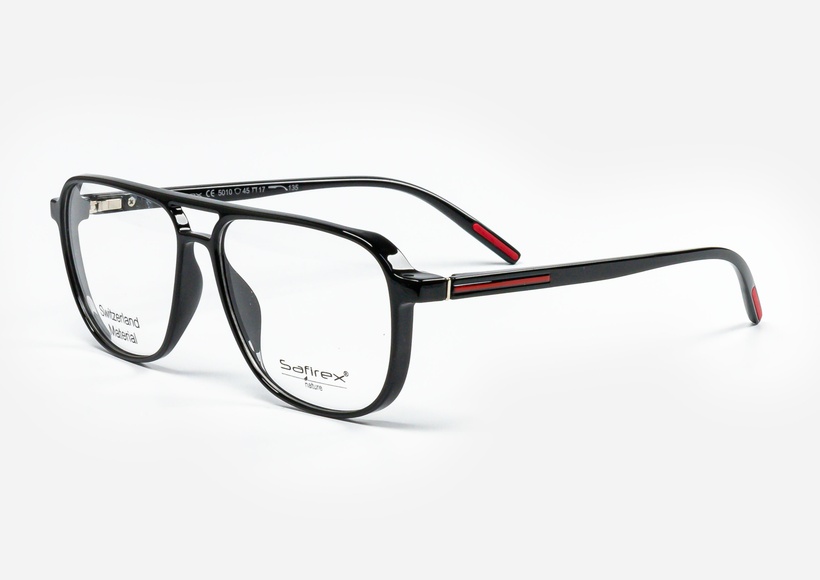
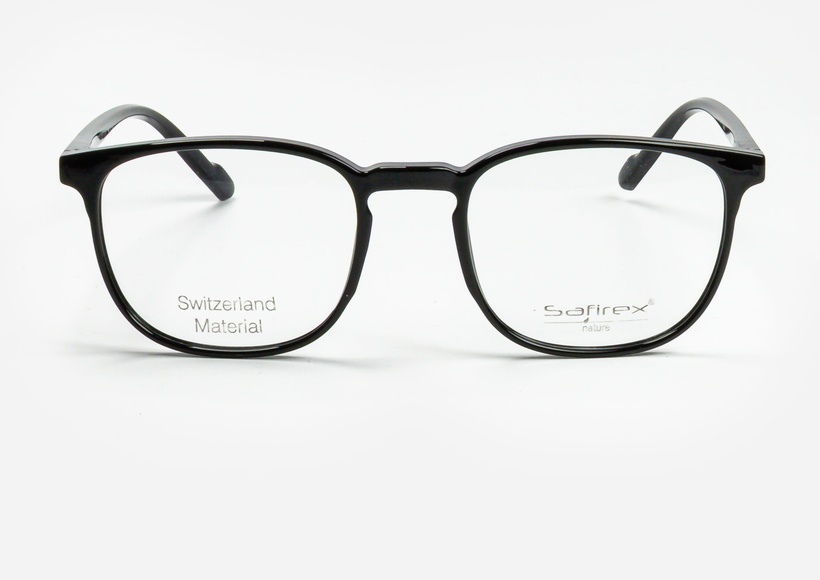
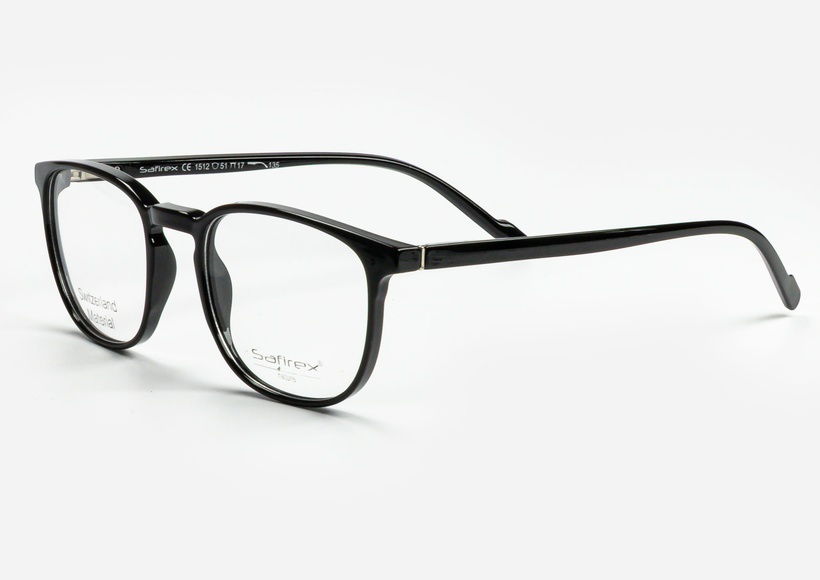
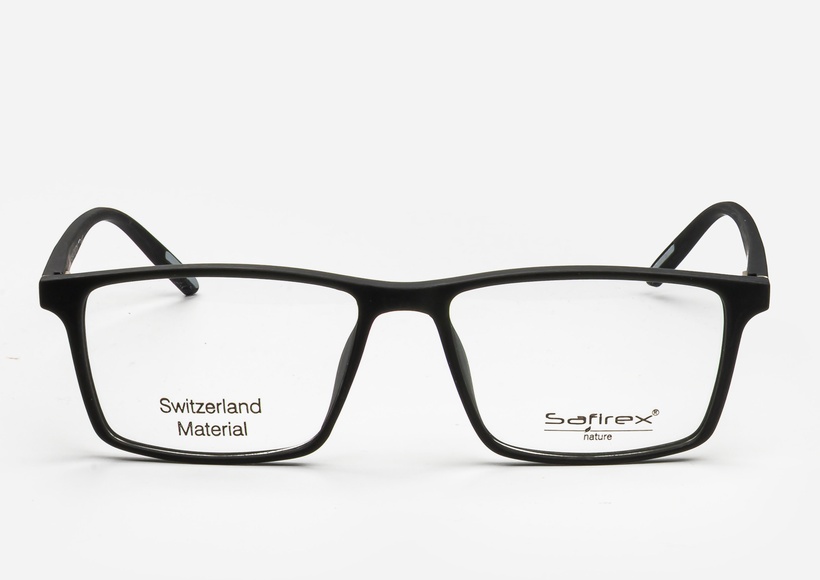
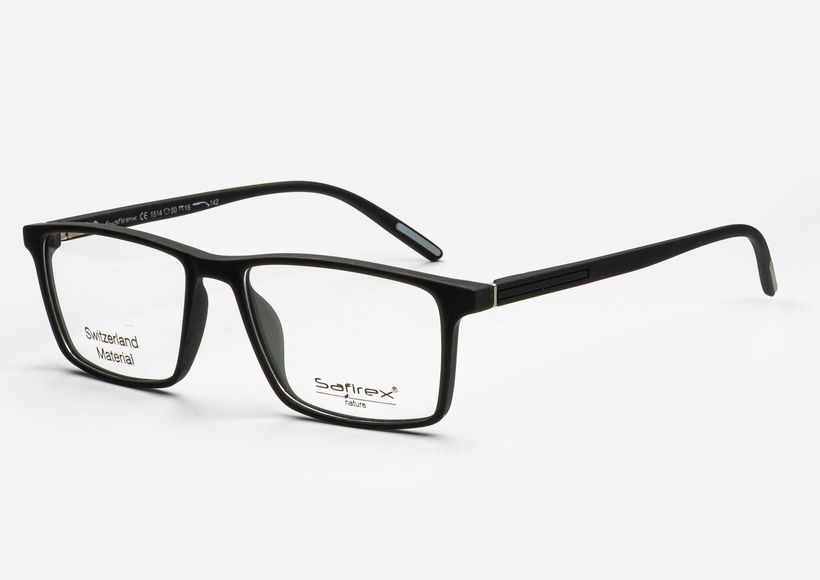
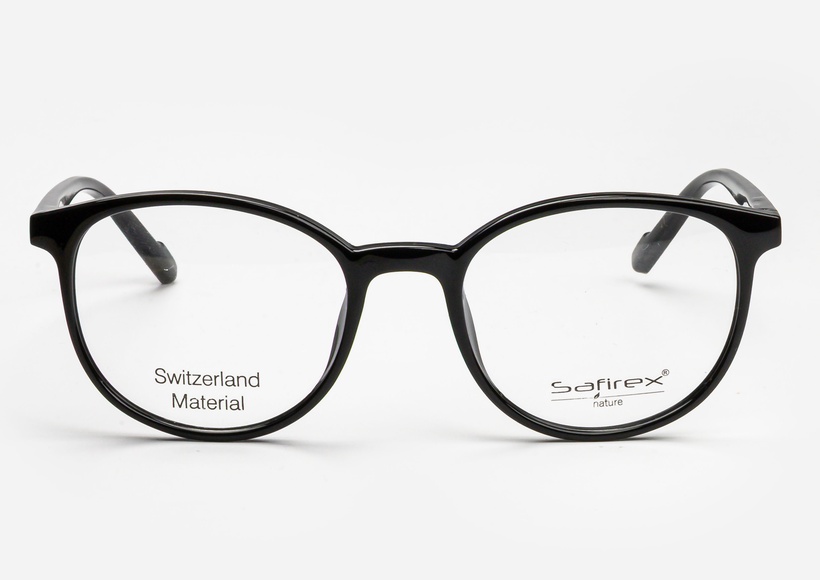
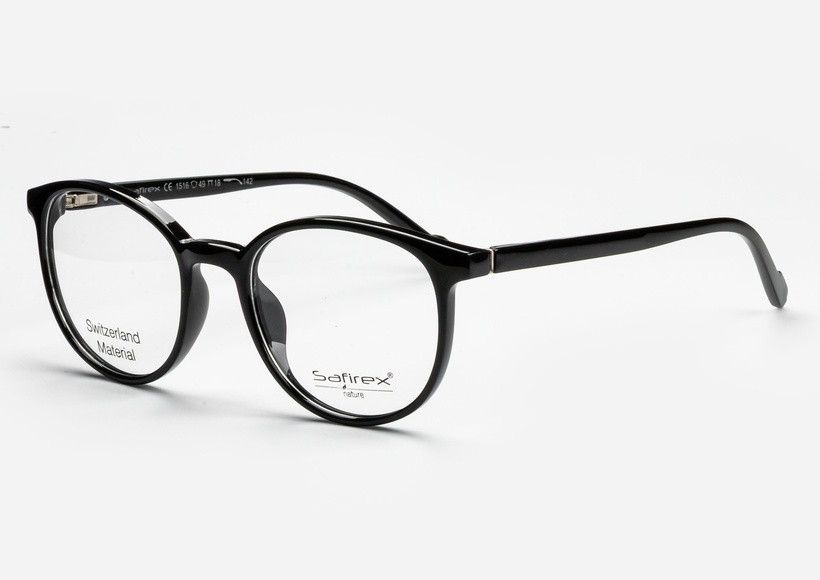
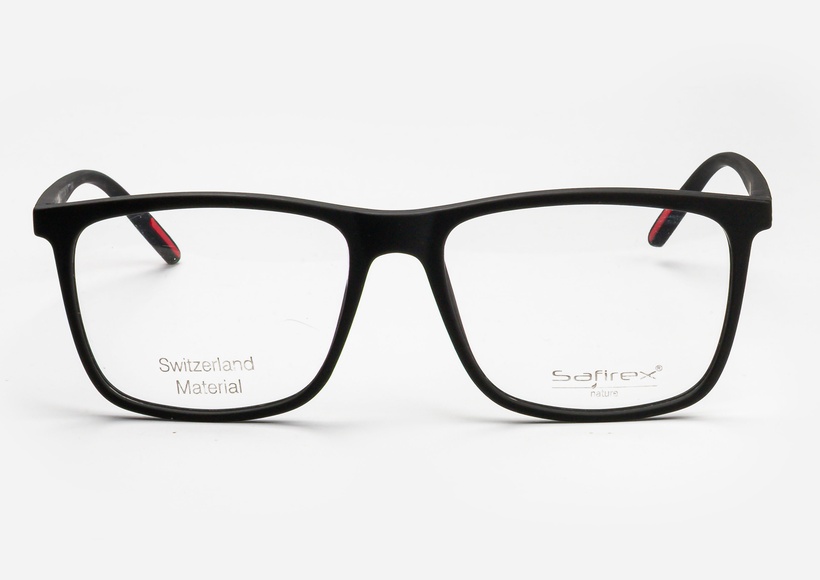
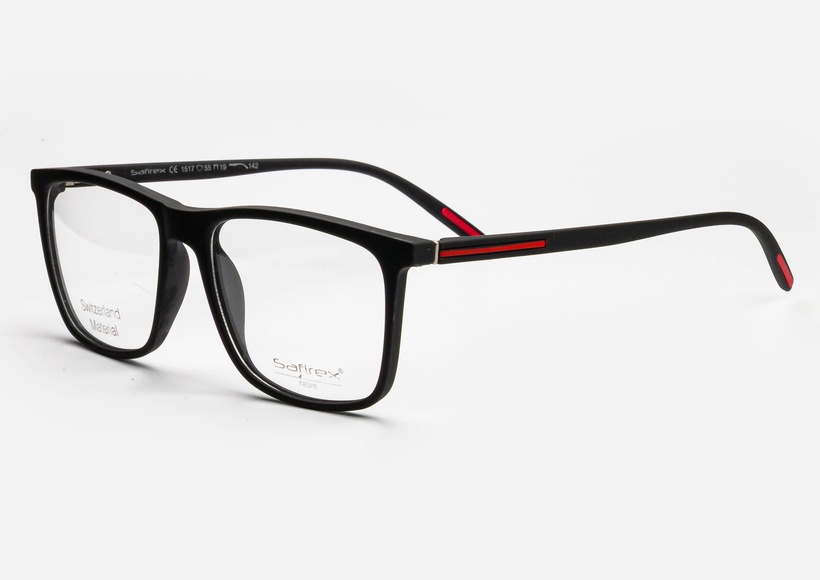
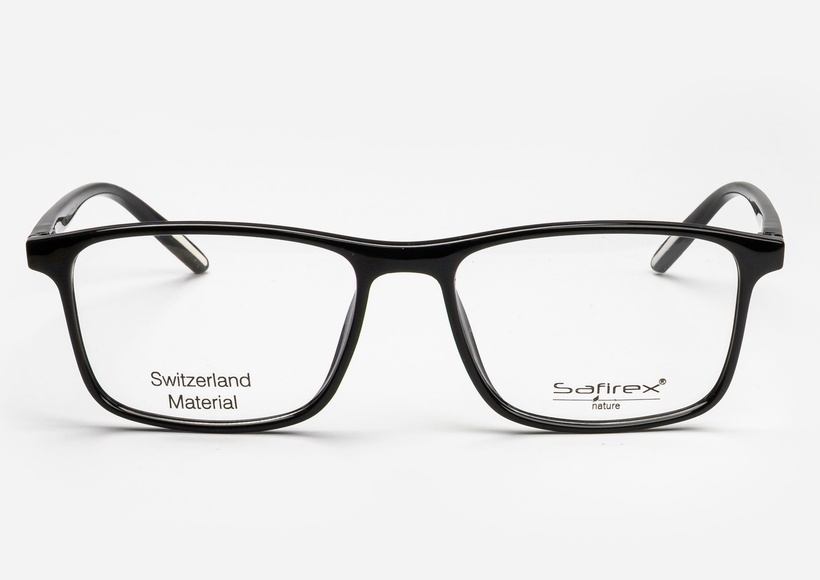
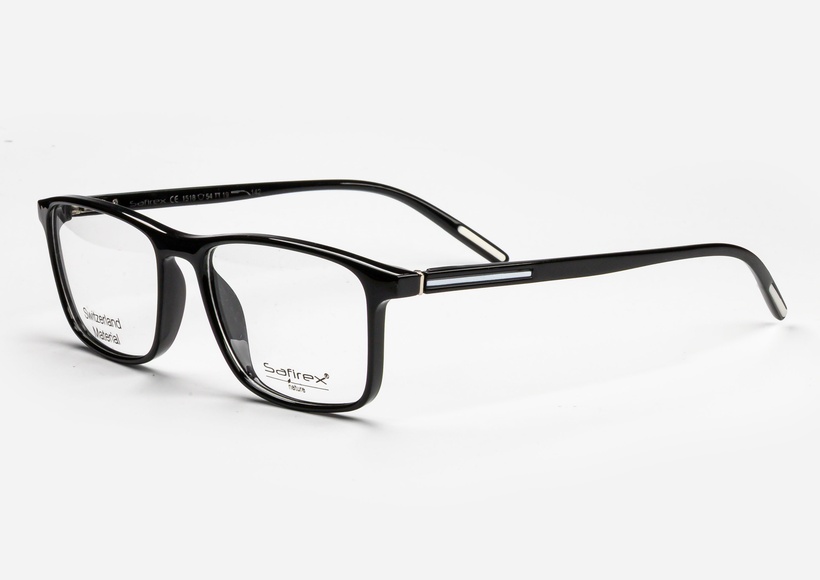
The counts cover TR90-type, PEI and mixed-construction models in the active memory-frame catalog. Sample colorways on this page are a subset; additional colors and hinge types are available once MOQ and lead time are confirmed.
In eyewear, "memory frame" describes two different material behaviours. Flexible polymers such as TR90-type polyamide bend elastically under load and spring back when released. Nickel-titanium alloys are superelastic: they tolerate much larger bending and still recover their original shape.
"Ultra-lightweight" comes from low material density. TR90-type polyamide has a density of about 1.0 g/cm³ and PEI about 1.27 g/cm³, compared with about 7.9 g/cm³ for stainless steel. A plastic front of similar volume is therefore several times lighter than a steel one.
"TR90" is widely used as a generic name, but Grilamid TR 90 is a trademark of EMS-CHEMIE, and Ultem is a trademark of SABIC for its PEI resins. On our product data we name the polymer type and confirm the resin source on request.
Values are typical figures from resin and alloy manufacturers' published data. Finished frame properties also depend on design, wall thickness and finish.
| Material | Density | Behaviour | Nickel | Typical use |
|---|---|---|---|---|
| TR90-type polyamide | About 1.0 g/cm³ | Flexible, high flexural fatigue strength, resists stress cracking and many chemicals | None in the polymer | Fronts and temples |
| Polyetherimide (PEI, Ultem-type) | About 1.27 g/cm³ | Stiff and strong; allows thin walls; inherently flame resistant; tolerates PVD metallizing | None in the polymer | Thin, slim fronts |
| Nickel-titanium (NiTi) | About 6.5 g/cm³ | Superelastic shape-memory alloy that recovers after large bending | About 55% by weight | Temples and bridges |
| For comparison: stainless steel | About 7.9 g/cm³ | Rigid metal, holds adjustment | About 8 to 14% in common grades | See our metal frames |
We match the material to the product position and to the wearer. TR90-type polymers favor light daily wear, PEI suits higher heat and chemical resistance, and mixed metal and polymer builds are used where a slim temple and adjustable pads are required.
TR90-type polyamide gives light, forgiving frames that tolerate handling in store and in daily wear.
Flexible TR90-type fronts with soft temple tips stay in place during movement and resist breakage.
PEI's stiffness allows very thin rims that keep their shape, with a crisp, metal-like line.
NiTi temples recover from bending that would permanently deform ordinary metal temples.
All-polymer frames avoid nickel in the frame material; check hinges and screws as well.
Flexible polymer frames are widely used for young wearers; see our children's eyewear.
Lets the temple open past its normal angle and return, reducing stress on the front.
A low-profile hinge set into the frame, suited to slim PEI fronts.
Temples clip into the front without screws, so there is nothing to loosen.
A keyhole or saddle bridge molded into the front; no separate pad arms.
Rubber-feel tips that improve grip behind the ear for sport models.
A polymer front combined with NiTi temples for lightness at the front and flexibility at the sides.
All sizes are in millimeters in the boxing system of ISO 8624: lens size, distance between lenses and temple length. ISO 12870 allows ±0.5 mm on lens size and distance between lenses, and ±2.0 mm on temple length.
| Model | Lens size | Distance between lenses | Temple length | Material |
|---|---|---|---|---|
| 1501 | 53 | 17 | 139 | Confirmed on order specification |
| 1502 | 50 | 20 | 143 | Confirmed on order specification |
| 1503 | 49 | 19 | 137 | Confirmed on order specification |
| 1504 | 51 | 19 | 135 | Confirmed on order specification |
| 1505 | 53 | 16 | 145 | Confirmed on order specification |
| 1506 | 53 | 16 | 141 | Confirmed on order specification |
| 1507 | 54 | 17 | 135 | Confirmed on order specification |
| 1508 | 49 | 18 | 138 | Confirmed on order specification |
| 1509 | 49 | 18 | 138 | Confirmed on order specification |
| 1510 | 53 | 18 | 135 | Confirmed on order specification |
| 1512 | 54 | 17 | 140 | Confirmed on order specification |
| 1514 | 51 | 18 | 136 | Confirmed on order specification |
| 1516 | 54 | 20 | 139 | Confirmed on order specification |
| 1517 | 52 | 18 | 142 | Confirmed on order specification |
| 1518 | 53 | 18 | 135 | Confirmed on order specification |
Memory frames follow the same frame standard as all optical frames. Test reports from independent laboratories are available on request.
| Requirement | Why it matters for memory frames | Reference |
|---|---|---|
| Dimensional stability | Polymer frames must keep their shape after 2 hours at 55 ± 5 °C | ISO 12870 |
| Resistance to perspiration | Color, print and coatings must not spot, change color or separate | ISO 12870 |
| Bridge deformation and lens retention | A flexible front must still hold the lenses securely under load | ISO 12870 |
| Endurance | Hinges and temples are checked over repeated opening cycles | ISO 12870 |
| Resistance to ignition | Frame materials must not continue burning after contact with a heated rod | ISO 12870 |
| Nickel release | NiTi temples and metal hinges in skin contact: no more than 0.5 µg/cm² per week | REACH Annex XVII entry 27; test method EN 16128 |
| Marking | Model, color and boxing-system size inside the temple | ISO 12870 |
| EU market status | Spectacle frames are Class I medical devices with CE marking | Regulation (EU) 2017/745 |
Production
TR90-type and PEI frames pass through the full production line in our Istanbul factory. All stages are shown on our manufacturing page.
Dried resin is injected into steel molds to form fronts and temples.
Vibratory finishing and hand sanding remove gate marks and parting lines.
Primer and UV printing, hand painting, or flat hinge and color, depending on the design.
Hinges, temples and any NiTi parts are fitted and hinge action is adjusted.
Frames are inspected, washed and sealed with a clear protective varnish.
Demo lenses are fitted; logo, model, color and size are printed on the temples.
Each frame is checked for size, alignment, hinge action, surface and print, then packed.
Resin identification comes first on memory frame orders. The name "TR90" covers more than one material in the market.
| Item | What it covers |
|---|---|
| Polymer type and resin source | Resin type and supplier are declared on the order specification and in the material declaration for the order. |
| Material declaration for metal parts | Identifies nickel in hinges, screws and memory-metal temples |
| Flexibility on samples | Approved samples show how far the front and temples flex before bulk production starts |
| Nickel release test report (EN 16128) | Needed for NiTi or other metal skin-contact parts sold in the EU |
| ISO 12870 test report | Confirms dimensional stability, perspiration resistance, lens retention and endurance |
| Color and print standard | An approved reference sample keeps repeat orders consistent |
| Inspection plan | Sampling per ISO 2859-1 at an AQL level agreed with the buyer |
| Export documents | Commercial invoice, packing list, certificate of origin, and an A.TR movement certificate for EU shipments |
Molded frames give the widest choice of color and decoration. Private-label programs can combine custom Pantone matches, UV artwork and pad-printed temple marks once the approved sample is locked as the bulk reference.
Solid, transparent and two-tone colors applied by painting or flat color.
Multicolor artwork printed on primed fronts and temples.
Your brand name pad-printed on the temple, with size marking inside.
Cases, cloths and labels from our accessories range.
A memory frame is made from a flexible material that returns to its original shape after being bent or twisted. Typical materials are flexible thermoplastics such as TR90-type polyamide and shape-memory nickel-titanium (NiTi) alloys.
TR90 refers to Grilamid TR 90, a transparent amorphous polyamide made by EMS-CHEMIE. The manufacturer's data sheet gives a density of 1.00 g/cm³ and highlights high flexural fatigue strength, stress-crack resistance and chemical resistance. In eyewear, TR90 is a common name for this class of flexible, injection-molded polyamide.
TR90-type polyamide is very light and flexible and bends without breaking. Ultem is a polyetherimide (PEI) with a density of about 1.27 g/cm³ and a flexural modulus around three times higher than eyewear polyamides, so it is much stiffer. That stiffness allows thin walls and very slim fronts, and PEI is inherently flame resistant.
Yes. Nickel-titanium contains nickel, so parts in prolonged skin contact should be tested to EN 16128 for the EU market, where the REACH limit is 0.5 µg/cm² per week.
The polymers themselves contain no nickel. Check the metal parts, such as hinges, screws and any memory-metal temples, because these may contain nickel. Frames with metal skin-contact parts should be tested to EN 16128 for the EU market.
Frames and mountings of plastics fall under HS subheading 9003.11. For frames that combine a plastic front with metal temples, classification follows the material that gives the frame its essential character, so confirm the code with your customs broker.
Yes. ISO 12870 applies to all unglazed spectacle frames, whatever the material. It covers dimensional tolerance, dimensional stability at elevated temperature, resistance to perspiration, bridge deformation, lens retention, endurance and resistance to ignition.
Yes. Because TR90-type and PEI frames are injection molded in our factory, frame color, temple print, logo and packaging can be set for your brand. Order quantities and lead times are listed on our services page.
Send the model codes, colors, quantities per color and destination market. We reply with a specification and quotation.