
Wholesale optical frames made in Türkiye
We manufacture prescription frames in five ranges at our Istanbul factory: Thin Series, metal frames, ultra-lightweight memory frames, clip-on eyewear and acetate temples. Frames on these pages are supplied with demo lenses. Size marks follow the boxing system and are confirmed on the order specification.
Optical frames at a glance
- Ranges
- Thin Series, metal frames, ultra-lightweight memory frames, clip-on eyewear and acetate temples
- Materials
- Stainless steel, titanium, TR90-type polyamide, polyetherimide (PEI), nickel-titanium temples
- Constructions
- Full-rim and semi-rimless; standard, spring, flat and screwless hinges
- Size range across ranges
- Lens size 48 to 57 mm, distance between lenses 16 to 21 mm, temple length 135 to 150 mm
- Supplied with
- Demo lenses and boxing-system size marking inside the temple
- Frame standard
- ISO 12870:2024 requirements and test methods; sizes per ISO 8624
- EU status
- Class I medical device under Regulation (EU) 2017/745
- US status
- Class I spectacle frame under 21 CFR 886.5842, exempt from 510(k)
- Customs codes
- HS 9003.11 (plastics), 9003.19 (other materials)
- Order terms
- Minimum quantities and lead times are listed on our services page
Optical frame ranges
Five ranges. Open the page that matches the construction you need. Sample colors are shown here; sizes are confirmed on the specification.
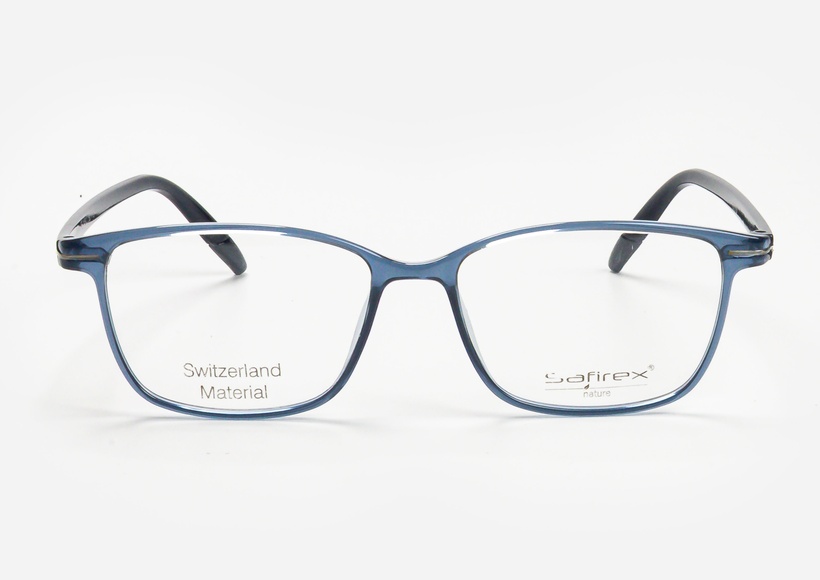
Thin Series
Slim optical frames. Model 1464 is also shown under Metal Frames.
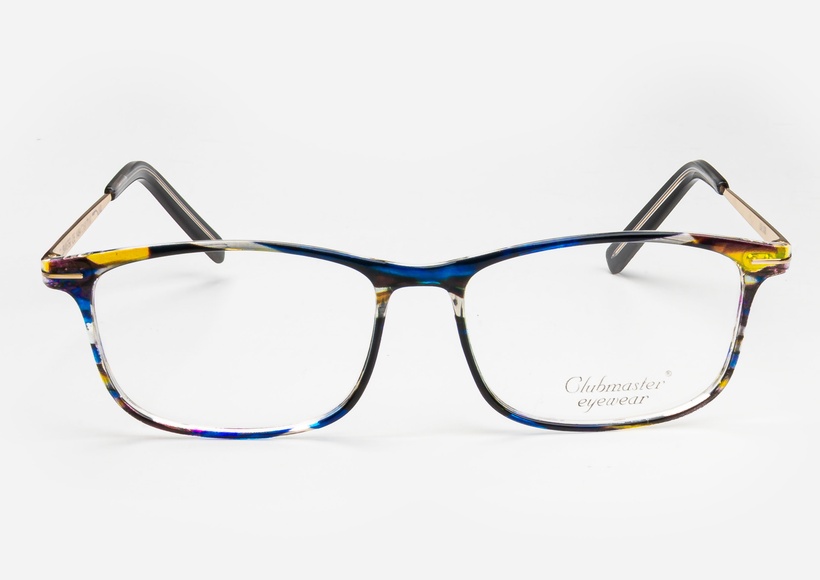
Metal Frames
Stainless steel and titanium frames, including 1464, 1465 and the 65xx models.
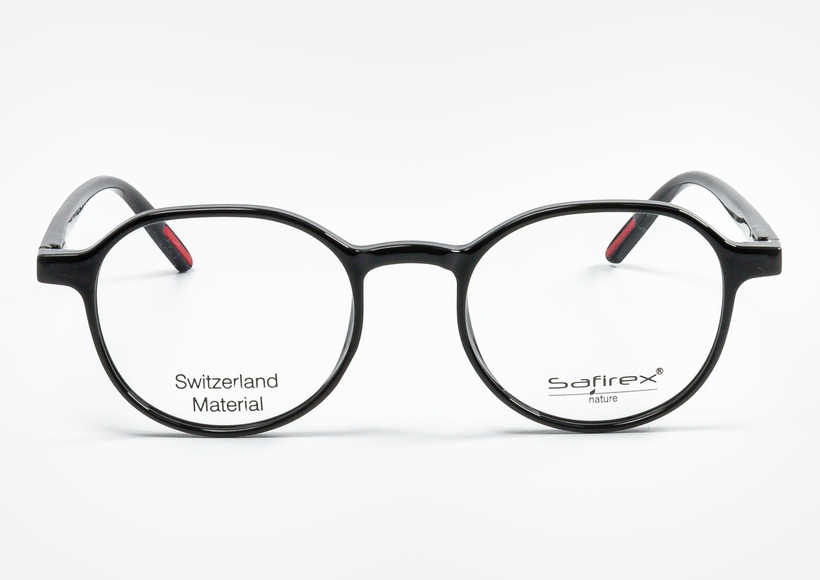
Ultra-Lightweight Memory Frames
Light frames that return toward their shape. The polymer grade is confirmed per model.
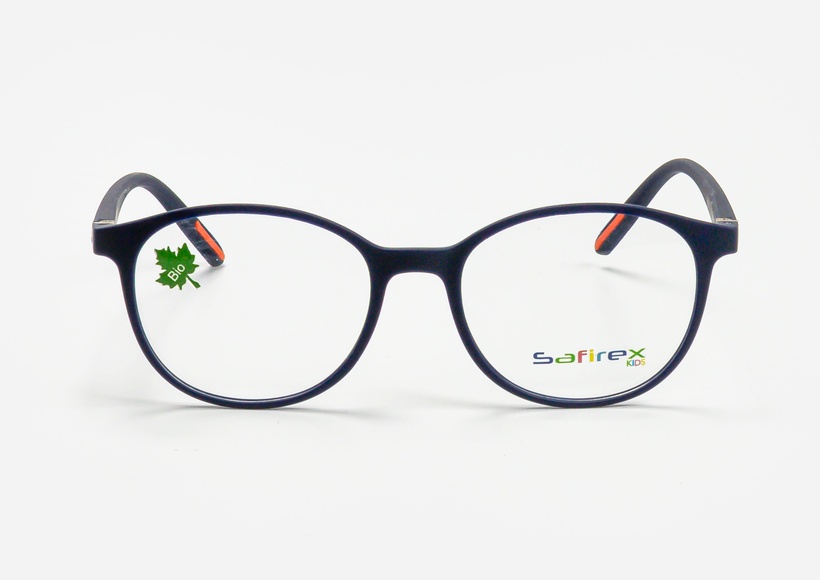
Clip-On Eyewear
An optical frame supplied with a matching magnetic sun clip.
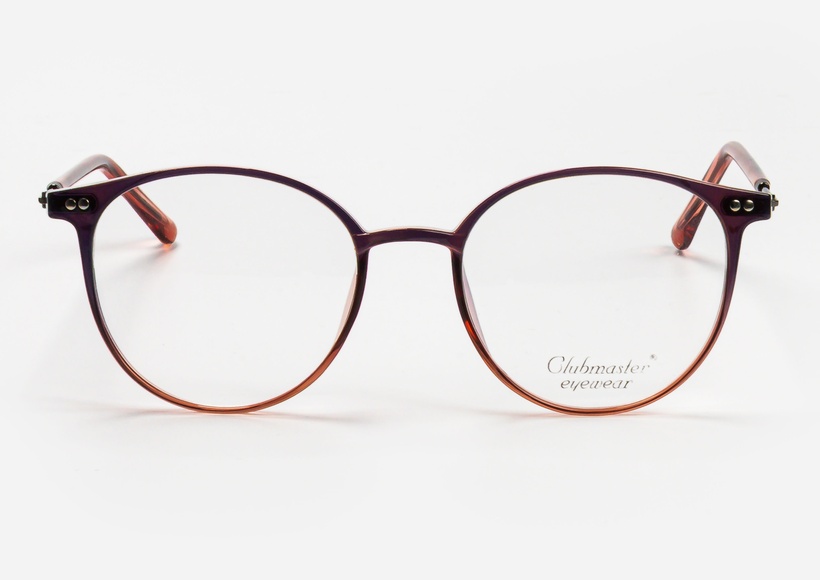
Acetate Temple
Acetate on the temples. These are not full-acetate fronts.
Our optical frame ranges compared
Metal, memory and clip-on are compared below because their materials and nose construction differ. Thin Series and acetate-temple frames are separate ranges; use their own pages for construction details.
| Feature | Metal frames | Memory frames | Clip-on eyewear |
|---|---|---|---|
| Main materials | Stainless steel, titanium | TR90-type polyamide, PEI, NiTi temples | TR90-type polyamide |
| Character | Slim, rigid, adjustable | Light and flexible, or stiff and slim (PEI) | Optical frame plus magnetic sun clip |
| Nose support | Adjustable pad arms | Molded bridge | Molded bridge |
| Nickel in frame material | In stainless steel; none in commercially pure titanium | None in the polymers; present in NiTi temples | None in the polymer; check metal parts |
| EU status | MDR Class I | MDR Class I | Frame MDR Class I; clip PPE Category I |
| HS code | 9003.19 | 9003.11 | Confirm for sets with your broker |
| Suits | Classic and core optical lines | Everyday, sport and children's ranges | Buyers wanting optical and sun use in one product |
Optical frame sizing (ISO 8624)
Frame sizes follow the boxing system in ISO 8624:2020. A marking such as 52□18-145 means a 52 mm horizontal boxed lens size, an 18 mm distance between the lenses and a 145 mm overall temple length.
ISO 12870 sets the requirements and test methods for spectacle frames. It allows a tolerance of ±0.5 mm on the marked horizontal boxed lens size and distance between lenses, ±2.0 mm on temple length, and requires the size marking to remain legible. For rimless mounts, marking the lens size is optional.
Assortments are usually spread across lens sizes and bridge widths to cover common retail fits.
Frame measurement terms
| Term | Meaning | Where it is marked |
|---|---|---|
| Horizontal boxed lens size | Width of the rectangle enclosing the lens shape | First number, before the □ symbol |
| Distance between lenses | Bridge width between the two lens boxes | Number after the □ symbol |
| Overall length of side | Temple length from hinge to tip | Final number |
| Model and color code | Identification of the design and color | Inside of the temple |
Rim and hinge constructions
Construction affects which lenses can be fitted, how the frame is adjusted and how it is serviced.
Full-rim
The lens sits in a groove around the whole rim. It suits all lens powers and the widest range of shapes.
Semi-rimless
An upper rim holds the top of the lens; a nylon thread in a groove cut into the lens edge holds the bottom.
Rimless
Bridge and temples are fixed through holes drilled in the lens; covered by ISO 12870 as rimless mounts.
Standard and spring hinges
Barrel hinges joined by a screw, or sprung hinges that let the temple flex outward and return.
Flat and screwless hinges
Low-profile hinges for slim plastic fronts, or clip-fit temples with nothing to loosen.
Nose support
Adjustable pad arms on metal frames, or a molded bridge on plastic frames.
ISO 12870:2024 requirements for optical frames
ISO 12870:2024, the fifth edition, replaced ISO 12870:2016. It applies to unglazed frames sold by the manufacturer or supplier to the retailer, and its scope now includes rimmed clip-ons, prescription inserts and 3D-printed frames. In Europe it is published as EN ISO 12870:2025.
| Requirement | What it checks |
|---|---|
| Dimensional tolerance | Marked lens size and distance between lenses within ±0.5 mm; temple length within ±2.0 mm |
| Dimensional stability | Shape change after exposure to 55 ± 5 °C |
| Resistance to perspiration | No spotting, color change, corrosion or coating separation after artificial sweat exposure |
| Bridge deformation and lens retention | Permanent bridge deformation and lens security under a defined load |
| Endurance | No fracture and limited deformation after repeated opening of the temples |
| Resistance to ignition | No continued burning after contact with a heated steel rod |
| Resistance to optical radiation | Optional test for color change after light exposure |
| Magnets and attachments | The 2024 edition adds a note on magnets, relevant to clip-on systems |
| Marking | Manufacturer or supplier, model, color and boxing-system size |
Market rules for optical frames
Regulatory summary for importers. Confirm current requirements with your regulatory contact or test laboratory before placing frames on the market.
| Market | Legal framework | Points to note |
|---|---|---|
| European Union | Medical Device Regulation (EU) 2017/745, Class I; CE marking | Nickel release from skin-contact parts limited to 0.5 µg/cm² per week under REACH Annex XVII entry 27; test method EN 16128 |
| United States | 21 CFR 886.5842, Class I, exempt from premarket notification | Establishment registration, device listing and labeling apply |
| Other markets | National medical device rules | ISO 12870 is a common technical reference; check local registration and labeling |
Demo lenses and prescription mounting
Our optical frames are supplied unglazed, fitted with demo (template) lenses that keep the front in shape during transport and display.
The optician replaces the demo lenses with prescription lenses edged to the frame shape. Full-rim frames take lenses in a rim groove, semi-rimless frames need a grooved lens edge for the nylon thread, and rimless mounts need drilled lenses.
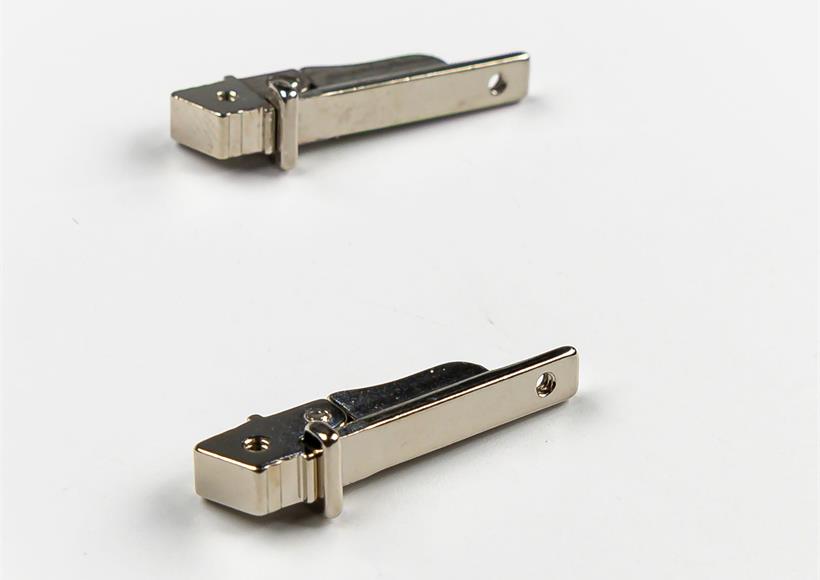
Spare parts for opticians
Order documentation for optical frame programs
We confirm these points with each customer before production starts. Each range page adds the points that apply only to that range.
| Item | What it covers |
|---|---|
| Size spread across the assortment | Lens sizes and bridge widths that fit the faces in your market |
| Material declaration per part | Confirms nickel content and the correct HS code |
| ISO 12870 test report | Shows that dimensions, stability, perspiration resistance and endurance meet the frame standard |
| Nickel release report (EN 16128) | Needed for metal skin-contact parts sold in the EU |
| Approved reference sample | The standard for color, finish, fit and marking in bulk production |
| Marking and labeling plan | Temple marking, CE marking and user information for each market |
| Spare parts availability | Hinges, pads and tips for after-sales service |
| Inspection plan | Sampling per ISO 2859-1 at an AQL level agreed with the buyer |
Private-label options for optical frames
-
Temple logo and marking
Your brand name pad-printed on the temple, with model, color and size inside.
-
Colors and finishes
Solid, transparent, two-tone, painted or UV-printed frames.
-
Exclusive designs
New shapes developed from your design brief with a dedicated mold.
-
Branded packaging
Cases, cloths and labels from our accessories range.
Optical frame questions
What does 52□18-145 on a frame mean?
It is the frame size in the boxing system of ISO 8624: 52 mm horizontal boxed lens size, 18 mm distance between lenses (bridge) and 145 mm overall temple length. The box symbol shows that the boxing system was used.
Are optical frames medical devices in the EU?
Yes. In the EU, spectacle frames are Class I medical devices under Regulation (EU) 2017/745 and carry CE marking when placed on the market.
How are spectacle frames regulated in the US?
The FDA classifies spectacle frames under 21 CFR 886.5842 as Class I medical devices exempt from premarket notification (510(k)). General controls such as establishment registration, device listing and labeling still apply.
What is the current edition of ISO 12870?
The current edition is ISO 12870:2024, the fifth edition, which replaced ISO 12870:2016. Its scope now includes rimmed clip-ons, prescription inserts and frames made by additive manufacturing such as 3D printing. In Europe it is published as EN ISO 12870:2025.
What tolerances apply to marked frame sizes?
ISO 12870 allows ±0.5 mm on the marked horizontal boxed lens size and distance between lenses, and ±2.0 mm on the overall temple length, measured by the boxing method of ISO 8624.
How do the five optical frame ranges differ?
Thin Series is the slim optical line. Metal frames cover stainless steel and titanium models, including some Thin Series model numbers that are also filed there. Ultra-lightweight memory frames are the light, shape-recovering line. Clip-on eyewear adds a magnetic sun clip to an optical frame. Acetate-temple frames use acetate on the temples, not a full acetate front.
Why are optical frames supplied with demo lenses?
Demo (template) lenses keep the frame front in shape during transport and display. Opticians replace them with prescription lenses cut to the frame shape.
Which HS code applies to optical frames?
Frames of plastics fall under HS subheading 9003.11 and frames of other materials, such as metal, under 9003.19. National tariff lines add further digits, so confirm the full code with your customs broker.
Related categories
Request the optical frames catalog
Send your target market, preferred materials and size spread; we will return matching model codes.