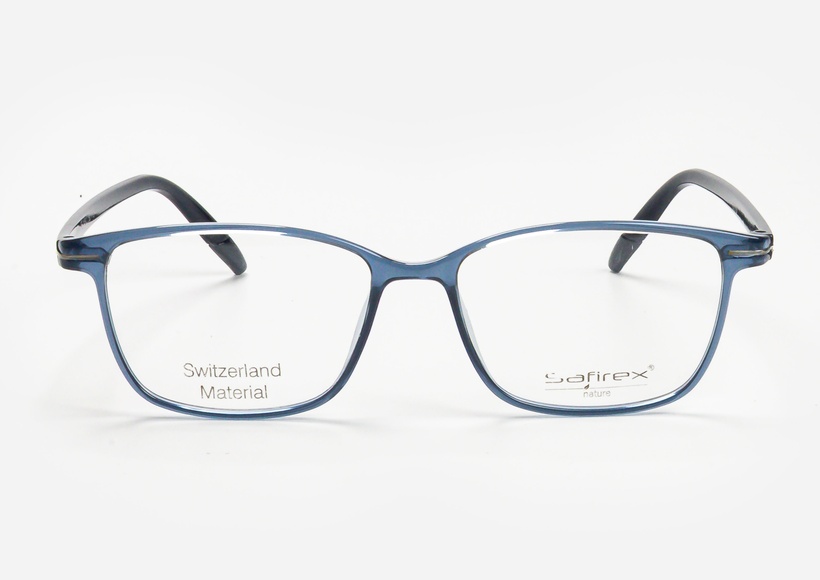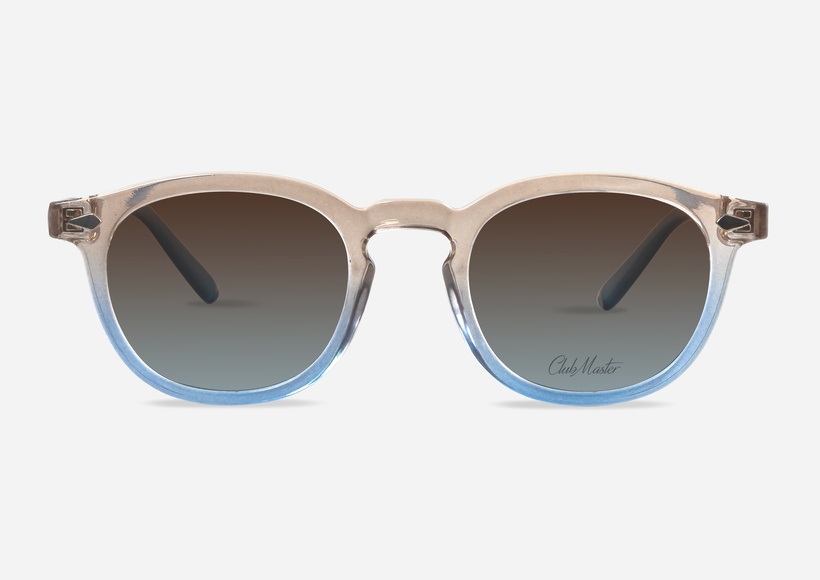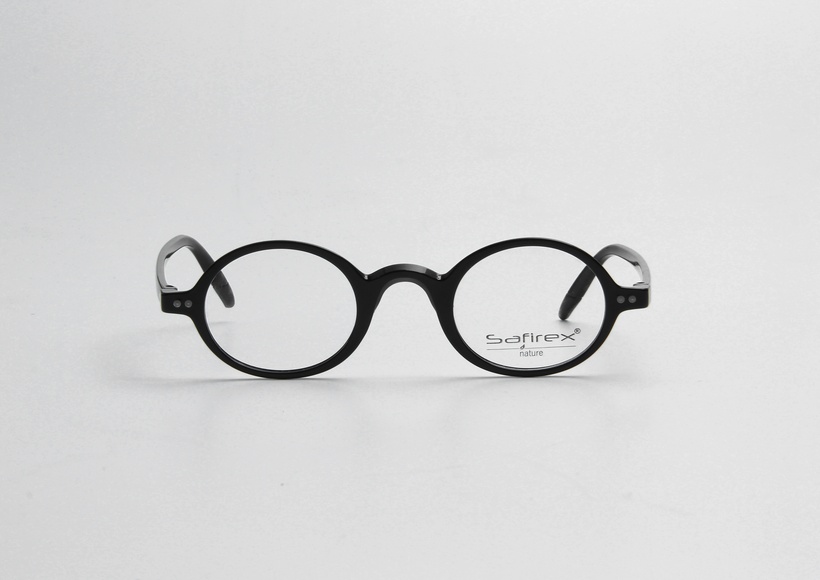
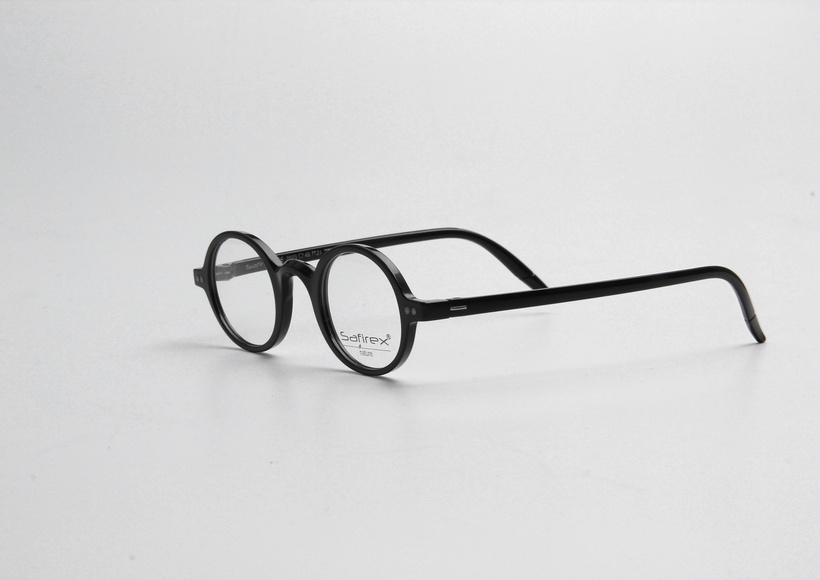
We manufacture ready-to-wear reading glasses in Istanbul for retail, pharmacy and optical channels. Each pair has two lenses of the same positive power, from +1.00 to +3.50 D, and the power is marked on the product. These are not prescription optical frames.
Safira 2023 and Safira 2024 are private-label reading-glass models within the same wholesale program as models 2023, 2024, 2025 and 3007.
Each card is one model and color. Titles match the model and color codes used in quotations. Colorways below include standard line models and Safira-branded variants.
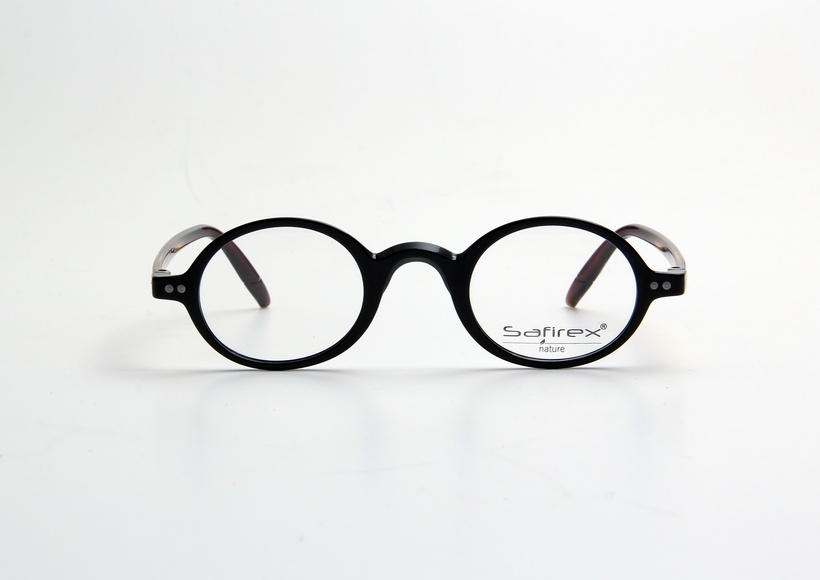
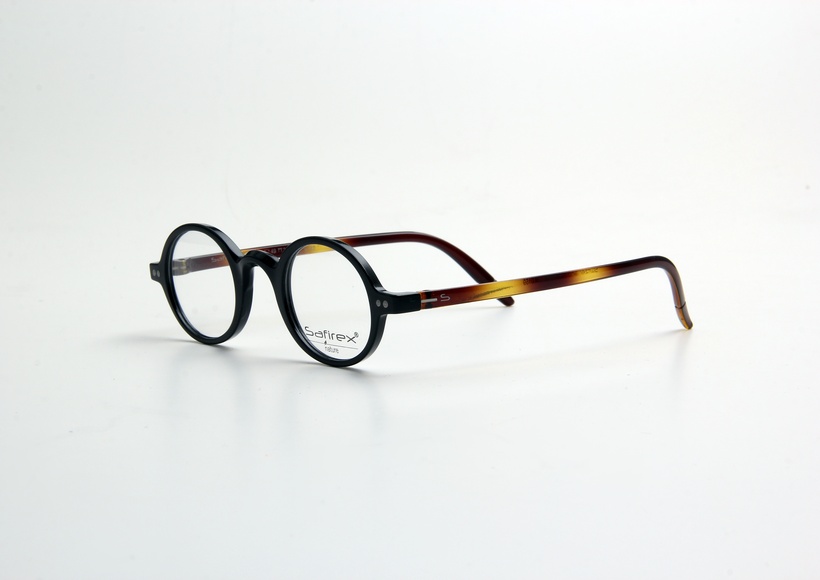
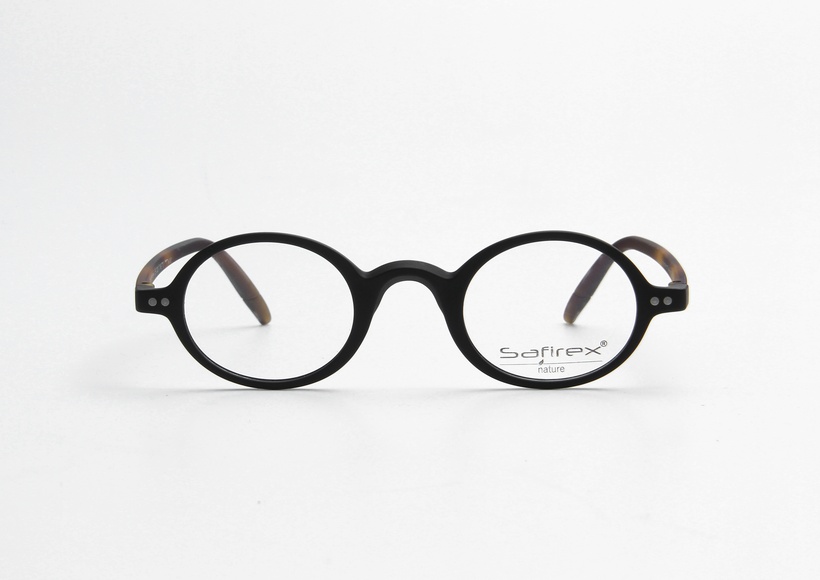
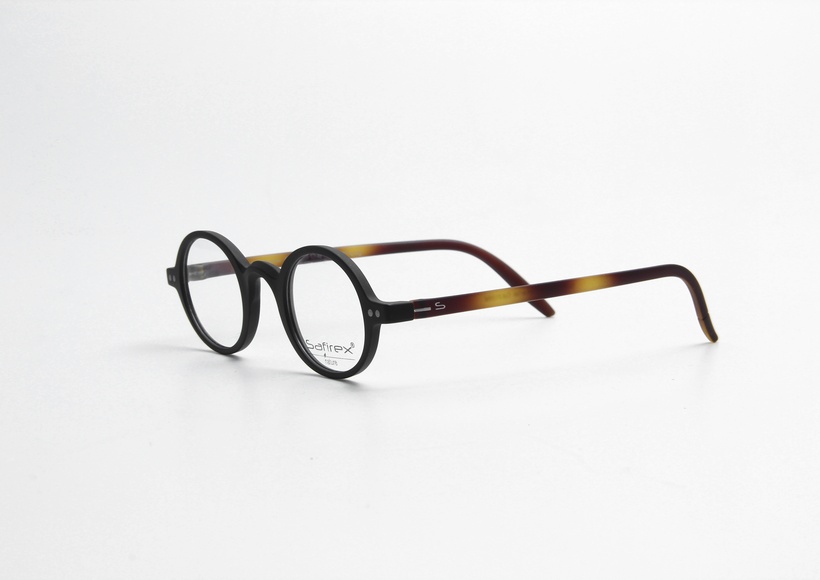
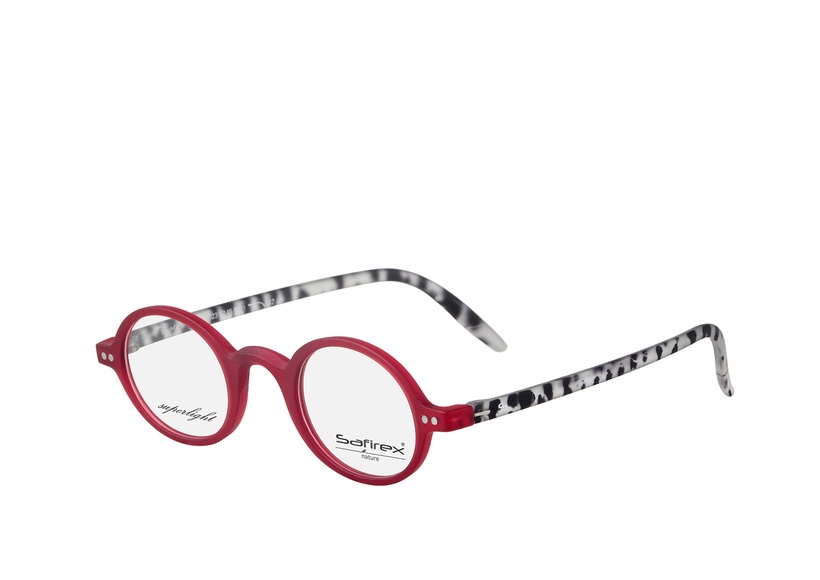
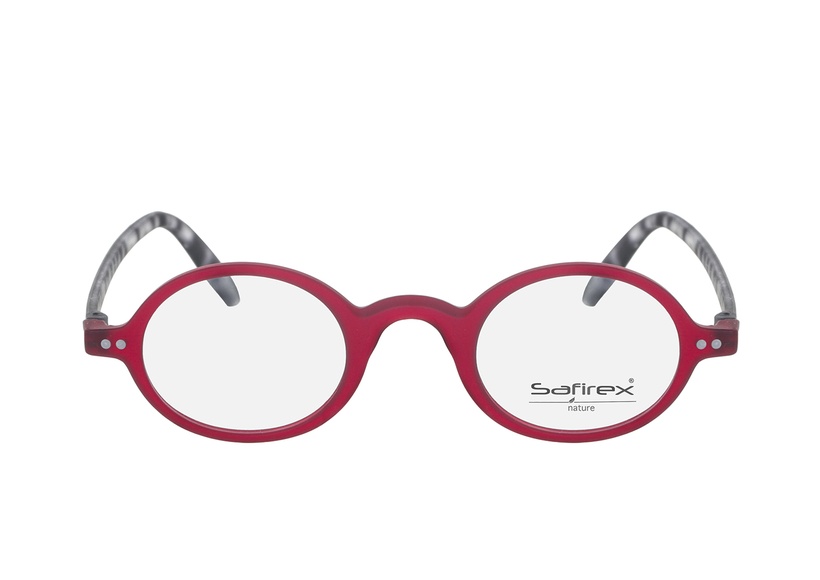
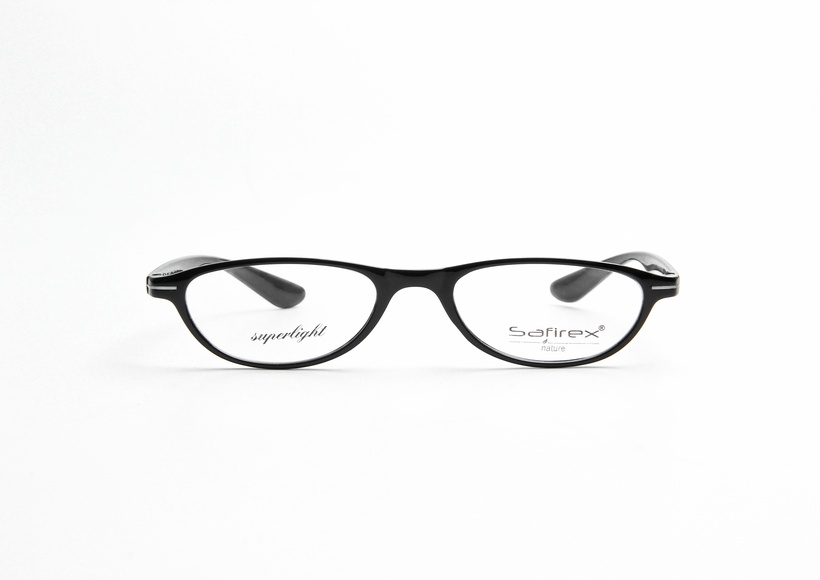
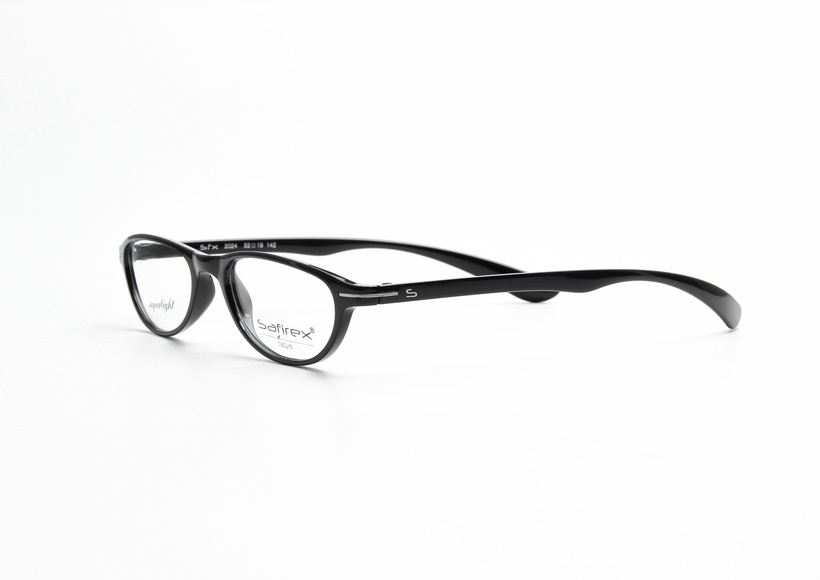
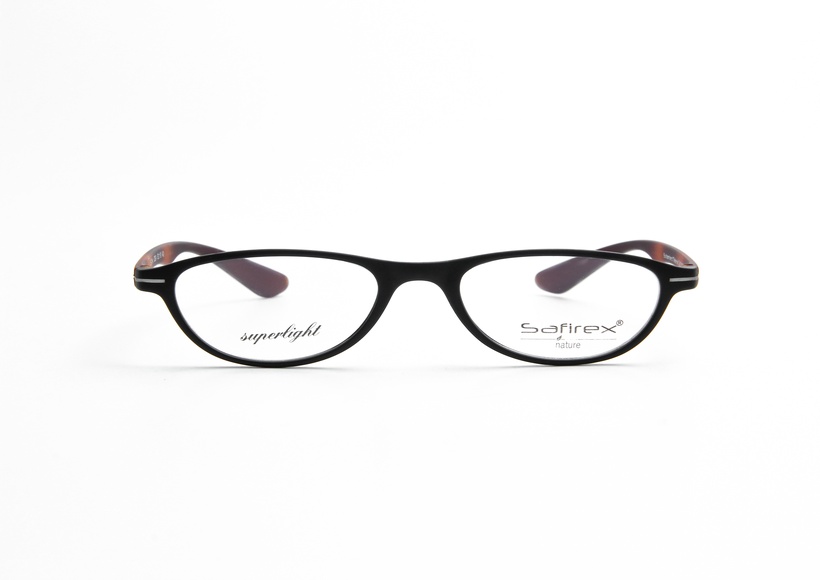
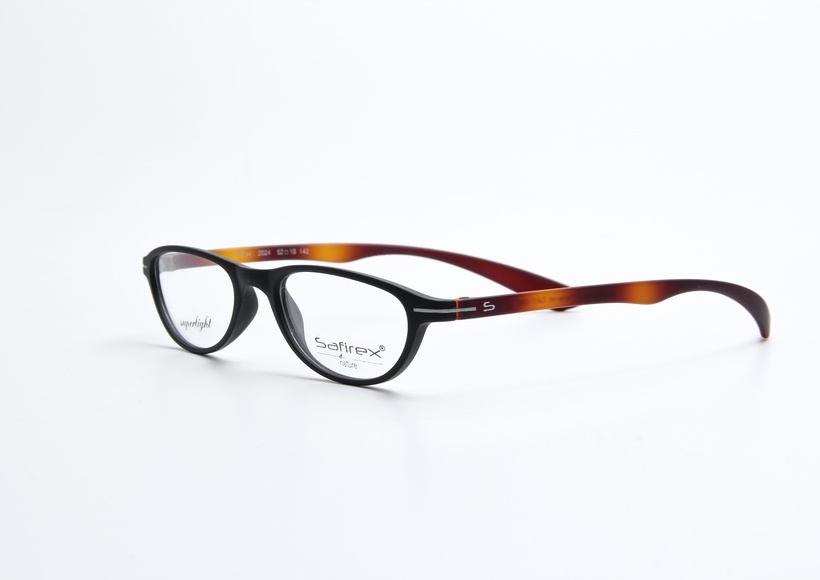
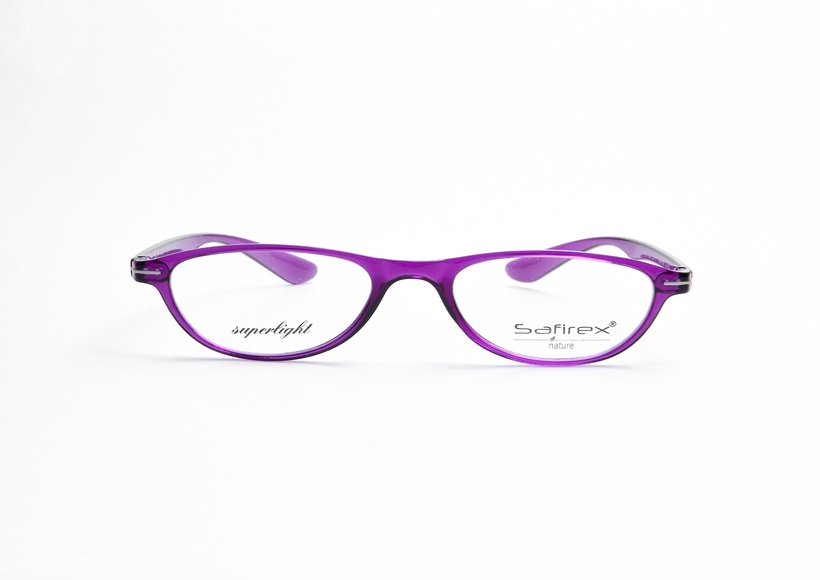
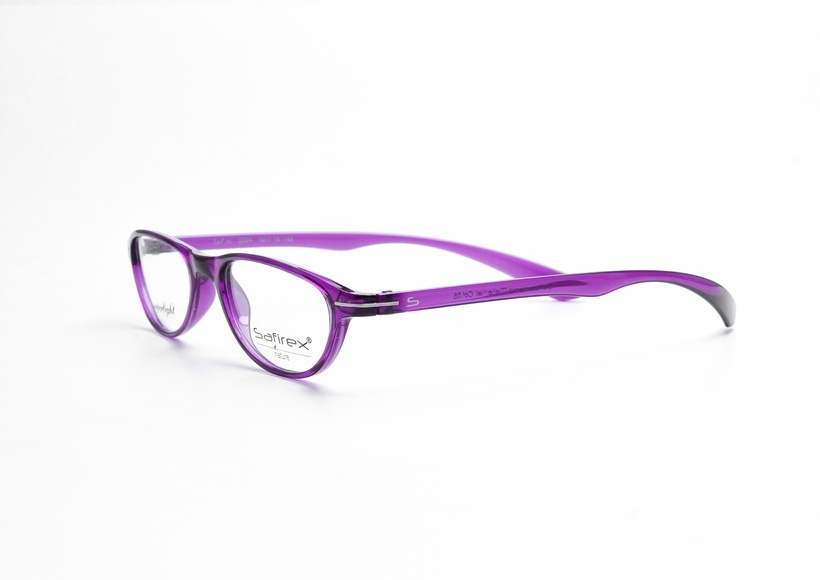
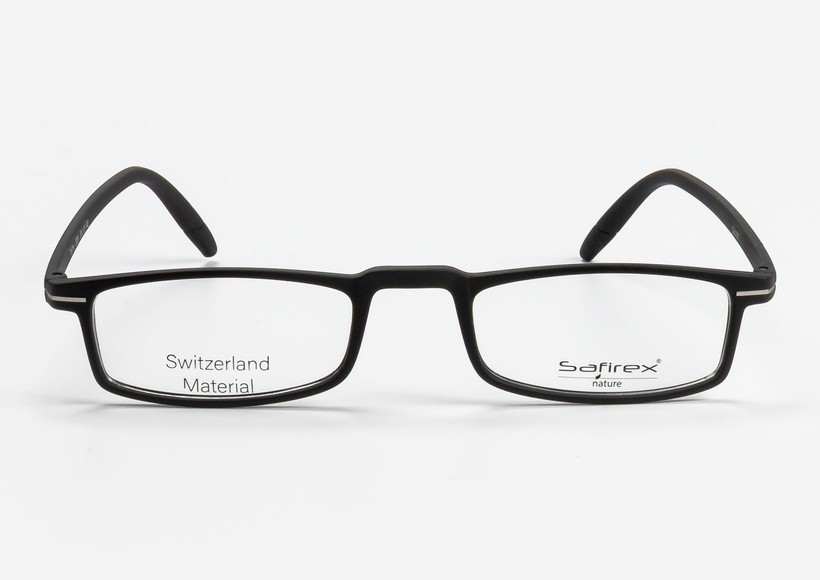
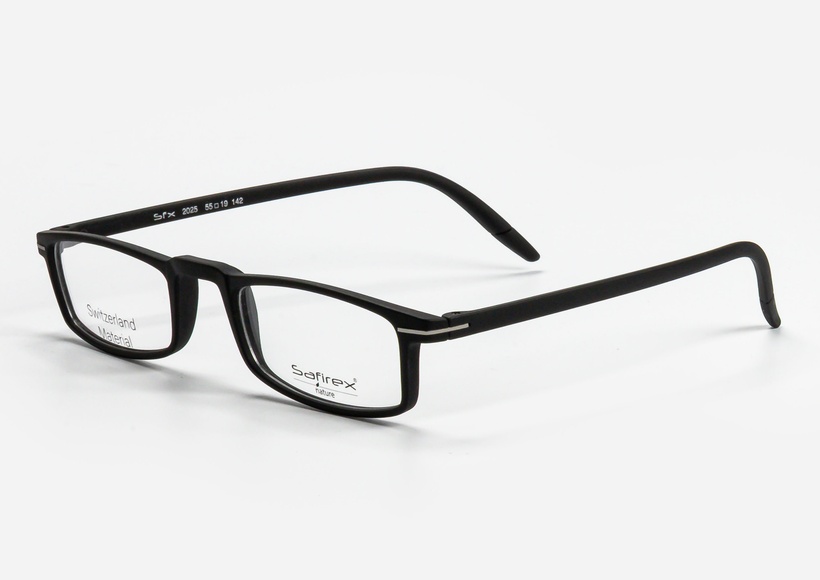
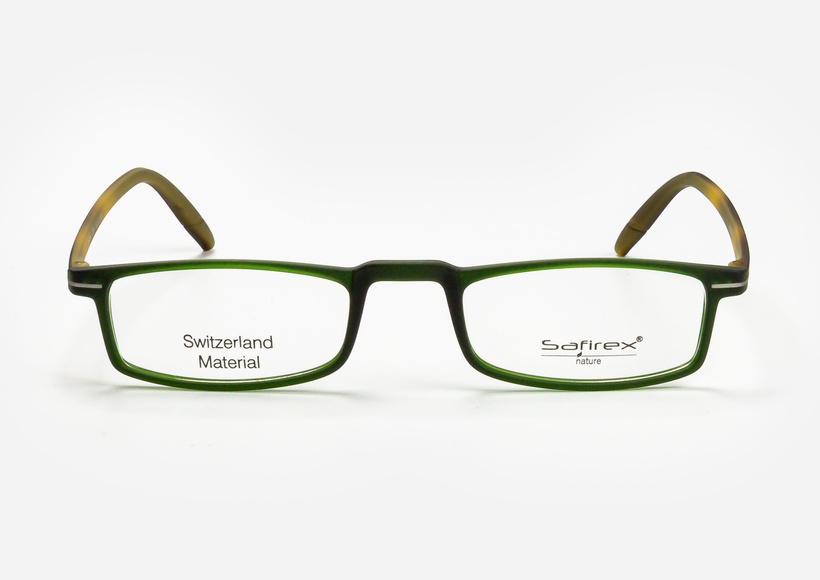
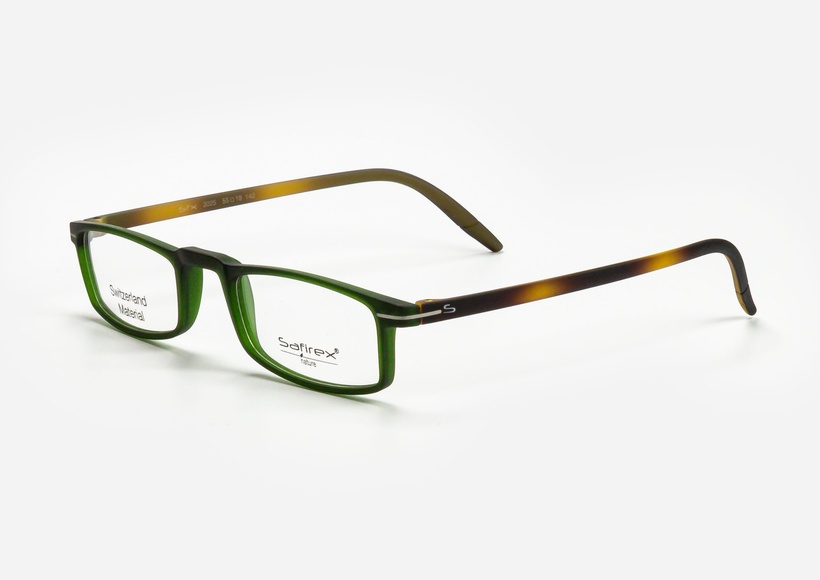
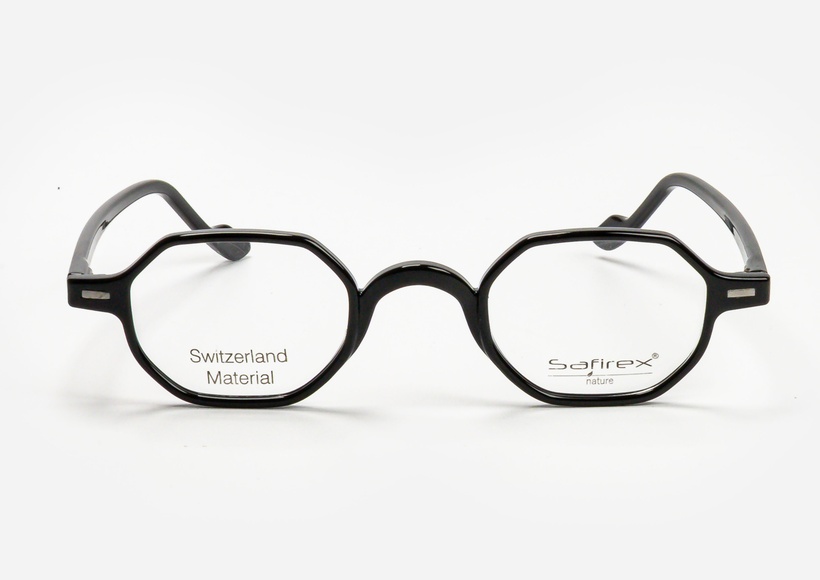
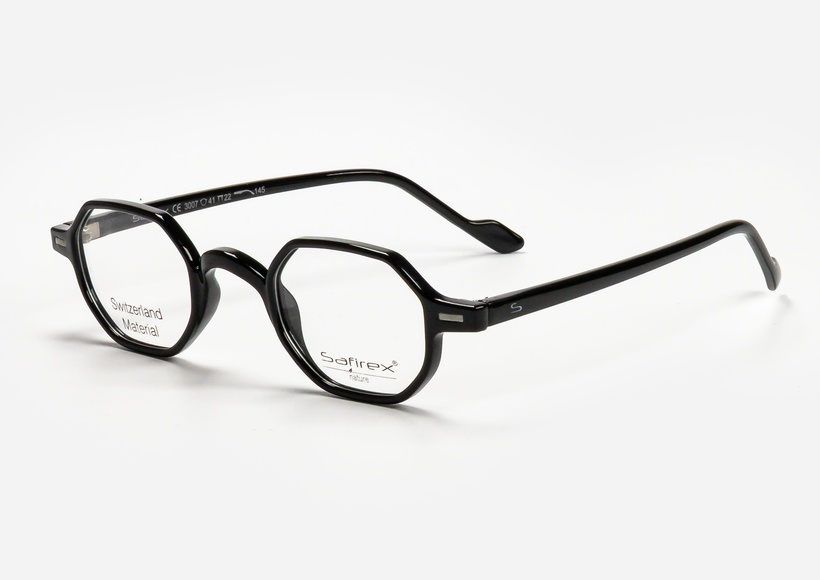
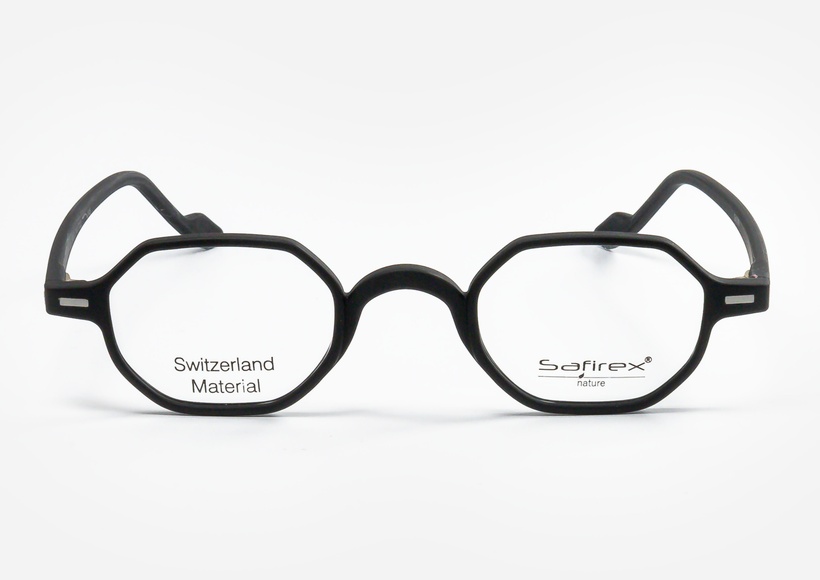
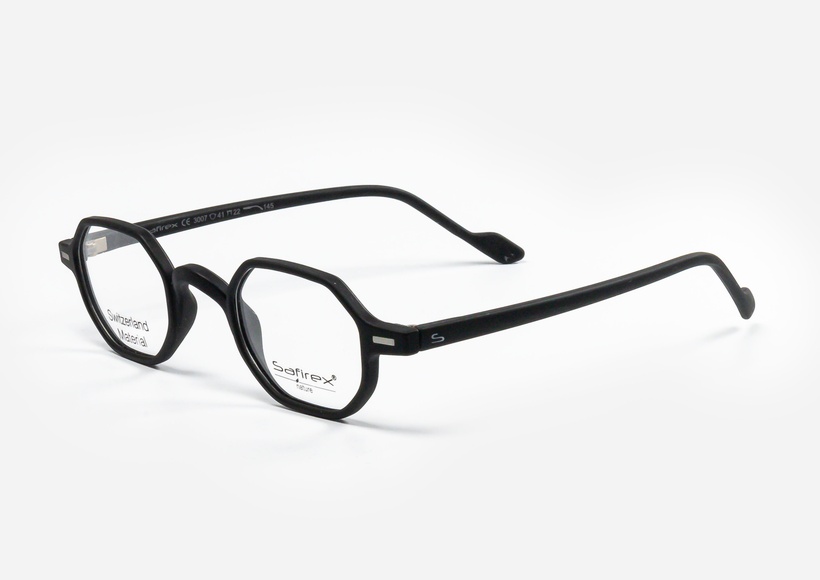
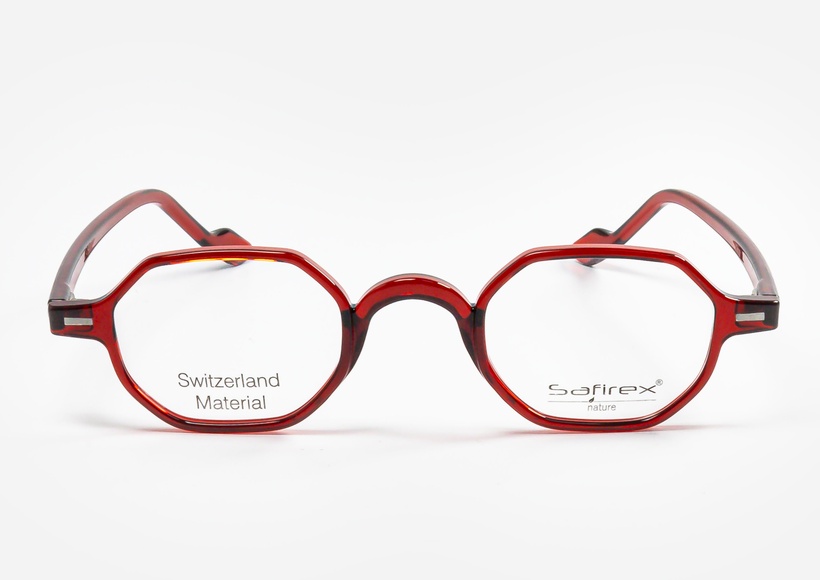
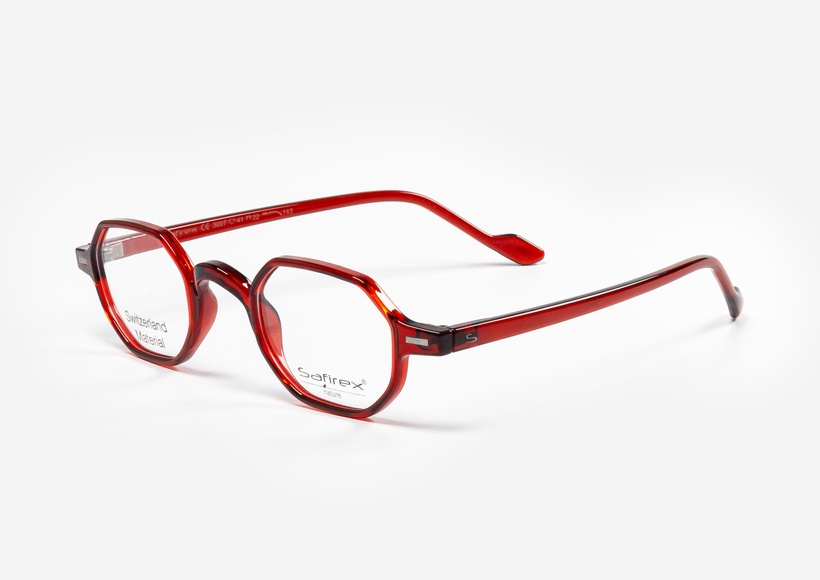
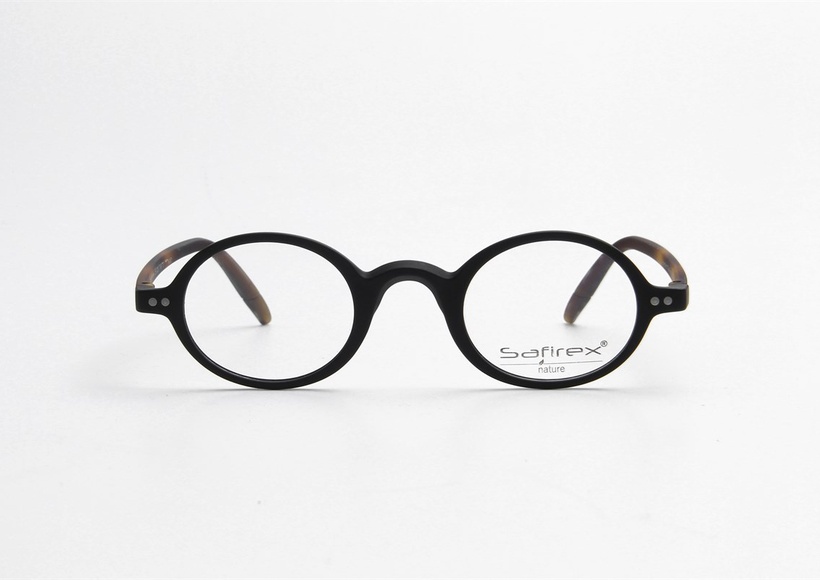
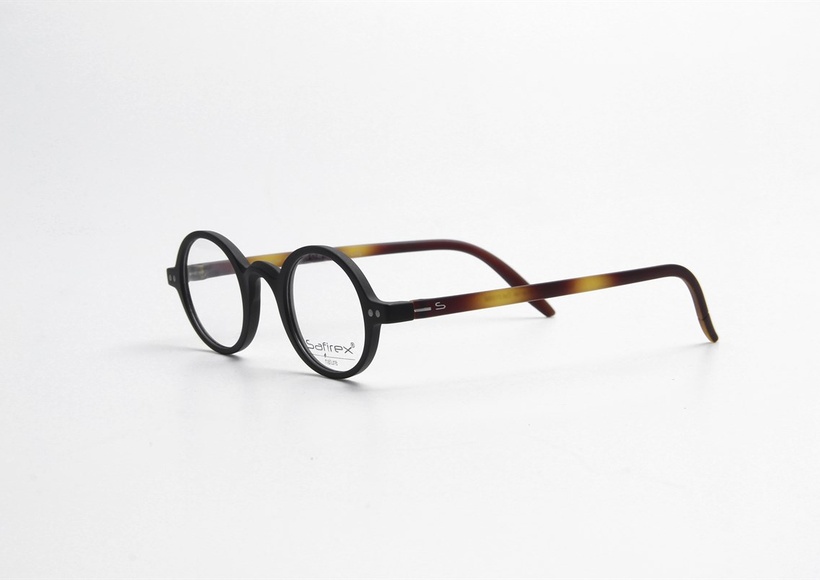
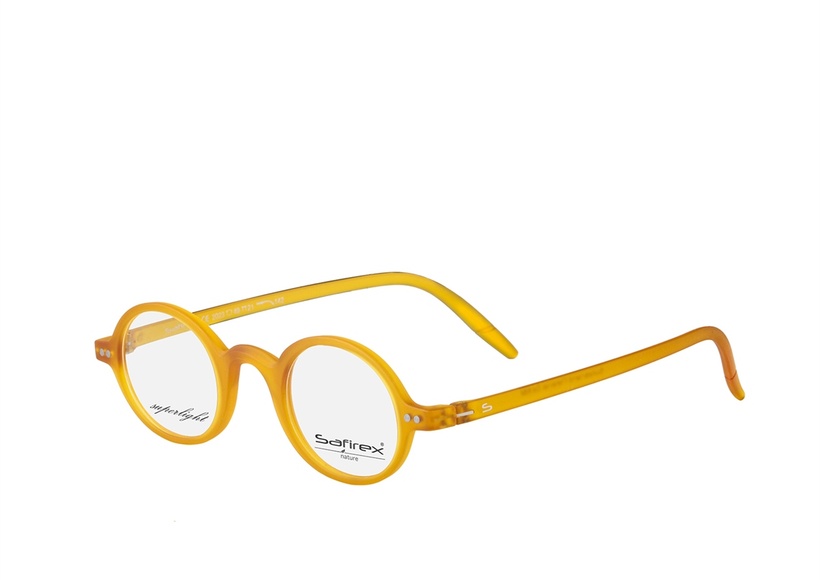
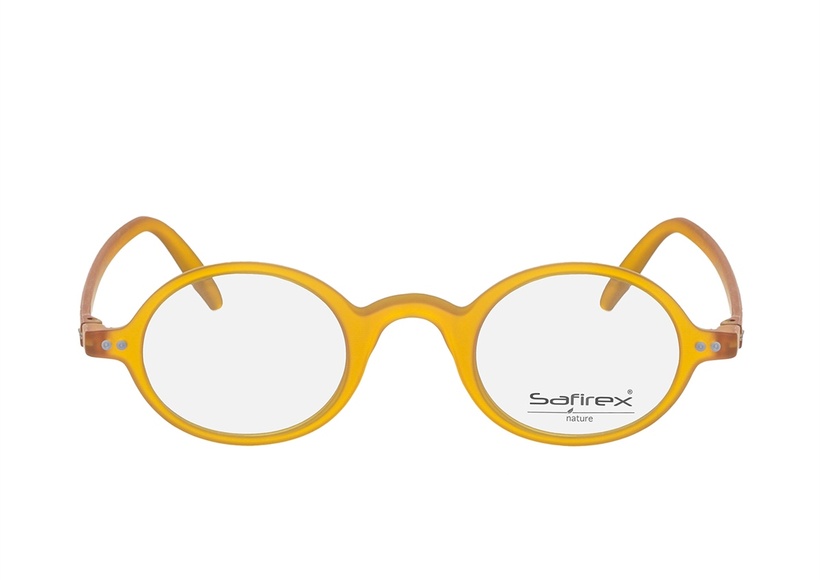
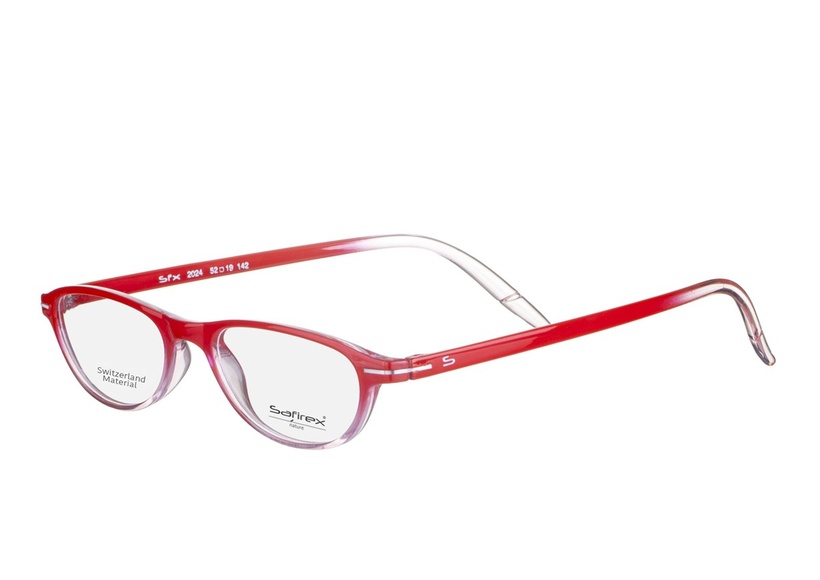
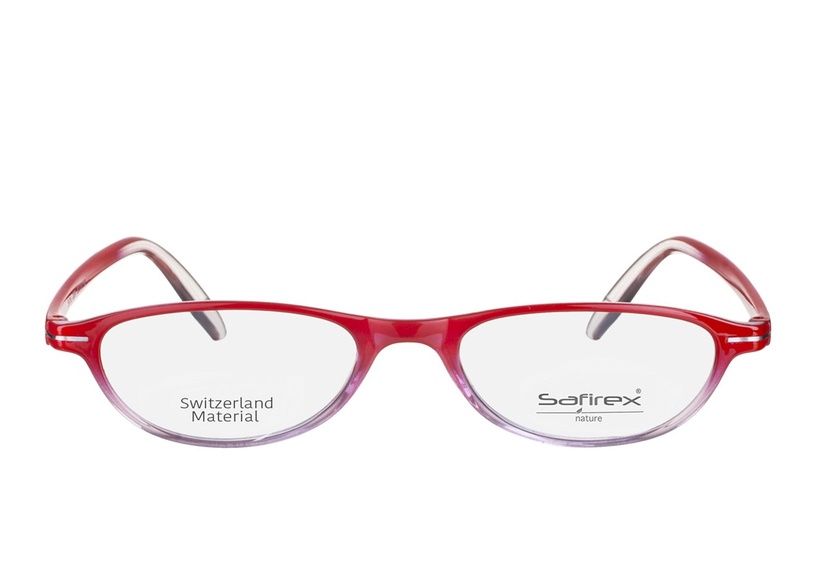
Each reader model comes in several frame colors, and each color in a full power assortment. Buyers choose the diopter steps and the quantity per power so retail shelves can be stocked without gaps between +1.00 and +3.50 D.
Ready-to-wear readers are complete spectacles with two single-vision lenses of equal positive spherical power, made without an individual prescription. They help with close work such as reading when the eye's ability to focus at near distances declines with age, a condition known as presbyopia.
Because readers are not made to a prescription, they are intended for near vision only. They do not correct differences between the two eyes or astigmatism, and they do not replace an eye examination. User information should advise wearers to keep having regular eye tests.
Readers are not centered for each wearer. This is why the standard limits unwanted prism at the lens reference points, so that most wearers can use them comfortably.
Lens power is given in diopters (D). ISO 16034 covers readers from +1.00 to +3.50 D, and the WHO summary guide on spectacle quality refers to steps of 0.25 D. Buyers choose the power assortment and the quantity per power for their market.
| Model | Style | Power range |
|---|---|---|
| 2023 | Full-rim rectangular | +1.00 to +3.50 D |
| 2024 | Full-rim oval | +1.00 to +3.50 D |
| 2025 | Half-rim | +1.00 to +3.00 D |
| 3007 | Full-rim round | +1.00 to +3.50 D |
| Safira 2023 | Full-rim classic | +1.00 to +3.50 D |
| Safira 2024 | Full-rim contemporary | +1.00 to +3.50 D |
ISO 16034 sets the minimum requirements for complete single-vision ready-to-wear near-vision spectacles. Tolerances apply at 23 ± 5 °C. Test reports from independent laboratories are available on request.
| Requirement | What it specifies |
|---|---|
| Power range | Equal nominal positive power in both lenses, from +1.00 to +3.50 D |
| Power tolerance | Tolerances on the declared power according to ISO 8980-1 |
| Prismatic tolerance | 0.33 cm/m horizontally per lens and 0.33 cm/m vertical imbalance between lenses, at the manufacturer's reference points |
| Lenses | Spectacle lenses in accordance with ISO 14889 |
| Frame | Frame in accordance with ISO 12870 |
| Lens retention | Lenses held securely, verified by the lens retention test of ISO 12870 |
| Marking | Permanent marking of manufacturer or distributor name or trademark and the declared spherical power |
| Information | Indications on packaging and instructions for use, including that the spectacles are for near vision only |
Each style suits a different wearer need and retail setting. Full-rim classics sell well in pharmacies, half-rim and folding styles suit travel kits, and round shapes are common in fashion-led optical chains.
The core of most assortments; suit everyday reading at home and at work.
A shallow lens lets the wearer read and then look over the top at distance.
Fold into a small case for pocket or handbag; a common counter and travel retail item.
Thin rims and adjustable nose pads for a more optical-style look.
TR90-type fronts that tolerate handling on display stands and in daily use.
A reading power combined with a tint for reading outdoors; confirm the applicable requirements for your market with your test laboratory.
An overview for importers. Confirm current rules with your regulatory adviser or test laboratory before launch.
| Market | Legal framework | Points to note |
|---|---|---|
| European Union | Medical Device Regulation (EU) 2017/745, Class I; CE marking | Technical documentation, labeling and instructions for use in local languages |
| United States | Magnifying spectacles, 21 CFR 886.5840, Class I, exempt from premarket notification | Establishment registration and device listing; impact-resistant lenses under 21 CFR 801.410 |
| Other markets | National medical device or consumer product rules | ISO 16034 is a common technical reference; check local registration and labeling rules |
All sizes are in millimeters in the boxing system of ISO 8624: lens size, distance between lenses and temple length. Temple markings follow ISO 12870 so retailers and opticians can read the size without a separate specification sheet.
| Model | Lens size | Distance between lenses | Temple length | Frame |
|---|---|---|---|---|
| 2023 | 52 | 18 | 140 | Plastic |
| 2024 | 53 | 17 | 140 | Plastic |
| 2025 | 51 | 18 | 135 | Plastic |
| 3007 | 50 | 19 | 140 | Plastic |
| Safira 2023 | 52 | 18 | 145 | Plastic |
| Safira 2024 | 54 | 17 | 145 | Plastic |
Readers are often sold self-service, so the power must be easy to find on the shelf. Tags, barcodes and pouch or tray labels show the diopter clearly; we confirm the packaging language and layout on samples before bulk production.
Declared power marked on the frame, plus a lens sticker or label for the shelf.
Hang-tags with power, model and barcode for each power, ready for retail systems.
Sleeves, soft pouches or hard cases, depending on price position.
Trays organized by power for counters and pharmacies, from our accessories range.
Cartons packed and labeled by model, color and power for easy restocking.
Near-vision-only advice and eye-test recommendation in the languages of the destination market.
Production
Plastic and TR90-type reader frames pass through the full production line in our Istanbul factory. All stages are shown on our manufacturing page.
Fronts and temples are molded in steel molds.
Vibration and sanding, then painting, UV printing or flat color.
Hinges and temples are fitted, frames are checked, washed and varnished.
Lenses of the specified power are fitted and checked for secure retention.
Brand name and declared power are printed on the frame.
Each pair is checked and packed by power with tags, pouches and labels.
Most checks on a reader order concern lens power: which powers are packed and how each pair is marked. Focimeter checks at pre-final and final inspection follow ISO 16034 tolerances so every pair matches the marked diopter.
| Item | What it covers |
|---|---|
| Power assortment and quantities | Which powers, in which steps, and how many pieces per power and color |
| ISO 16034 test report | Confirms power and prism tolerances, lens retention and marking |
| Power verification | Lens power on sample pairs is measured with a focimeter at pre-final and final inspection on five pairs per power and color. |
| Impact test records (US) | Drop-ball results per production batch under 21 CFR 801.410 |
| Marking and labeling plan | Power marking, conformity marking and user information for each market |
| Packaging and display specification | Tags, barcodes, pouches and trays agreed before production |
| Inspection plan | Sampling per ISO 2859-1 at an AQL level agreed with the buyer |
| Export documents | Commercial invoice, packing list, certificate of origin, and an A.TR movement certificate for EU shipments |
Solid, transparent and two-tone frames, or UV-printed temples.
The powers and quantities your market needs, packed and labeled by power.
Your brand name and the declared power printed on the frame.
Branded hang-tags, pouches, cases and display trays.
ISO 16034 specifies requirements for single-vision ready-to-wear near-vision spectacles. In the EU, ready-made readers are Class I medical devices under Regulation (EU) 2017/745.
ISO 16034 covers readers with two lenses of equal positive spherical power from +1.00 to +3.50 diopters. The WHO summary guide on quality standards for spectacles refers to steps of 0.25 diopters.
Under ISO 16034, readers are permanently marked with at least the name or trademark of the manufacturer or distributor and the declared spherical power in diopters.
The FDA classifies magnifying spectacles under 21 CFR 886.5840 as Class I devices exempt from premarket notification. Establishment registration, device listing and labeling requirements still apply, and the lenses must be impact resistant under 21 CFR 801.410.
Ready-made readers are not centered for each wearer. ISO 16034 therefore limits unwanted prismatic power at the manufacturer's reference points to 0.33 cm/m horizontally per lens and 0.33 cm/m vertical imbalance between the lenses.
No. Ready-to-wear readers are intended for near vision only, and wearers should continue to have regular eye examinations. User information should say so.
Yes. Readers can be supplied with hang-tags or labels showing the lens power, sleeves or cases, and display trays.
Reading glasses are classified under HS subheading 9004.90, spectacles other than sunglasses. National tariff lines add further digits, so confirm the full code with your customs broker.
Send the model codes, colors, power assortment, quantities and destination market. We reply with a specification and quotation.