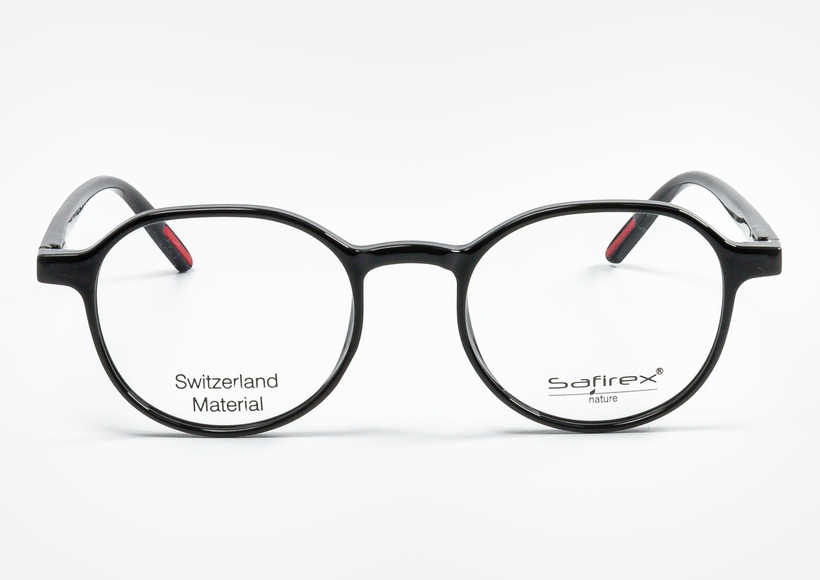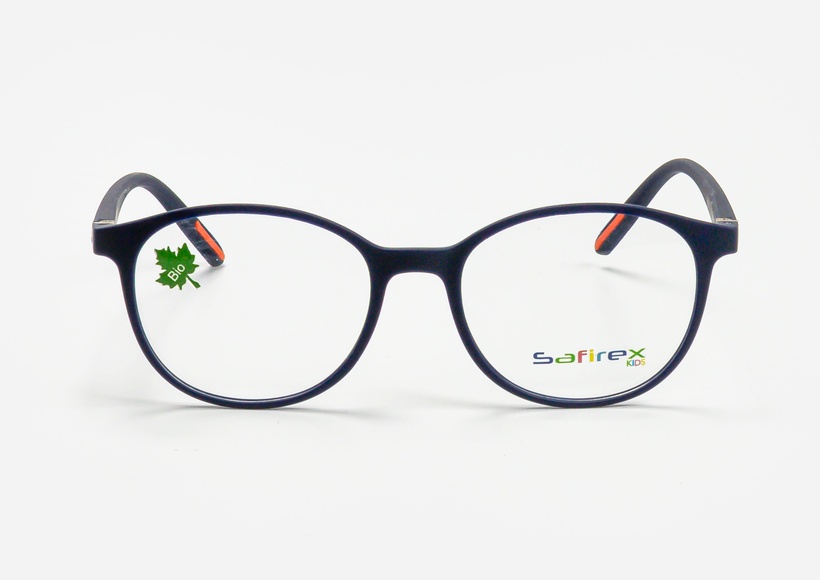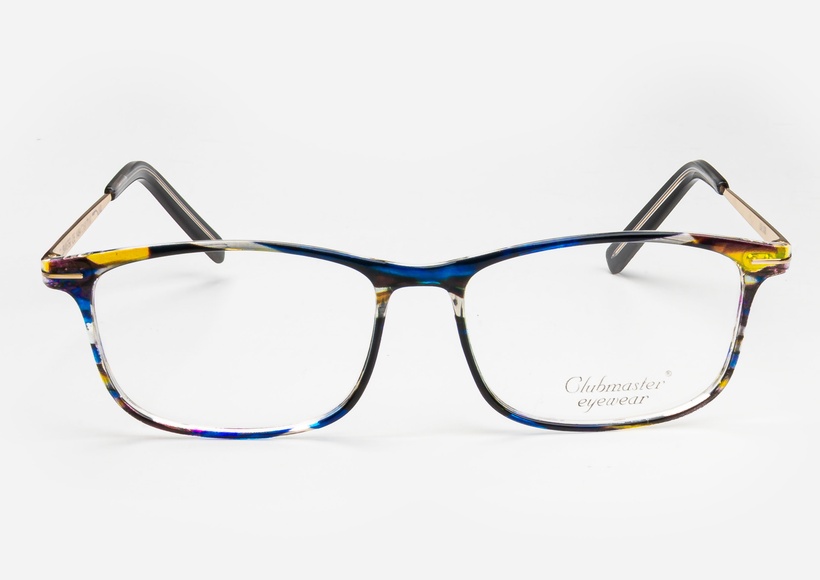
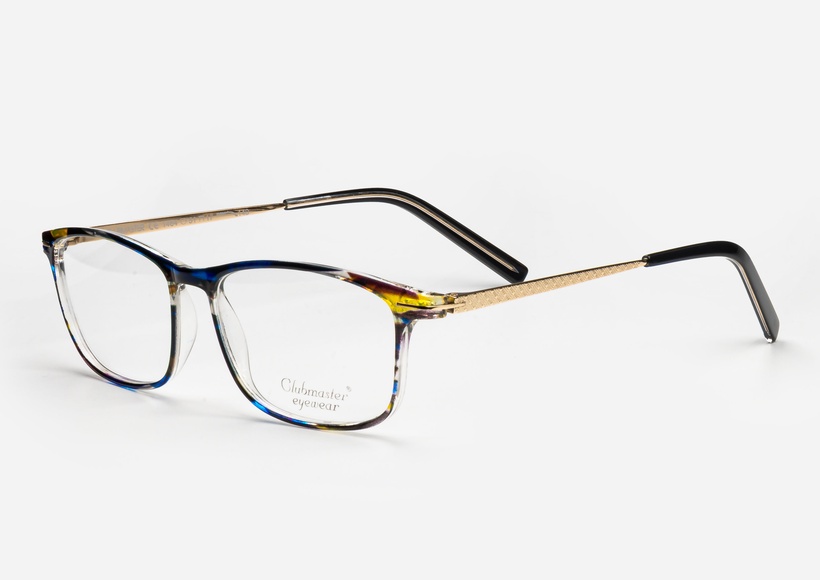

This page is the metal optical collection: stainless steel and titanium frames, supplied with demo lenses and a boxing-system size mark. It is not the whole optical catalog. Model 1464 is also listed under Thin Series.
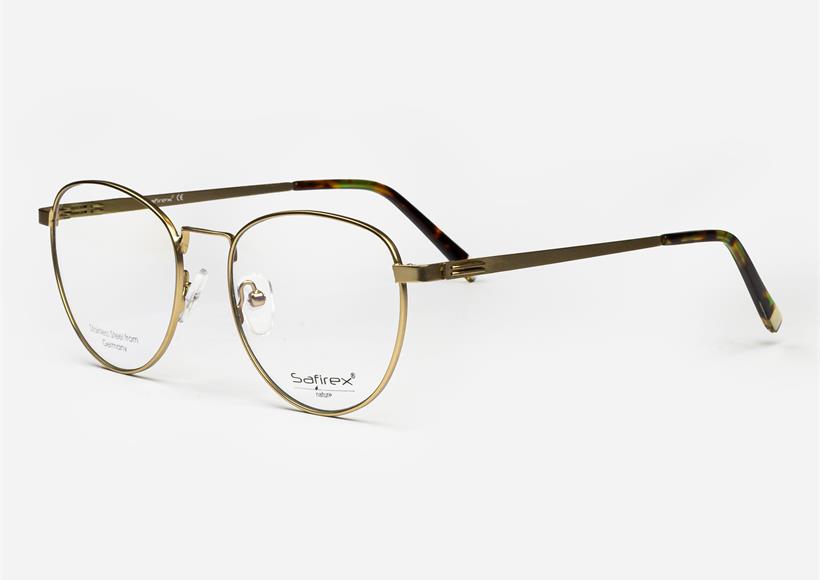
Each tile is one stainless steel or titanium model and color from our metal frame wholesale line. Titles match model and color codes on quotations and packing lists. Thirteen sample colorways are shown. Model 1464 is also listed under thin series when ordered with a plastic temple variant.
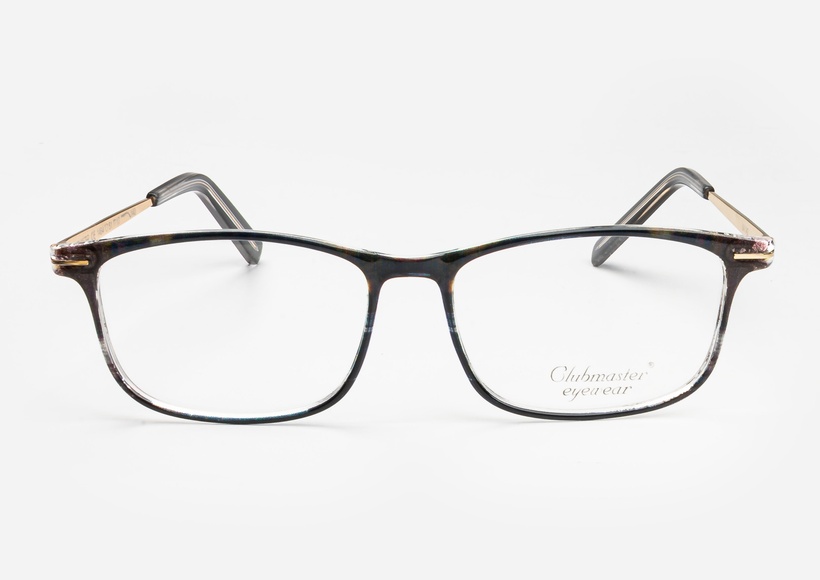
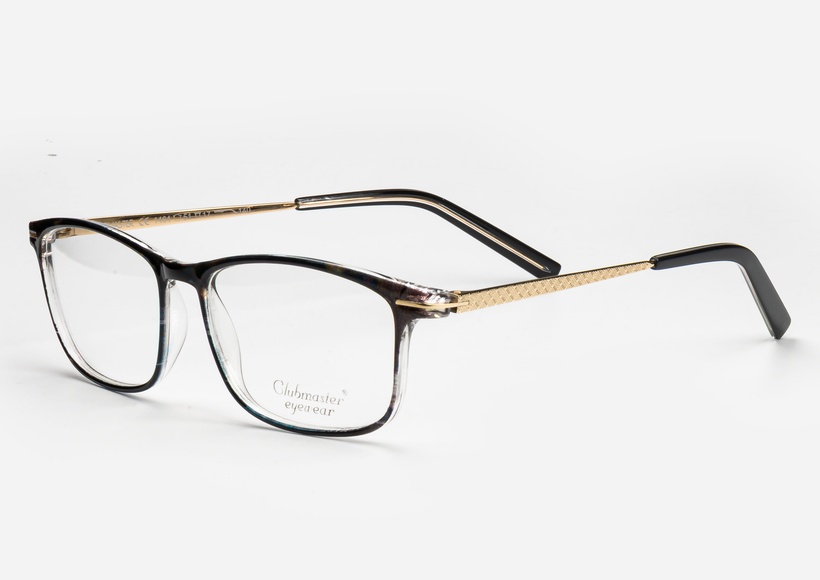
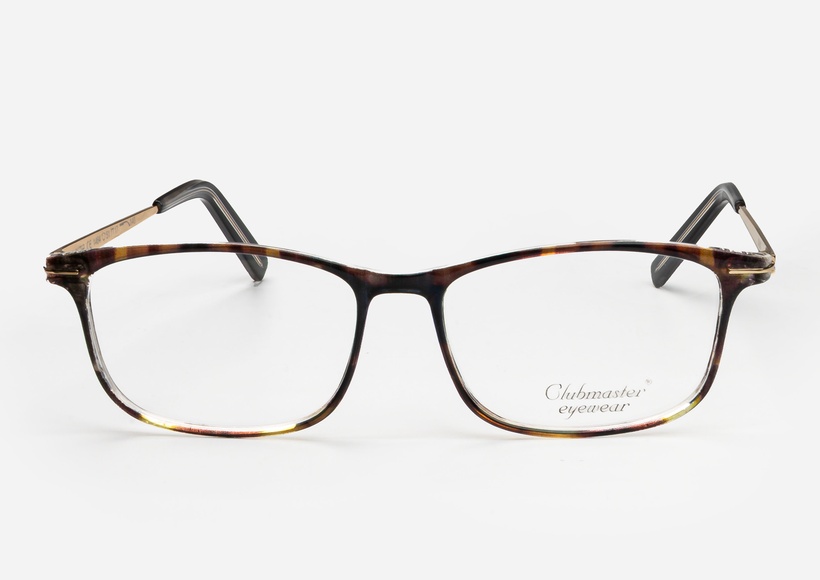
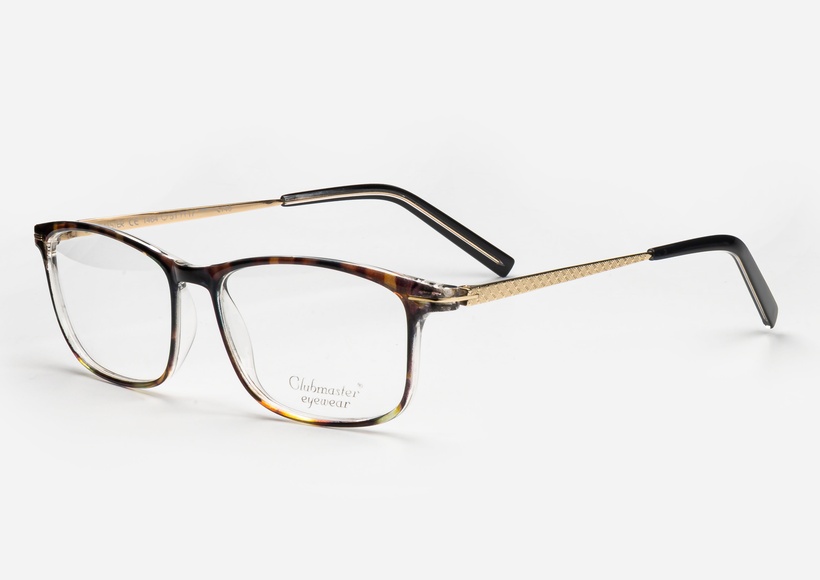
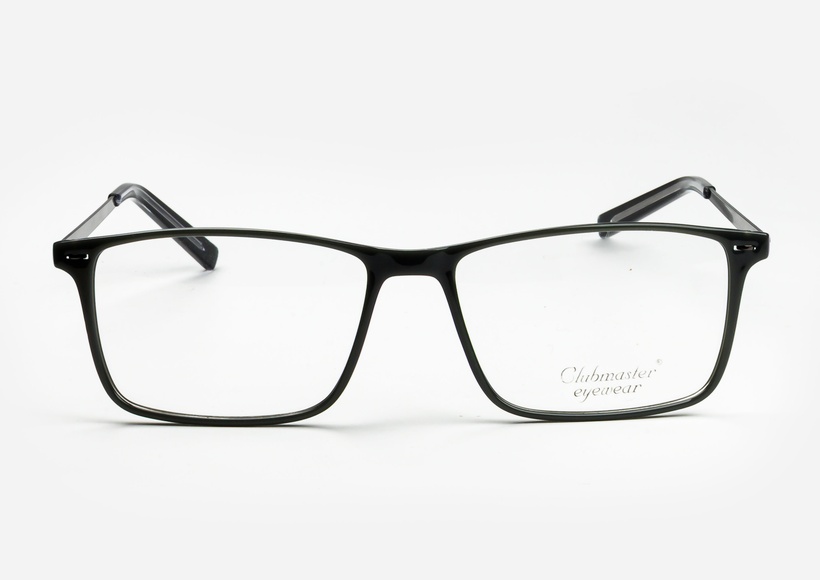
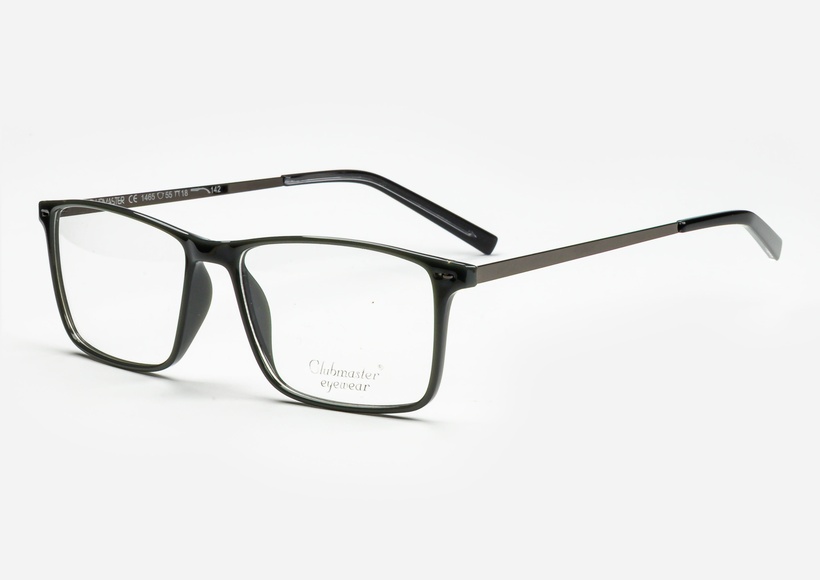
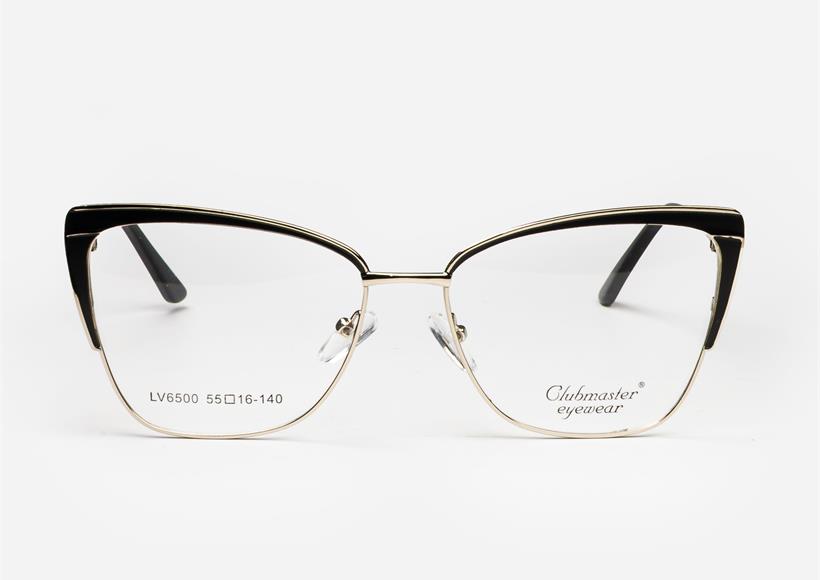
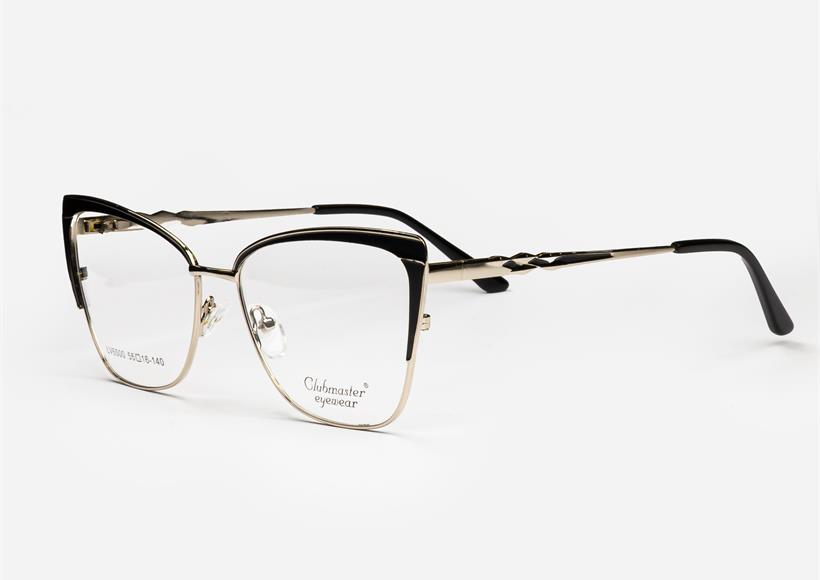
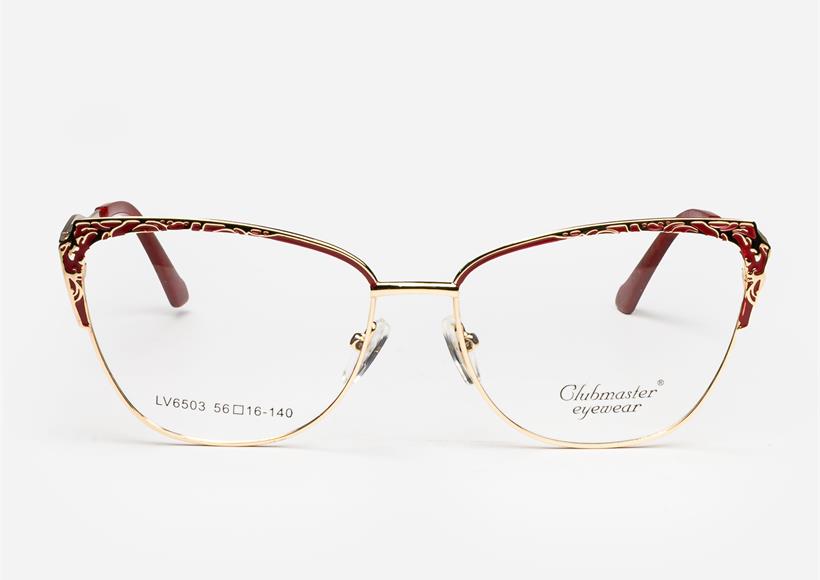
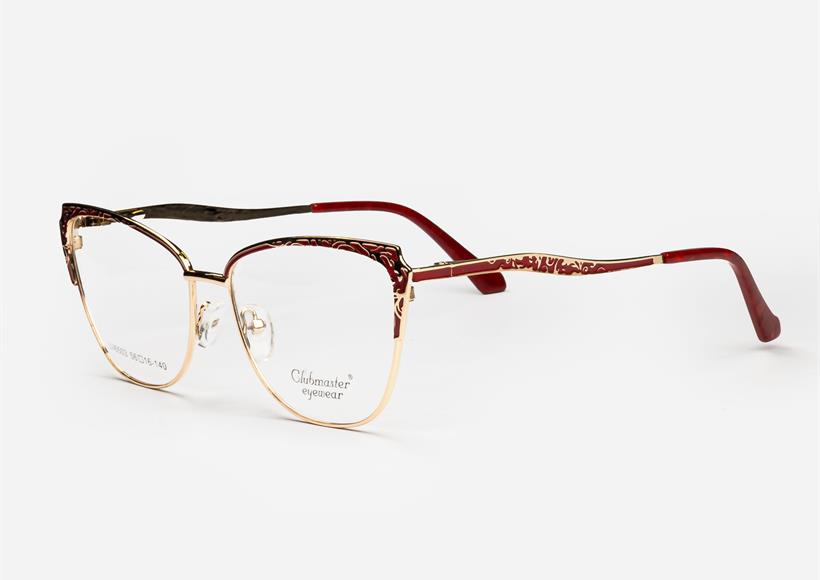
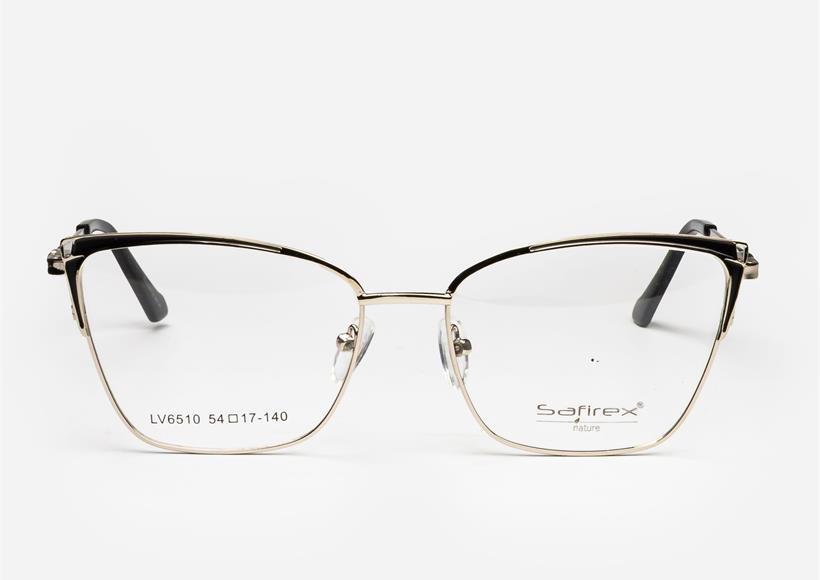
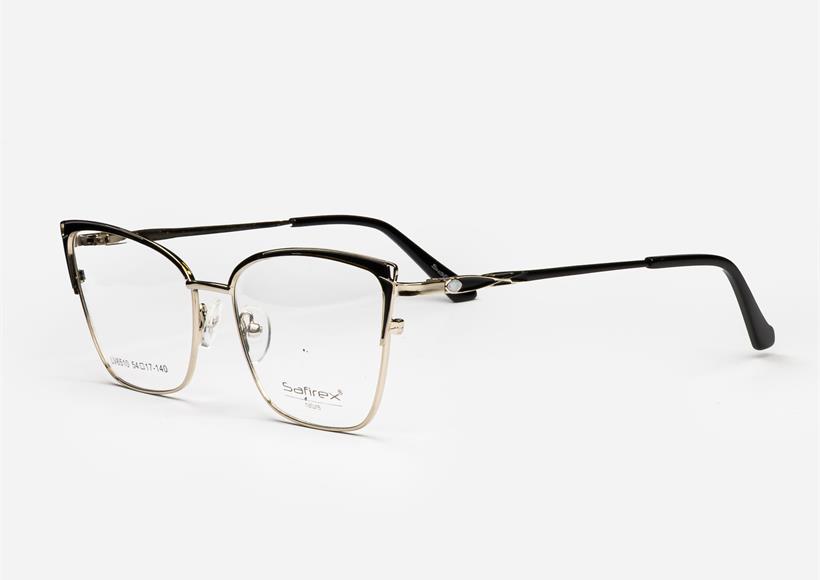
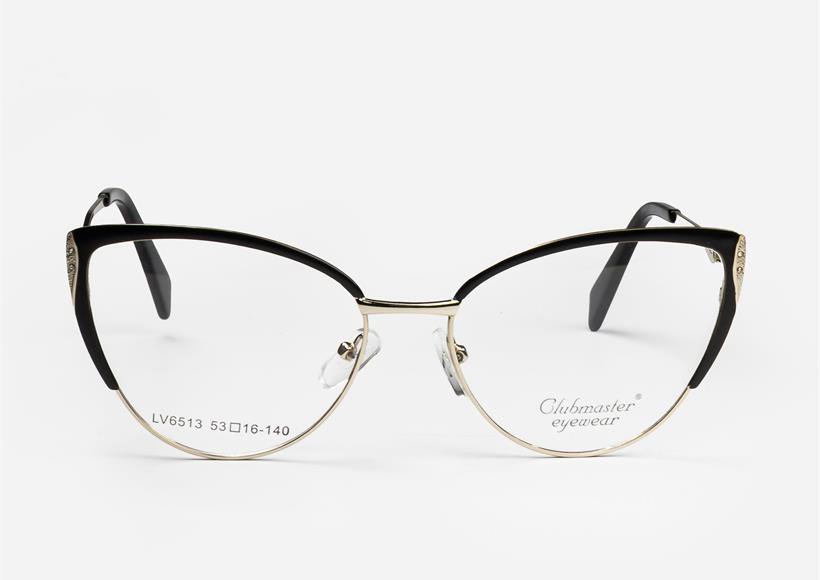
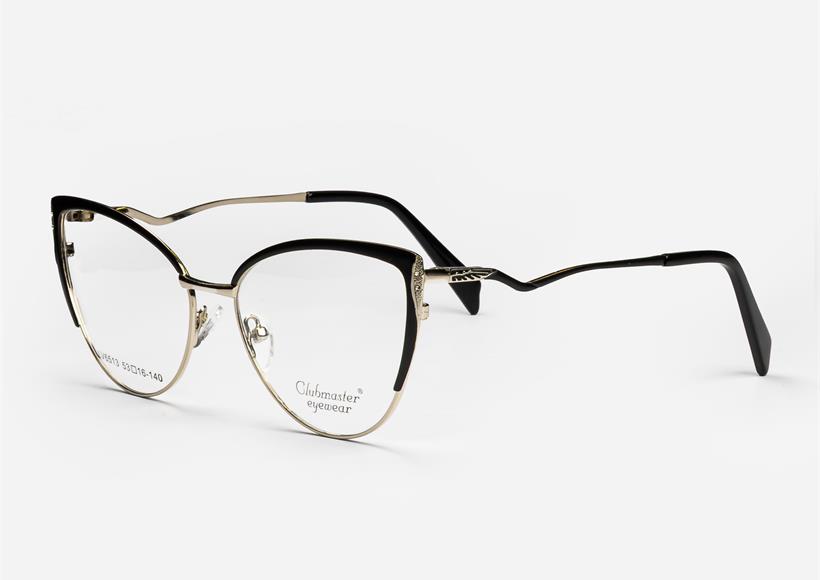
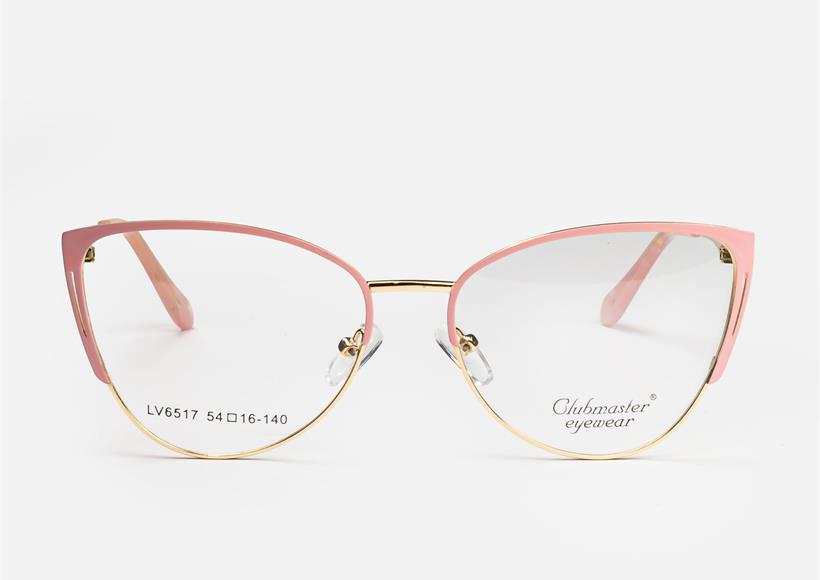
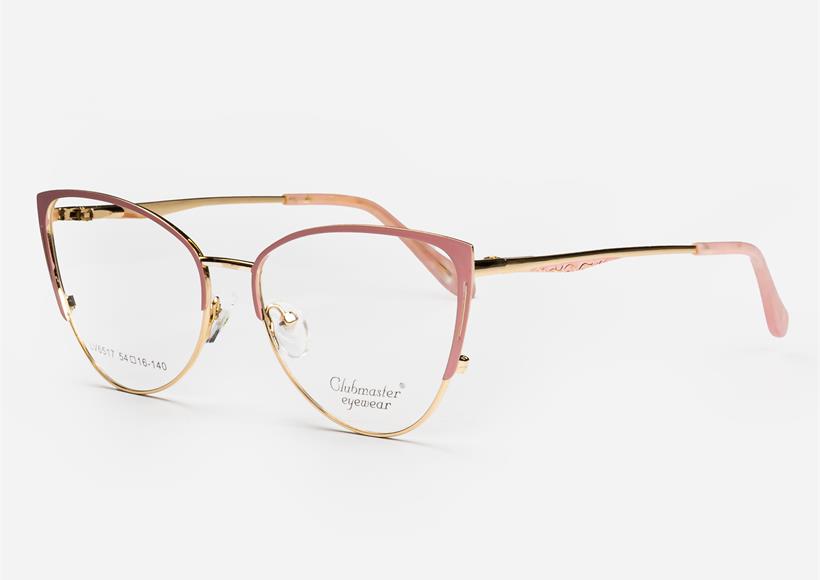
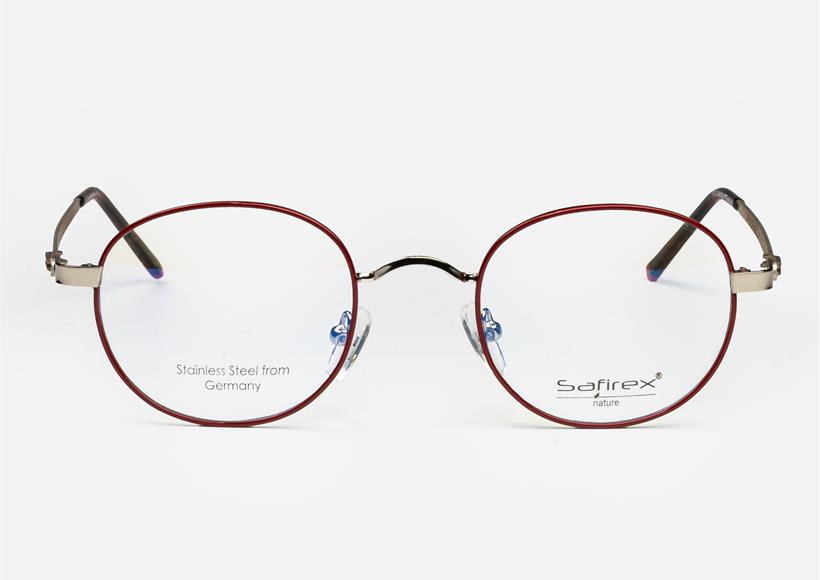
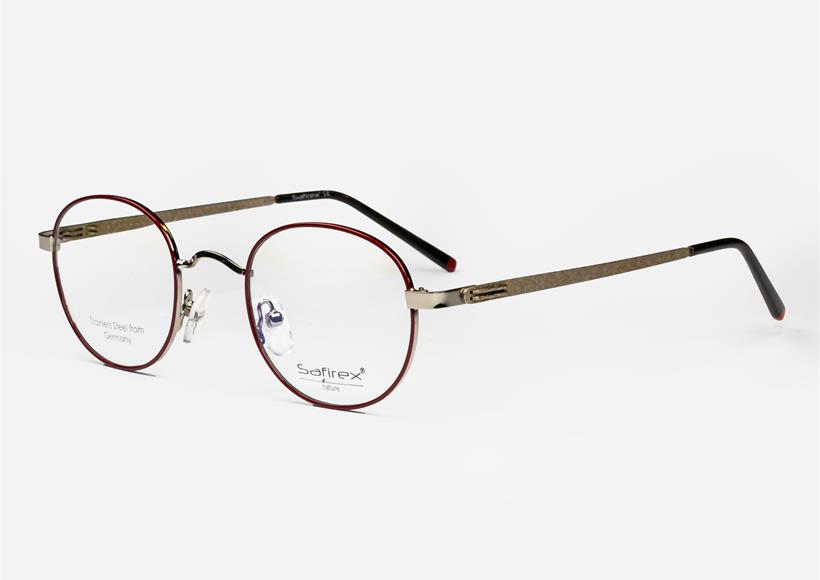
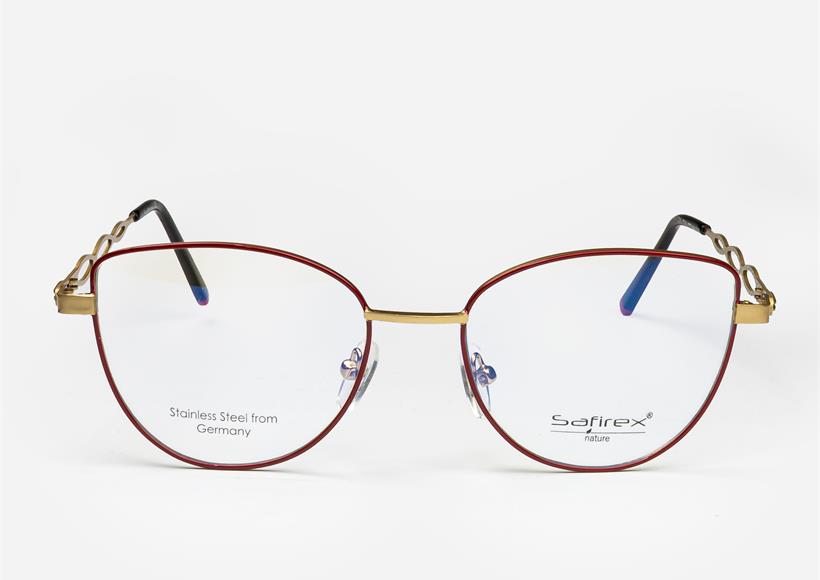
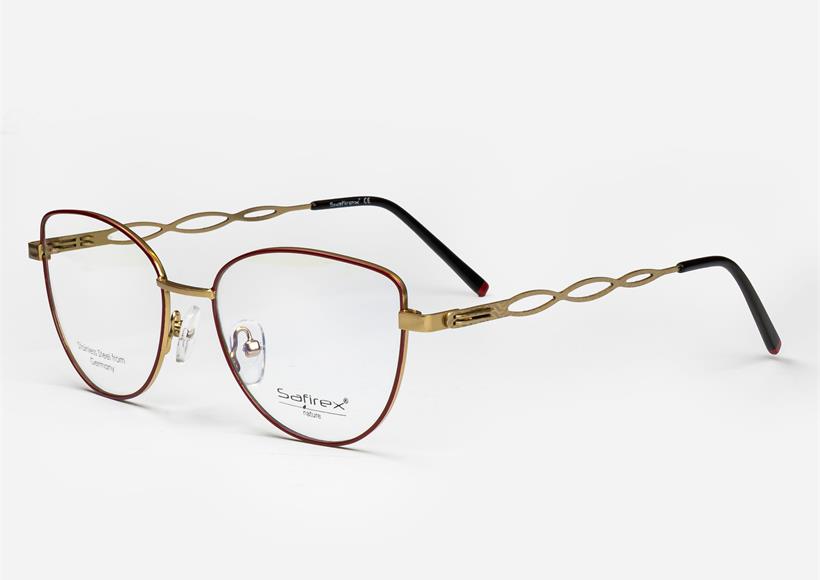
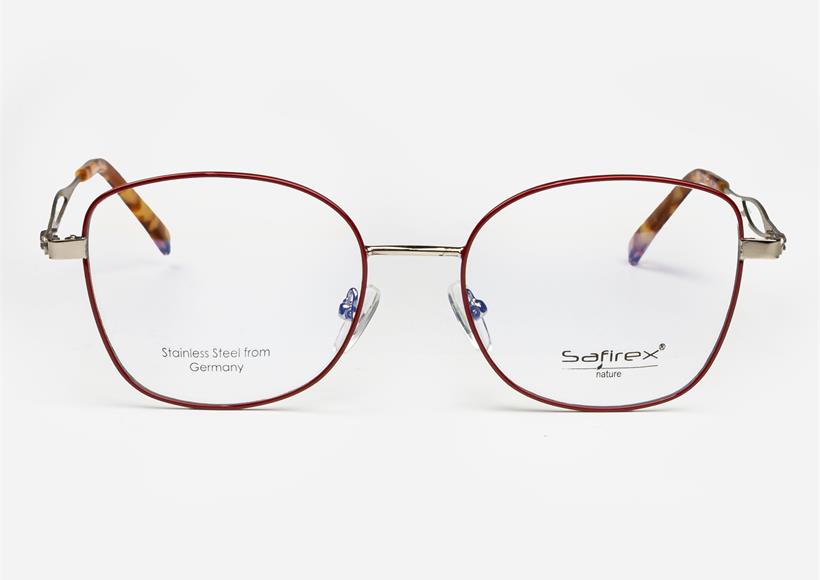
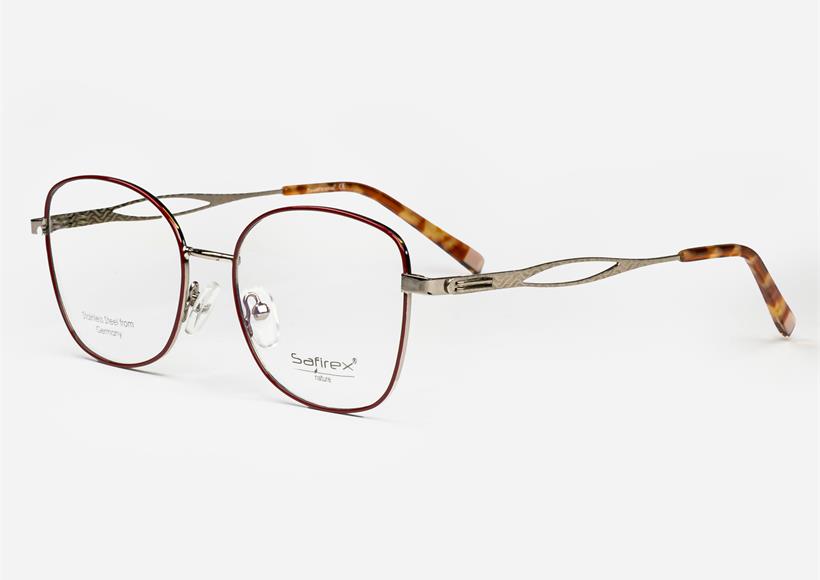
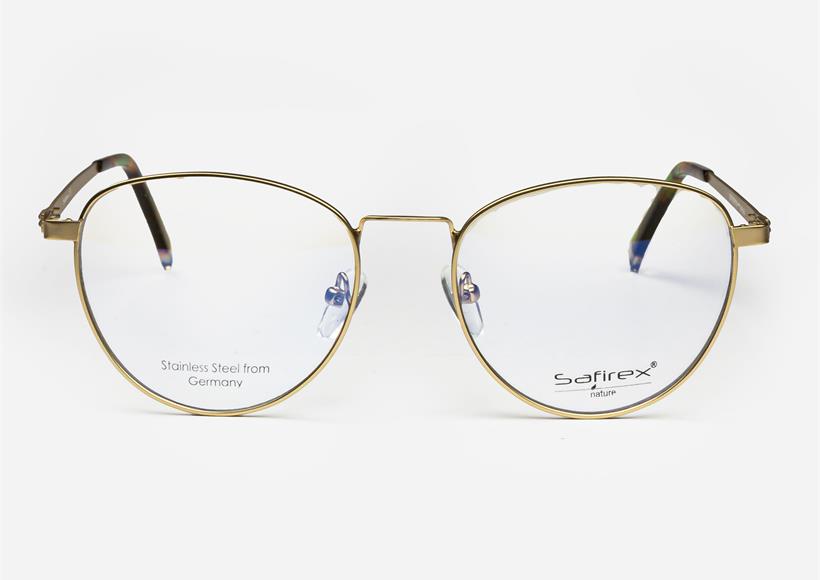
The figures below summarize the active catalog for this product group. Sample colorways on this page are a subset; bulk programs can draw on the wider model and color list held in Istanbul, with lead times confirmed on quotation.
The base metal sets a frame's weight, flexibility, nickel content and price position. We build our metal range in stainless steel and titanium. The table also lists other common frame metals for reference.
| Material | Composition | Density | Nickel | Characteristics |
|---|---|---|---|---|
| Titanium (commercially pure) | Unalloyed titanium | About 4.5 g/cm³ | Nickel-free | Light, corrosion-resistant, holds adjustment; needs specialised welding |
| Beta titanium | Titanium alloyed with elements such as vanadium, chromium or aluminum | About 4.8 g/cm³ | Usually nickel-free | More flexible than pure titanium; allows thinner temples and rims |
| Stainless steel 304 / 316L | Iron-chromium-nickel alloy | About 7.9 g/cm³ | About 8 to 10.5% (304), 10 to 14% (316L) | Rigid, corrosion-resistant, suits slim profiles at moderate cost |
| Monel | Nickel-copper alloy | About 8.8 g/cm³ | About two-thirds nickel | Easy to shape and plate; needs a barrier coating for skin contact |
| Nickel silver | Copper-nickel-zinc alloy, contains no silver | About 8.7 g/cm³ | Typically 10 to 20% | Used for hinges, bridges and economical frames; normally plated |
| Nickel-titanium (memory metal) | Roughly equal atomic parts of nickel and titanium | About 6.5 g/cm³ | About 55% by weight | Superelastic, returns to shape; see our memory frames |
These choices affect lens compatibility, fit adjustment and after-sales service at the optician. Full-rim, half-rim and rimless builds, spring or barrel hinges, and screw-in or push-in pads are selected with the buyer before the mold and decoration route are locked.
The lens sits in a groove around the whole rim and is locked by a rim-lock screw. It suits all lens powers and the widest range of shapes.
An upper metal rim holds the top of the lens; a nylon thread in a groove cut into the lens edge holds the bottom. The look is lighter, but the lens needs grooving at the lab.
Bridge and temples are fixed through holes drilled in the lens. It is the lightest construction, but it relies on lens material strength and careful drilling.
A screw passes through interlocking barrels on the front and temple. It has few parts and an optician can repair it with a standard screwdriver.
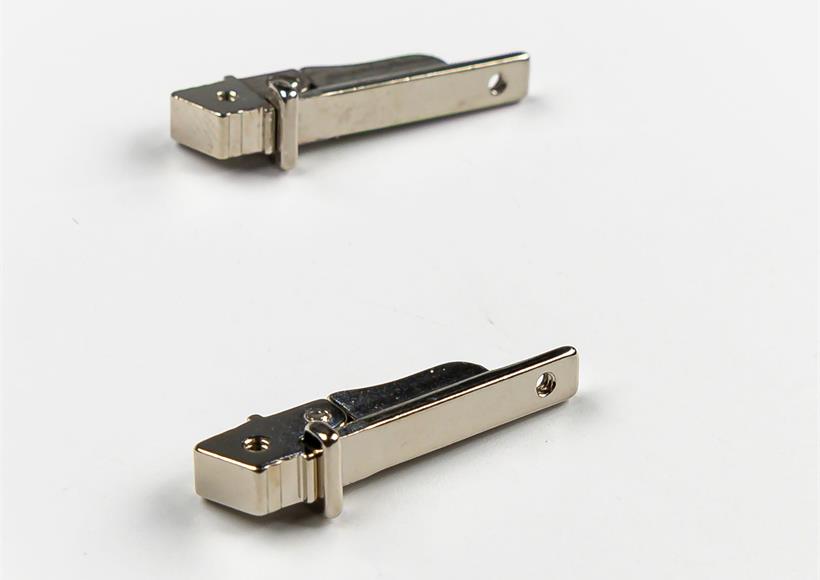
A sprung mechanism lets the temple open beyond its normal angle and return. It reduces stress on the frame when glasses are put on with one hand.
Pad arms let opticians set pad angle and height for each wearer. Pads attach by screw or push-in fitting, so they are easy to replace from our spare parts range.
The finish gives a metal frame its color and is also the layer that touches the skin. For EU frames, coated parts are tested for nickel release after a simulated wear and corrosion pretreatment.
| Finish | How it is applied | Specification fields |
|---|---|---|
| Electroplating | Metal layers deposited from a chemical bath using electric current | Color reference, layer structure and a nickel-free or barrier top layer for skin-contact areas |
| Ion plating (PVD) | Vacuum process that deposits a thin, dense coating from vaporised material | Color reference; suits gold, gunmetal, black and rose tones |
| Anodizing | Electrochemical oxide layer grown on titanium or aluminum; color comes from layer thickness | Only for titanium or aluminum parts |
| Lacquer and paint | Colored coating sprayed or applied by hand, then cured | Matte or gloss effect, color reference, two-tone layout |
| Clear varnish | Transparent protective layer over color or print | Gloss level; protects color and print from wear |
All sizes are in millimeters, using the boxing system of ISO 8624. A marking such as 54□17-145 means lens size, distance between lenses and temple length. ISO 12870 allows ±0.5 mm on lens size and distance between lenses, and ±2.0 mm on temple length; we check marked sizes at final inspection before packing.
| Model | Lens size | Distance between lenses | Temple length | Material |
|---|---|---|---|---|
| 1464 | 52 | 18 | 145 | Stainless steel |
| 1465 | 54 | 17 | 145 | Stainless steel |
ISO 12870 sets the basic requirements for unglazed spectacle frames sold by the manufacturer to the retailer. For the EU market, nickel release from skin-contact parts is regulated separately. Test reports come from independent laboratories on request.
| Requirement | What it checks | Reference |
|---|---|---|
| Dimensional tolerance | Marked lens size and distance between lenses within ±0.5 mm, temple length within ±2.0 mm | ISO 12870, measured per ISO 8624 |
| Dimensional stability | Shape change after 2 hours at 55 ± 5 °C | ISO 12870 |
| Resistance to perspiration | No spotting, color change, corrosion or coating separation after exposure to artificial sweat | ISO 12870 |
| Bridge deformation and lens retention | Permanent bridge deformation and lens security under a defined load | ISO 12870 |
| Endurance | No fracture and limited permanent deformation after 500 opening cycles of the temples | ISO 12870 |
| Resistance to ignition | No continued burning after contact with a heated steel rod | ISO 12870 |
| Nickel release | Release from skin-contact parts no higher than 0.5 µg/cm² per week | REACH Annex XVII entry 27; test method EN 16128 |
| Wear simulation before nickel test | Simulated wear and corrosion of coated parts before release testing | EN 12472 |
| Marking | Manufacturer or supplier, model, color and boxing-system size | ISO 12870 |
| EU market status | Spectacle frames are Class I medical devices with CE marking | Regulation (EU) 2017/745 |
Production
A metal frame is built from many small parts. The general sequence is below; the final stages take place in our Istanbul factory as described on our manufacturing page.
Rims, bridges and temples are formed from metal wire and sheet by drawing, stamping and CNC machining.
Rims, bridge, end pieces, pad arms and hinge parts are joined by soldering or laser welding.
Joints and surfaces are ground and polished so the coating sits on an even surface.
The frame receives its color by plating, ion plating, anodizing or lacquer, followed by clear varnish where needed.
Temples, hinges, screws, nose pads and temple tips are fitted and hinge tension is adjusted.
Demo lenses are fitted, and logo, model, color code and size are pad-printed on the temples.
Each frame is checked for dimensions, alignment, hinge action, surface and print, then packed to the order specification.
We agree these documents and checks with each customer before production. In EU orders, the nickel release report usually draws the most questions.
| Item | What it covers |
|---|---|
| Material declaration per part | Confirms the base metal of front, temples, hinges and pad arms, and therefore nickel content and HS code |
| Finish specification | Defines plating type and color so repeat orders match |
| Nickel release test report (EN 16128) | Needed for frames sold in the EU and other markets with nickel limits |
| ISO 12870 test report | Shows that dimensions, stability, perspiration resistance and endurance meet the frame standard |
| Approved reference sample | Becomes the agreed standard for color, finish, fit and print in bulk production |
| Inspection plan | Sampling per ISO 2859-1 at an AQL level agreed with the buyer, before shipment |
| Marking and labeling | Temple marking, CE marking and the information your market requires on frame or packaging |
| Export documents | Commercial invoice, packing list, certificate of origin, and an A.TR movement certificate for EU shipments |
Your brand name pad-printed on the temple, with model and size marking inside.
Front and temple colors from our finish range, including two-tone combinations.
Tip and nose-pad colors matched to the front finish.
Cases, cloths and labels from our accessories range, printed with your logo.
Our metal range is built in stainless steel and titanium. Shape-memory nickel-titanium temples are listed separately under our ultra-lightweight memory frames.
Titanium has a density of about 4.5 g/cm³ against roughly 7.9 g/cm³ for stainless steel, so titanium frames are lighter at similar strength, and commercially pure titanium is nickel-free. Stainless steel allows slim, rigid designs at a lower material cost. Many collections use stainless steel for core lines and titanium for premium lines.
Yes, when parts are in direct and prolonged contact with the skin. REACH Annex XVII entry 27 limits nickel release from spectacle frames to 0.5 µg/cm² per week, and EN 16128 is the reference test method for spectacle frames. Coated parts are first put through a wear and corrosion simulation, for which EN 12472 is the method.
No. Common austenitic grades contain nickel, typically about 8 to 10.5 percent in 304 and about 10 to 14 percent in 316L. Nickel release depends on grade, surface finish and coating, so frames intended for the EU should be tested to EN 16128.
It follows the boxing system of ISO 8624: 54 mm horizontal boxed lens size, 17 mm distance between lenses and 145 mm overall temple length. ISO 12870 allows ±0.5 mm on the marked lens size and distance between lenses, and ±2.0 mm on temple length.
A full-rim frame holds the lens in a groove around its whole edge. A semi-rimless frame has an upper rim, and a nylon thread in a groove cut into the lens edge holds the lower part. A rimless mount has no rim at all; the bridge and temples are fixed to the lens through drilled holes.
Yes. We pad-print your logo on the temples, apply your color choice and supply branded cases and packaging. Order quantities and lead times are listed on our services page.
Frames and mountings of materials other than plastics fall under HS subheading 9003.19. Separately shipped parts such as hinges and pad arms fall under 9003.90. National tariff lines add further digits, so confirm the full code with your customs broker.
Send the model codes, colors, quantities per color and destination market. We reply with a specification and quotation.